
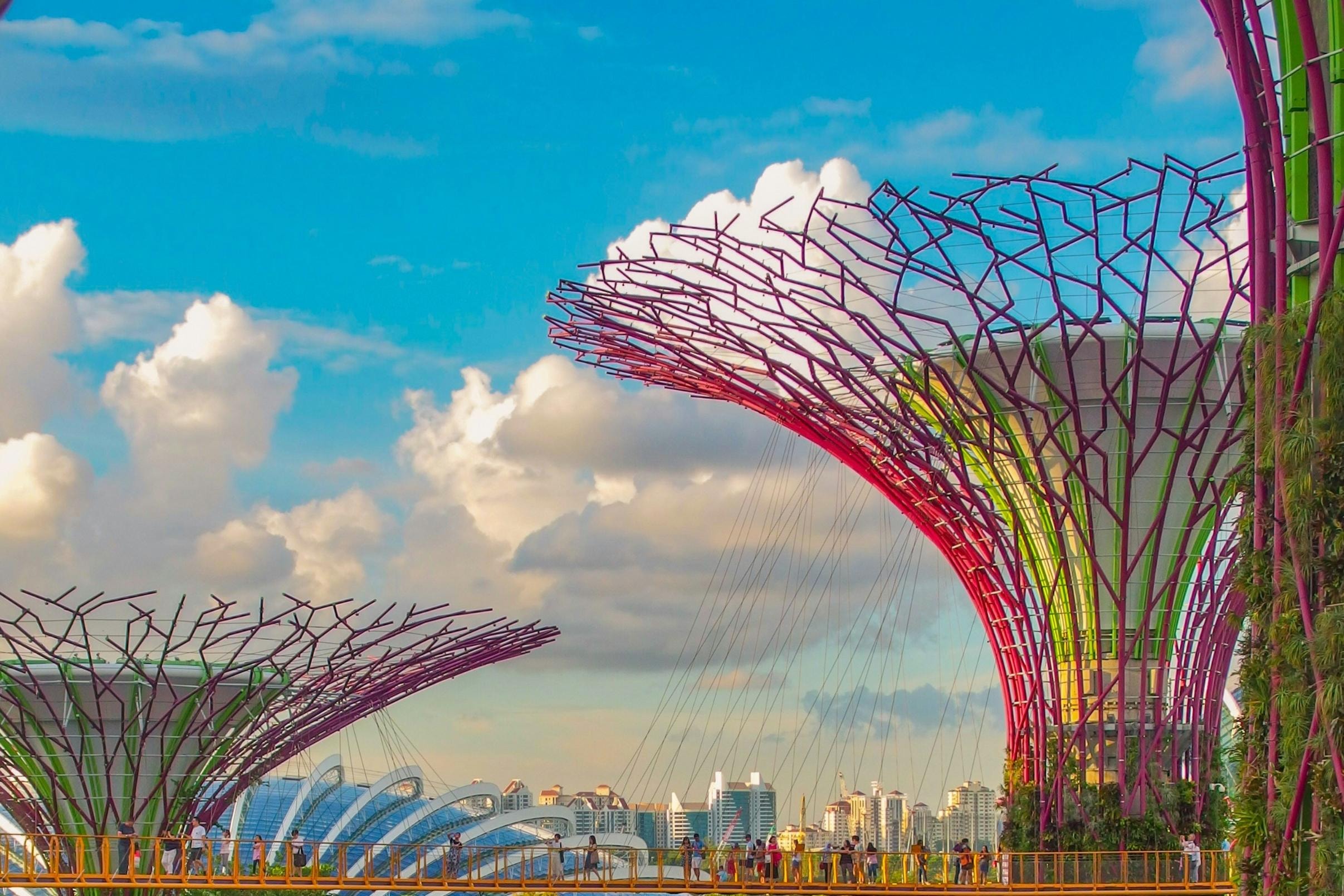
Most photographers visiting Singapore head to iconic spots like Marina Bay Sands or Gardens by the Bay, and understandably so; they are architectural marvels. However, for me, the true heart of the island beats within its wet markets. The air, thick with fresh produce, spices, and steamed buns, the vendors calling out specials, and the vibrant colors of chilies and exotic fruits create a sensory explosion and a treasure trove for capturing an authentic Singapore country photo.
Singapore’s traditional markets are vibrant, culturally rich hubs that draw visitors and photographers from across Southeast Asia. These markets are more than just places to shop; they are living museums of culture. Over the years, I’ve spent countless mornings wandering their aisles with my camera in hand. Here are some favorite Singapore traditional markets with tips to capture their unique energy through your lens.
1. Tiong Bahru Wet Market
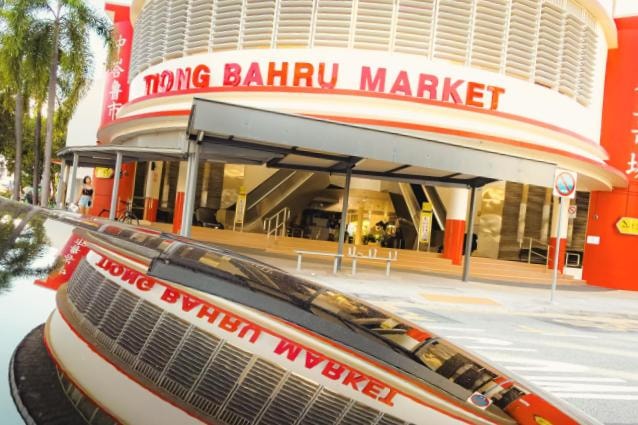
- Location: 30 Seng Poh Road, Singapore 168898
- The Atmosphere: Tiong Bahru Wet Market stands out as one of Singapore’s cleanest and most organized wet markets. Located beneath the iconic Tiong Bahru Market Food Centre, it beautifully blends old and new Singapore, where traditional shoppers and trendy cafe-goers share the space.
- Photo Tips: Visit around 8 AM on weekdays for soft natural light streaming through the open-air center. A 35mm or 50mm prime lens is ideal for capturing details like fish scales, butcher’s hands, and colorful flower stalls. The upstairs food court offers a unique vantage point to shoot down into the market.
2. Street Food and Little India Arcade in Tekka Centre
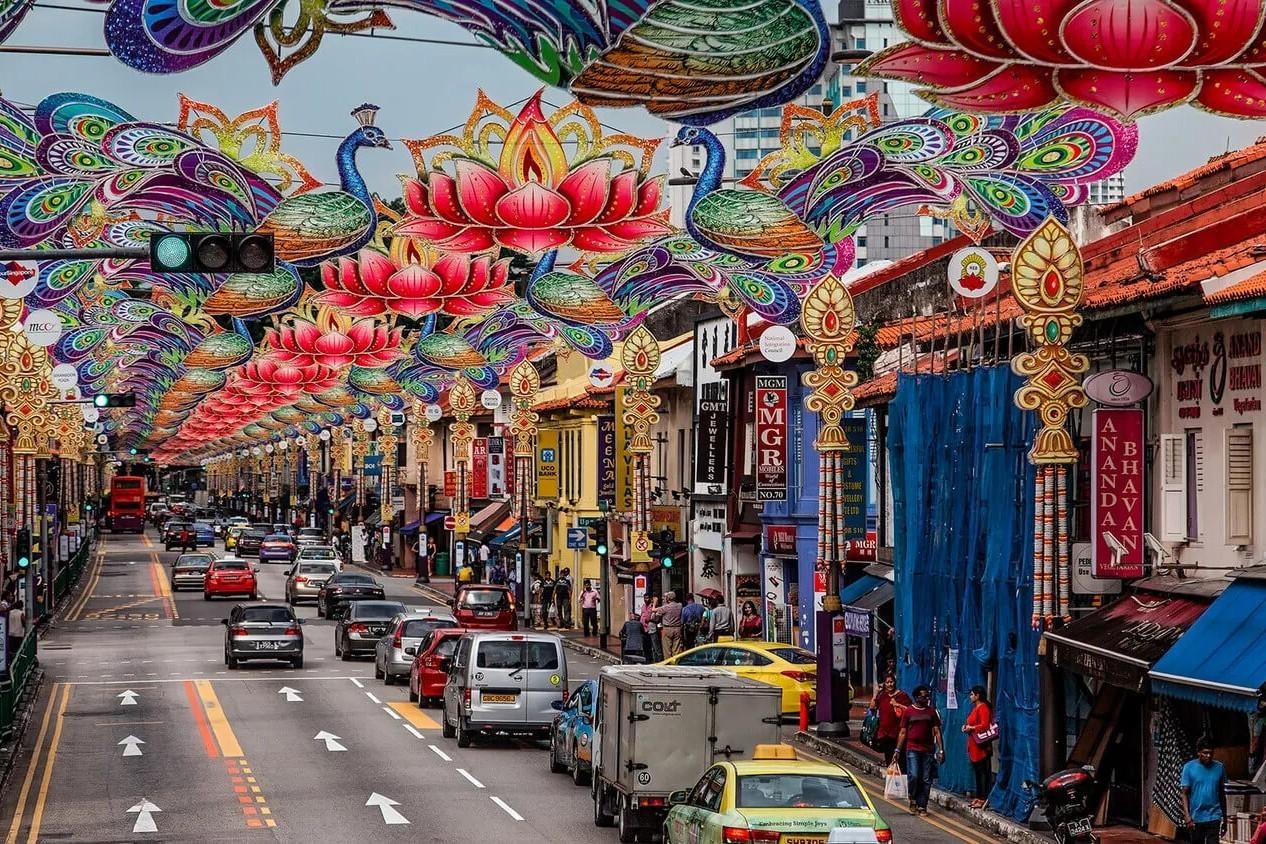
- Location: 665 Buffalo Road, Singapore 210665, in the heart of Little India and near Little India MRT station for easy access.
- The Atmosphere: Tekka Centre is lively, bustling, and vibrant, blending Indian and Chinese cultures. You’ll discover fresh goat meat, Indian spices, Chinese herbs, vegetables, and traditional Indian clothing and fabrics, offering a rich cultural shopping experience.
- Photo Tips: Arrive early, around 7:30 AM, to avoid the busiest crowds. A wide lens (24mm or 28mm) helps capture the bustling scenes. Mixed lighting can be challenging; shooting in black and white emphasizes textures and expressions. Always seek permission before photographing vendors, especially at butcher stalls.
The main dining area is on the ground floor, where you can enjoy a variety of cuisines, including halal food options. The nearest MRT station is Little India MRT station, making it convenient for visitors.
3. Chinese Culture in Chinatown Complex Wet Market
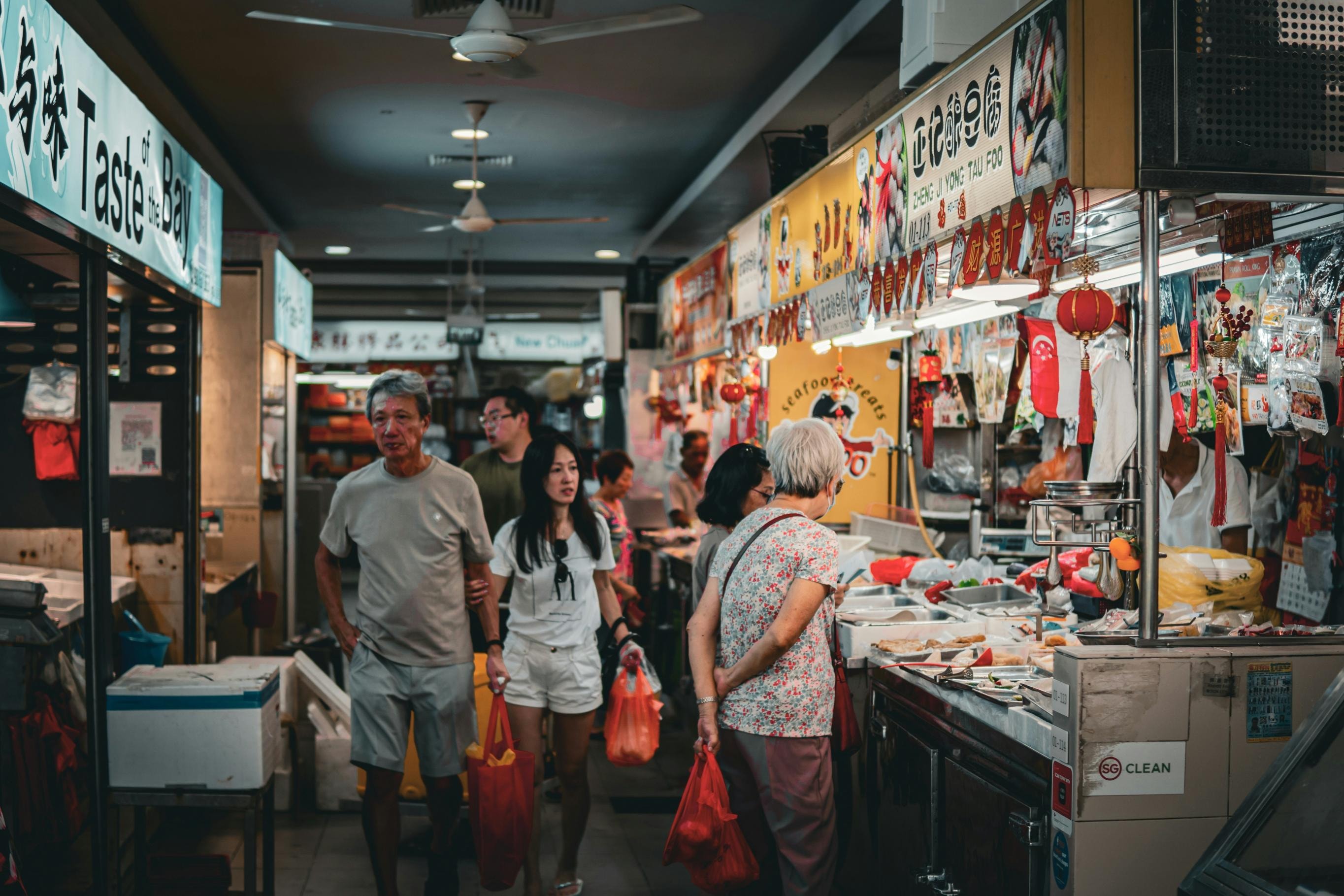
- Location: 335 Smith Street, Singapore 050335
- The Atmosphere: As one of Singapore’s largest traditional markets, located in the Chinatown Complex basement in Smith street, this sprawling labyrinth is adjacent to the vibrant Chinatown street market, known for affordable prices on t-shirts and unique souvenirs. Famous for fresh seafood, vendors sell live crabs and exotic sea creatures. The market’s nostalgic charm and raw energy embody the spirit of old Singapore.
- Photo Tips: Use a fast prime lens (f/1.8 or wider) for low-light shooting without flash. Focus on fishmongers cleaning fish, steam rising from noodle stalls, and lively shopper-vendor interactions. This setting is perfect for capturing the excitement of a shopping spree filled with diverse products and authentic motion and emotion.
4. Vintage Flea Market at Katong Square Lifestyle
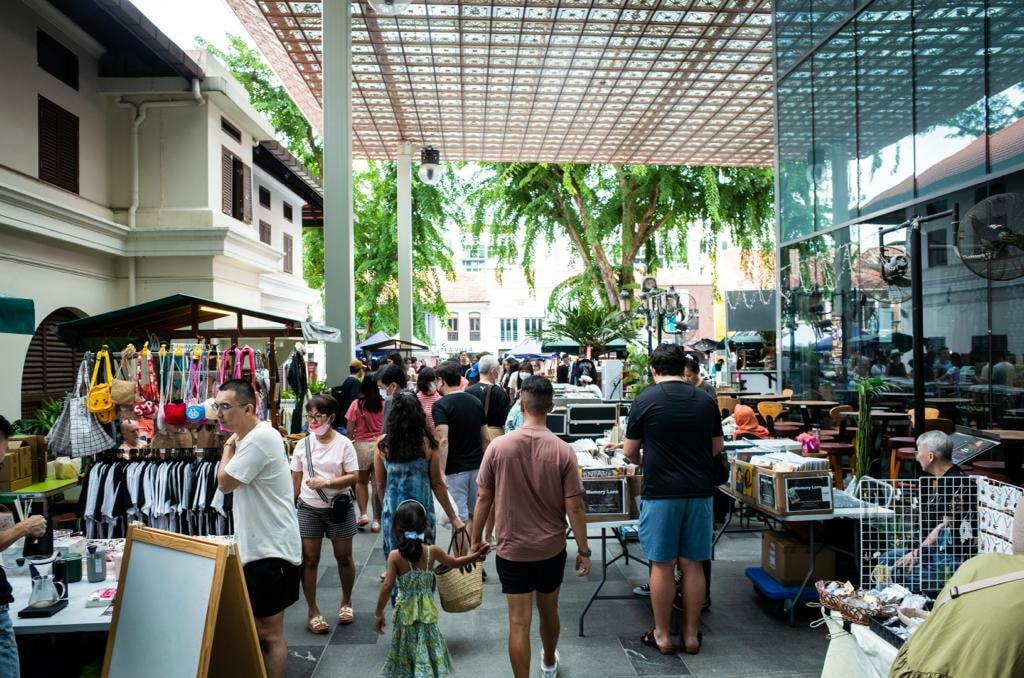
- Location: 88 East Coast Road, Singapore 423371
- The Atmosphere: This vibrant vintage market, also known as the Retro Factory, is a haven for vintage lovers and collectors. Situated in the lively Katong Square Lifestyle area, it features over 40 booths offering curated vintage goods, retro collectibles, and nostalgic treasures ranging from vinyl records and retro fashion to unique memorabilia. The market is notable for its selection of pre-loved fashion, with secondhand clothing and accessories available for those seeking sustainable and eclectic finds. The atmosphere is enhanced by live old-school DJs and local band performances, making it a perfect spot to hunt for hidden treasures while soaking in a nostalgic vibe.
- Photo Tips: Visit in the late afternoon when natural light enriches the colors of vintage items. Capture candid moments of shoppers rummaging through stalls and close-ups of intricate vintage jewellery or vinyl covers. The lively performances offer excellent opportunities for dynamic shots.
5. Night Markets in Singapore
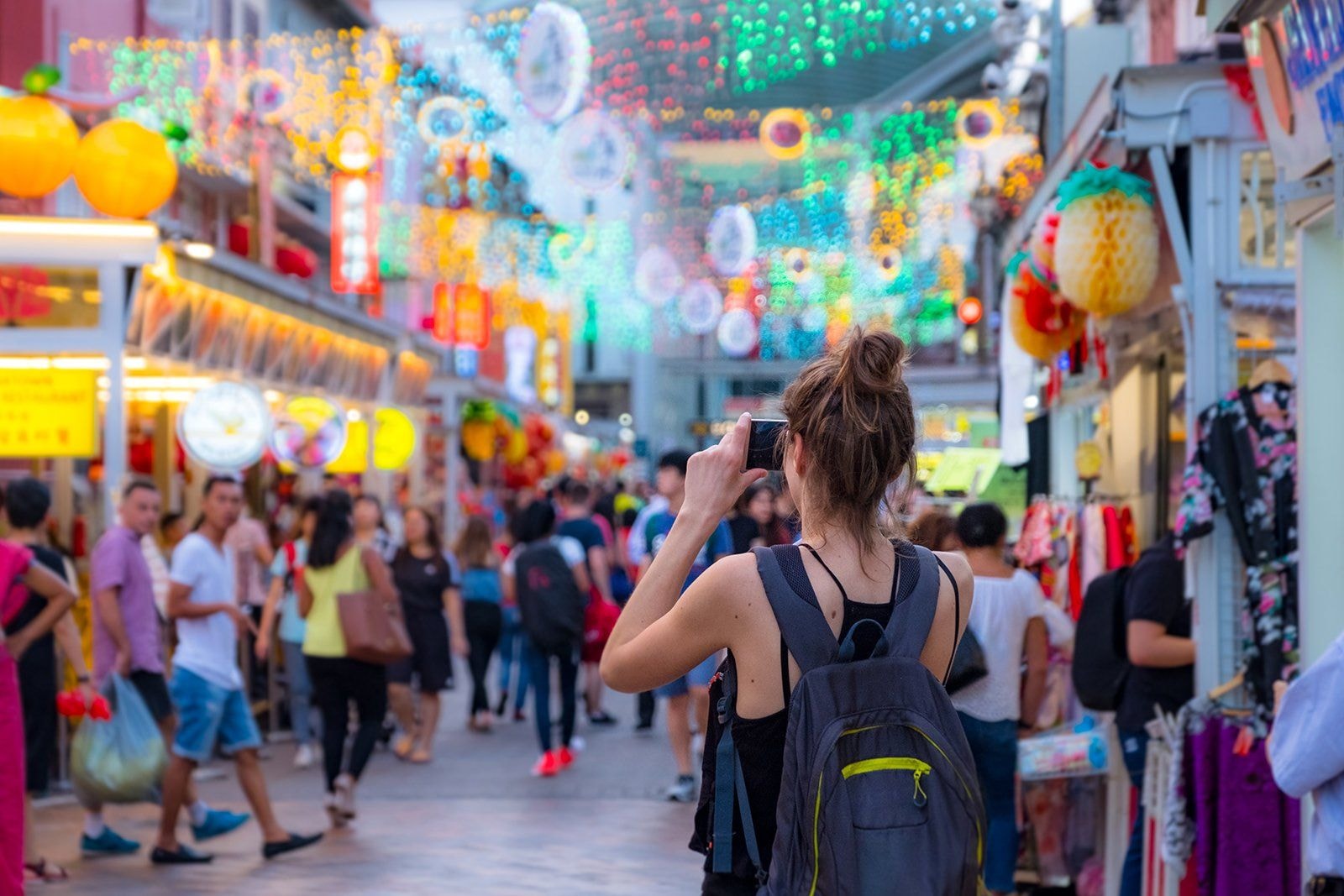
Singapore boasts a variety of night markets, each offering a vibrant atmosphere filled with street food, shopping, and local culture. These night markets rank among the most popular food markets in the city, providing a wide array of local delicacies. Notable night markets include Chinatown Food Street and Bugis Street Market, conveniently located near their respective MRT stations.
After dusk, these markets come alive with low prices on fashion items, souvenirs, and delicious food stalls serving local favorites like satay, dim sum, and laksa. Lau Pa Sat is a must-visit food market for an authentic Singaporean street food experience, where iconic satay vendors serve grilled meat skewers with peanut sauce, a highlight for food lovers.
- Photo Tips: A fast lens is essential to capture vibrant night scenes and colorful lights. Focus on street food vendors preparing dishes, bustling crowds, and neon-lit shop fronts to convey the lively night market vibe.
6. Weekend Markets and Makers Market
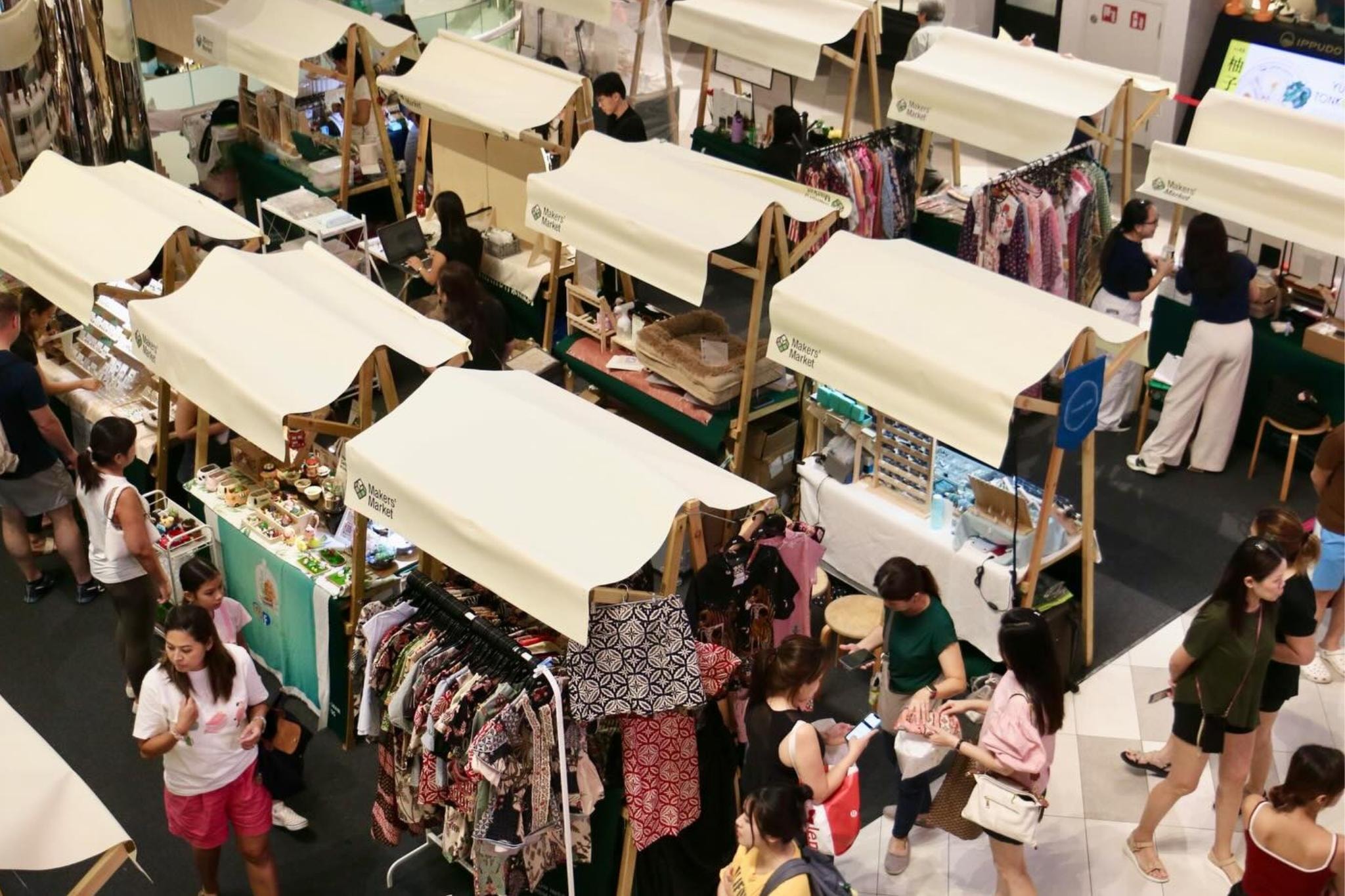
Weekend markets are an excellent way to explore Singapore’s local crafts and artisanal goods. The Makers Market, a popular craft market held at various locations including Punggol Coast and Suntec City, is part of the growing trend of weekend markets and pop up fairs in Singapore. These events showcase handmade jewellery, accessories, and unique crafts from independent brands and local creators.
Boutique fairs and boutique fairs Singapore feature curated collections from local and regional brands, offering a premium shopping experience. Many of these markets take place in public gardens, providing lively and accessible settings for shopping and socializing. Throughout the city, numerous pop ups and vibrant flea markets offer unique finds while supporting local artisans. These markets create a vibrant atmosphere where you can shop for one-of-a-kind items and enjoy delicious food options.
- Photo Tips: Capture the colorful stalls and interactions between makers and customers. Close-ups of handcrafted products and candid shots of shoppers enrich the storytelling.
7. Me You Market
- Location: Various venues across Singapore, often at Taste Orchard or similar locations.
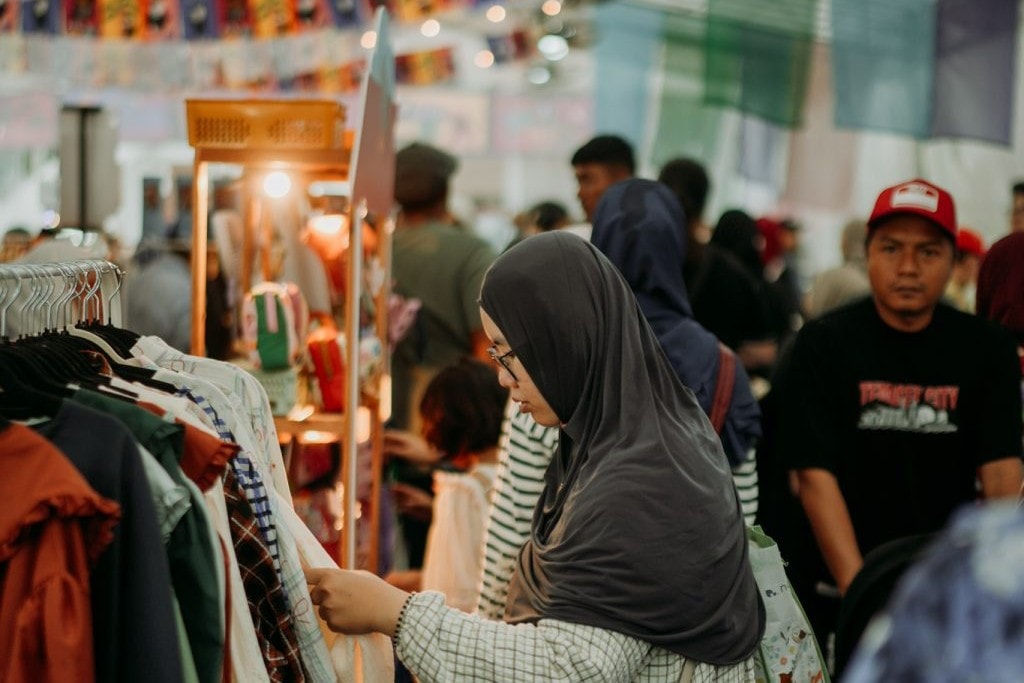
- The Atmosphere: Me You Market is a curated pop-up market featuring modest fashion, kids’ brands, and regional independent labels. It’s a family-friendly event focused on unique and sustainable fashion and lifestyle products, often accompanied by food stalls offering delicious treats. The market sometimes collaborates with events like One Soul Many Stories, a curated thrift market for pre-loved luxury fashion, bringing exclusive designer pieces and a vibrant thrift market atmosphere. Me You Market also occasionally hosts charity fashion initiatives, supporting local causes through fashion-focused events and fundraising activities.
- Photo Tips: Emphasize vibrant displays of fashion items and joyful interactions among families and vendors. Detail shots of fabric textures and accessories add depth to your photographs.
8. Mummys Market
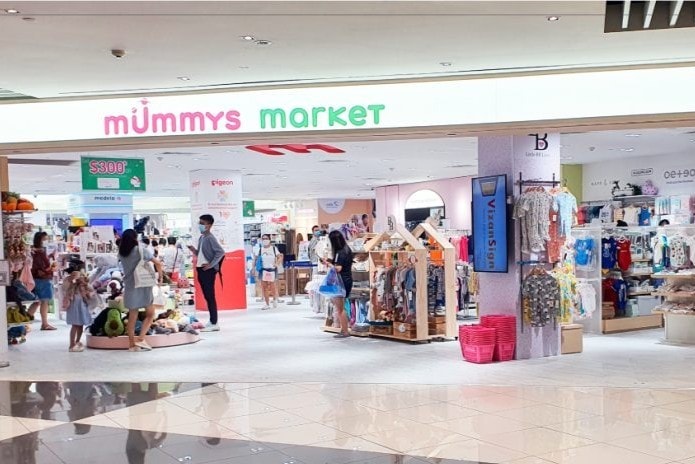
- Location: Singapore Expo, Hall 5; a major exhibition centre known for hosting large-scale events like Mummys Market.
- The Atmosphere: This massive baby and maternity fair in Singapore Expo is a must-visit for parents and parents-to-be. With over 250,000 brands represented, it offers everything from baby gear to clothing at unbeatable discounts. The market buzzes with families and exudes a warm, community-focused vibe. Similar fairs at exhibition centres sometimes feature charity fashion shows, such as Glamorous Giving, where fashionable shopping and runway events support charitable causes like Fashion For Cancer.
- Photo Tips: Capture the excitement and anticipation on parents’ faces, colorful displays of baby products, and the lively atmosphere of the fair. Use natural light where possible to keep images soft and inviting.
These additional markets, including upcoming flea markets and permanent flea markets, enrich Singapore’s diverse shopping and cultural scene, providing endless opportunities for capturing authentic Singapore country photographs filled with vibrant atmosphere, community spirit, and hidden treasures. From the colorful stalls at Little India Arcade near Little India MRT station to the unique finds at the Luggage Market and the vintage treasures at Katong Square Lifestyle, these are some of the best markets to explore.
Don’t miss the vibrant vibes at the Sentosa Festive Market along Palawan Beach Walk, the eclectic offerings at Cosford Container Park, or the lively thrifting scenes at the Hammock Market and *SCAPE POP. For fashion enthusiasts, charity fashion events held at the Suntec Singapore Convention Centre add meaningful shopping experiences. Explore the bustling Far East Plaza and the cultural richness of Arab Street, all easily accessible from Bugis MRT Station. These markets offer affordable prices and a treasure trove of experiences that truly capture the essence of Singapore’s vibrant market culture.
What These Markets Mean to Me
For me, photographing these markets is a way to preserve a piece of Singapore’s heritage. With every new supermarket that opens, these traditional markets feel increasingly precious. They serve as a direct link to our past and remain a vibrant part of our present. The photos I take here are not just about food; they are about community, heritage, and the hardworking people who are the lifeblood of our city. Each image tells a story of a transaction, a conversation, a daily ritual. This is the kind of Singapore country photo that reveals a deeper, more intimate story about who we are.
Capturing these places requires patience and an open heart, for some, an openness to walk down memory lane. It’s less about merely taking pictures and more about observing life. I encourage you to set your camera down occasionally, enjoy a cup of local kopi, and simply watch. The best photographic moments will reveal themselves when you connect with the rhythm of the place.
I hope this guide inspires you to explore these incredible markets. They offer a rich, authentic view of Singapore that you won’t find anywhere else. Go with curiosity, be respectful, and you will come away with images full of life and story.