
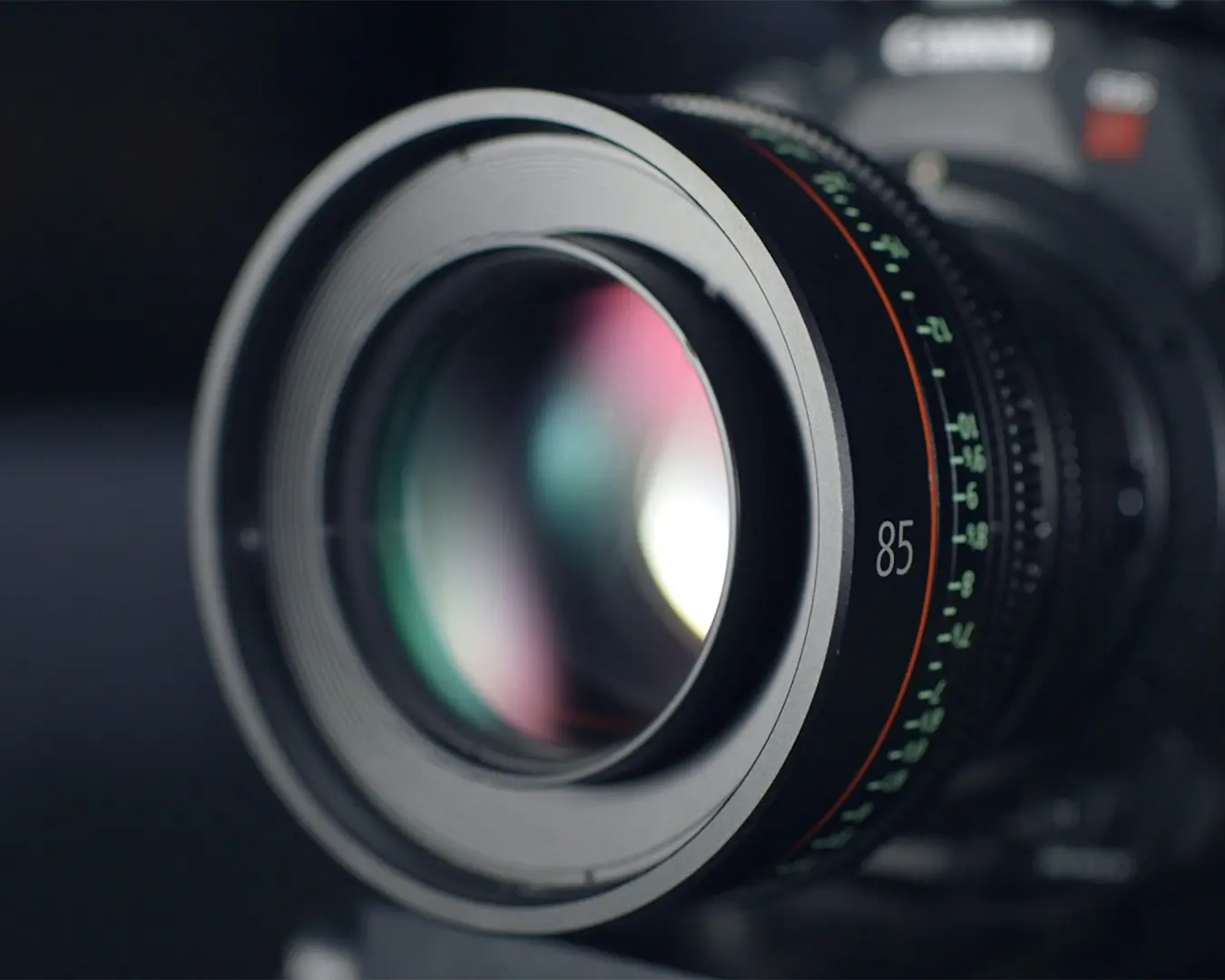
Singapore is loud before sunrise… not with traffic, not yet. It starts with fluorescent lights flickering on in hawker stalls, plastic chairs scraping concrete, and kettles hissing under HDB blocks while the city still pretends to sleep.
This is the hour I wait for.
Not because Singapore becomes empty-it rarely does-but because it becomes honest. Advertisements are still dim. Office towers have not fully awakened. Even the skyline feels softer in the half-light.
For city and landscape photographers, that softness matters more than people think.
Good photography is rarely about catching a place at peak activity. It is about learning when that place briefly lowers its guard. Singapore does this best at dawn and dusk, when the city pauses between identities. The camera notices what crowds erase.
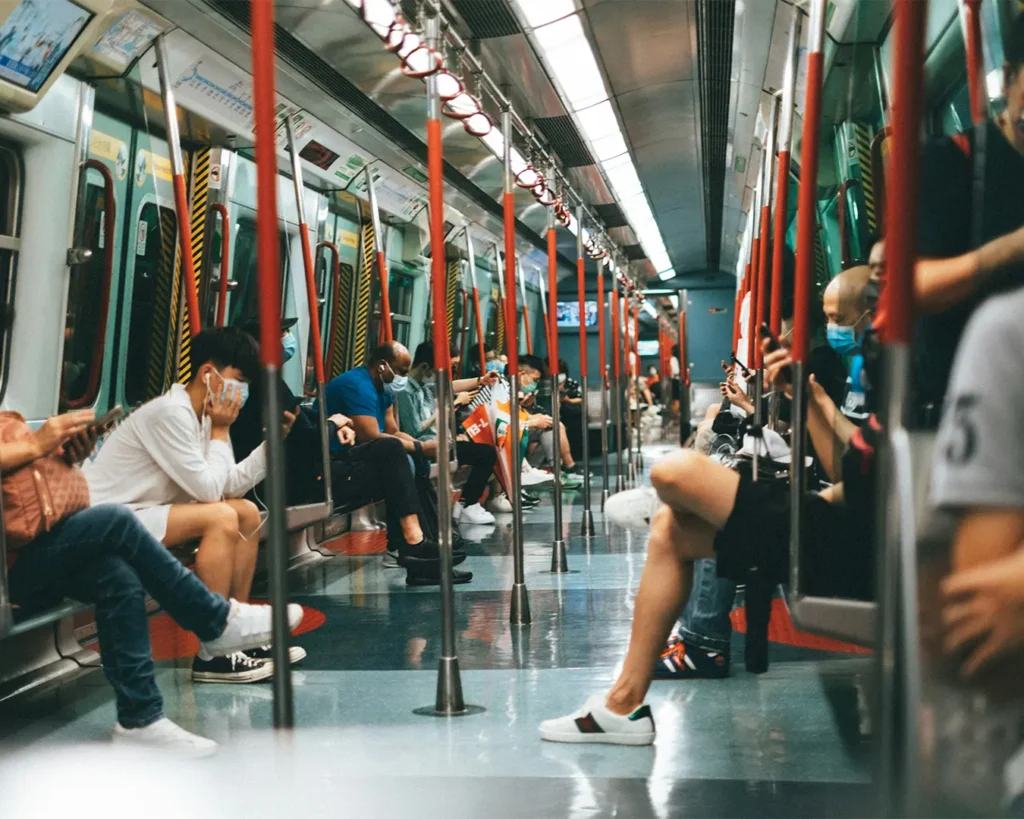
There is a mistake I see often in photographs of Singapore: everything looks too polished. The skyline is oversaturated. Reflections are sharpened beyond reality. Every frame tries to prove the city is futuristic, and in doing so forgets that Singapore is humid, textured, and deeply human. A technically perfect image can still feel emotionally empty.
I have stood beside photographers carrying expensive equipment who left with images that looked impressive but said nothing. They captured architecture without atmosphere; light without weight. Detail is easy to record. Presence is harder. That is why I keep returning before sunrise.
At dawn, the city loosens its grip on itself. Blue hour softens the edges of glass towers around Marina Bay. Taxi headlights stretch gently across damp roads. The financial district becomes quieter, less performative. The frame slows down.
And when the frame slows down, you begin noticing what Singapore hides during the day: condensation gathering on railings near the river, a cleaner washing tiled corridors before the first rush hour, the faint orange glow inside an MRT station before commuters arrive.
Small moments. Transient moments. The kinds of scenes that disappear once the city fully wakes.
Dusk feels different.
Morning photography is observation. Evening photography is release.
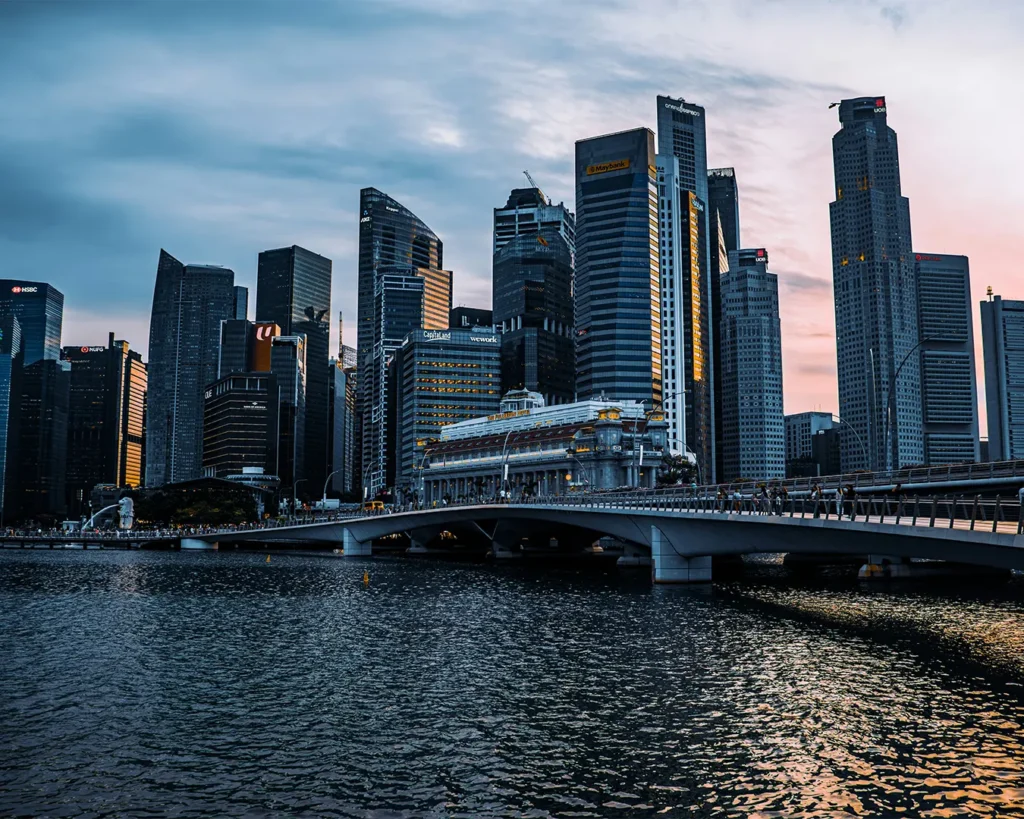
After sunset, Singapore exhales heat from its pavements. Office workers dissolve into train stations. Neon signs begin competing with sodium street lamps. Reflections appear everywhere-on bus windows, wet roads, polished tiles outside shopping centres. The city becomes layered.
This is when photography stops being documentation and starts becoming interpretation.
A slow shutter at dusk is not just a technical choice. It is emotional pacing. Leaving motion blur in a frame acknowledges that Singapore never truly stands still. Preserving shadow detail instead of crushing darkness lets atmosphere survive.
Technique matters, but technique should serve feeling, not overpower it.
I have never believed photography is about proving sharpness. Anyone can photograph a skyline. Not everyone can photograph stillness inside movement. Some of my favourite images from Singapore were made while waiting for nothing obvious: rain gathering under an overhead bridge in Bugis; a cyclist crossing an empty junction near Raffles Place before sunrise; amber light touching the walls of an old staircase in Tiong Bahru.
No landmark. No spectacle.
Just alignment between light, patience, and attention.
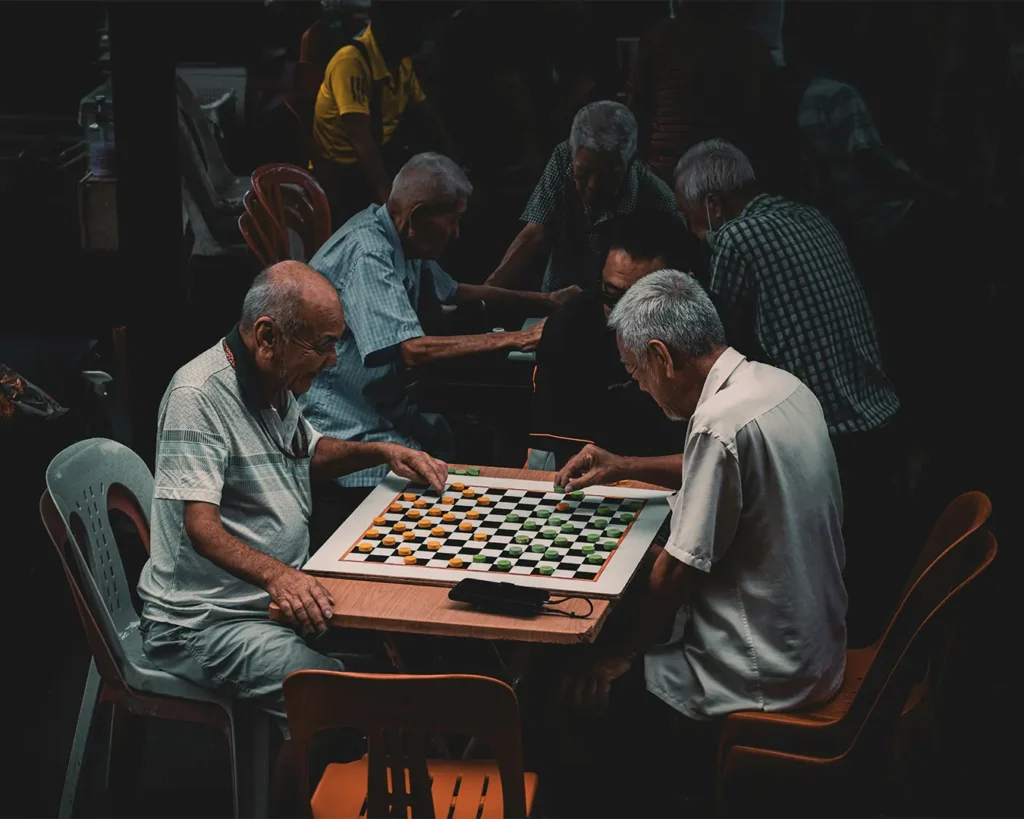
Singapore rewards photographers who are willing to linger. Many people assume Singapore reveals itself quickly because it is small and efficient. Visually, it unfolds slowly. You earn photographs here through repetition.
You revisit the same streets in different weather, different light, different moods. You learn which housing blocks catch first light in December, which alleys hold rainwater longest after storms, which pedestrian bridges vibrate slightly when buses pass underneath.
These are not tourist details. They are photographer details.
Gear matters less than patience during these hours. This is how you photograph Singapore.
Yes, a tripod helps when shutter speeds drop after sunset. Weather sealing matters when humidity thickens before rain. Wide lenses help Singapore’s density breathe in a frame. But none of those replace awareness. I would rather photograph with someone carrying an old camera who understands light than someone carrying flagship gear who photographs mechanically. Because city photography is not about collecting locations. It is about recognizing when a place briefly reveals character.
And character is fragile-especially in Singapore, where redevelopment arrives quickly and familiar corners disappear quietly beneath scaffolding. Coffee shops close. Signboards fade. Entire visual histories vanish within months. Photographing dawn and dusk becomes more than an aesthetic preference. It becomes preservation-not of landmarks, but of atmosphere.
There is a moment before sunrise when the sky shifts from deep blue to pale grey. It lasts only minutes. Birds begin moving before people do. Air-conditioning units hum louder because the streets are still quiet enough to hear them. The city feels suspended between sleep and routine.
That moment matters to me more than golden hour ever will.
Because photography, at its best, is not about chasing spectacle. It is about learning when to remain still long enough for the world to soften around you-until the city finally exhales.