
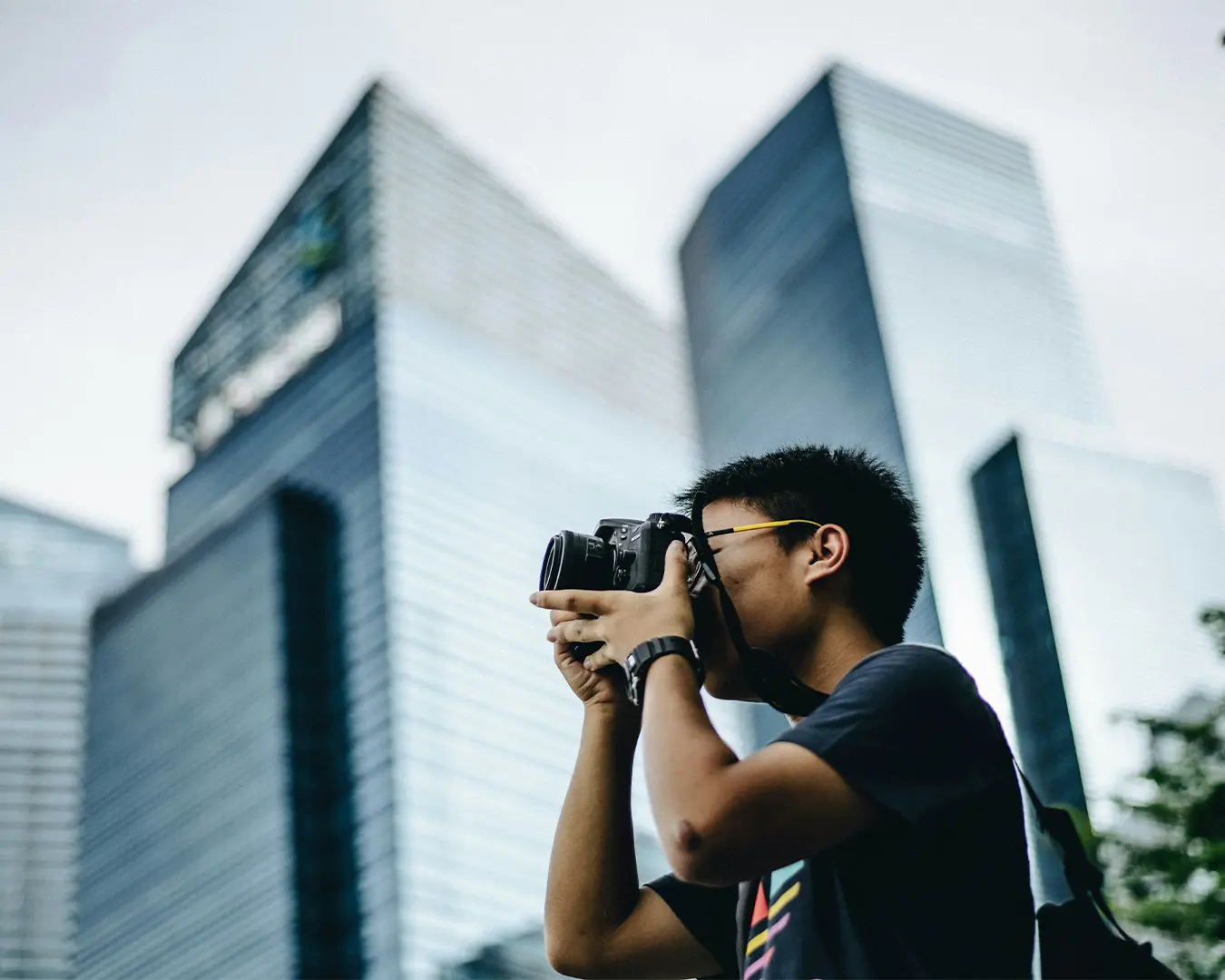
Street photography in Singapore teaches you one thing quickly: hesitation costs photographs.
Not because the city moves fast, although it does, but because meaningful moments rarely announce themselves before they vanish. A glance through an MRT window. Rainwater trembling beneath neon light. An uncle folding newspapers before sunrise. You either notice these moments immediately, or you lose them forever.
That impermanence is what keeps me returning to the streets. Not spectacle. Not perfection. Just the fragile timing of ordinary life.
Many people misunderstand street photography. They assume it is about reflexes alone—fast shutters, quick reactions, lucky timing. But patience matters more than speed. Good street photography is often slow observation disguised as instinct.
You stand in one place longer than most people would tolerate. You study how light moves across a corridor in Bugis. You wait beside a pedestrian crossing because shadows are slowly stretching toward the shape you imagined. You notice how commuters avoid puddles after rain, or how someone pauses briefly beneath fluorescent light before continuing home.
Then suddenly, for less than a second, everything aligns.
And disappears immediately after.
That is the photograph. I think, ah, good photography still matters.
Singapore is full of moments that almost vanish unnoticed. The city changes too quickly for permanence. Familiar signboards disappear. Old coffee shops close quietly. Entire streets soften beneath redevelopment before people realize they are gone. Street photography becomes less about landmarks and more about preserving atmosphere.
The condensation on kopi cups before office workers arrive. Plastic chairs stacked outside hawker stalls at closing time. The silence inside overhead bridges during afternoon rainstorms.
Small details. Temporary details.
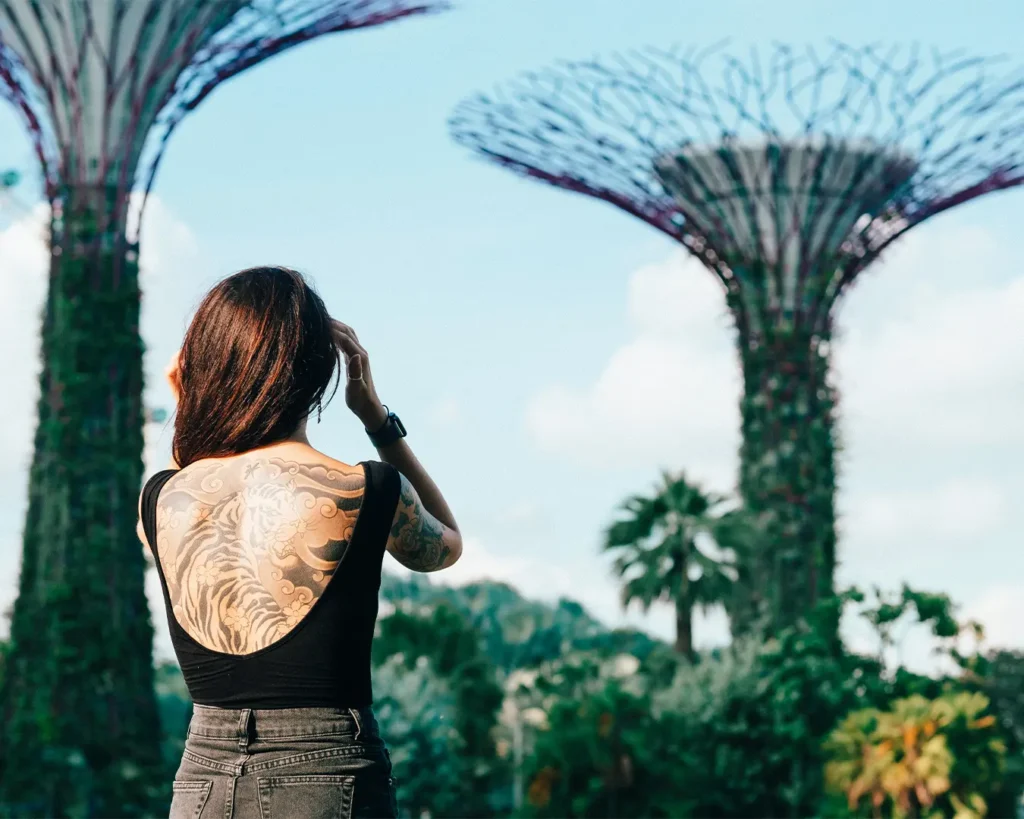
The kinds of things people only miss after they disappear. Timing matters because emotion in the street is unstable. A photograph taken one second too early feels incomplete. One second too late and the scene collapses entirely. The gesture changes. The rhythm inside the frame breaks apart. This is why patience becomes technical as much as emotional.
I have waited twenty minutes for someone to enter a patch of light correctly. Not because I wanted perfection, but because I wanted the frame to feel alive. Street photography is not simply arranging shapes inside a rectangle. It is recognizing tension, movement, hesitation, solitude. Human presence changes everything. Even absence can feel human in the right photograph.
I rarely think about gear while shooting anymore. The camera should disappear in your hands. If you are constantly adjusting equipment, you stop paying attention to atmosphere. Awareness matters more than specifications. Sometimes the strongest photographs happen in visually quiet places—a tired stairwell in Toa Payoh, reflections trembling on wet pavement in Chinatown, someone sitting alone beneath fluorescent lighting after midnight.
Nothing dramatic, yet emotionally precise.
Those are the images I trust. Because street photography, at its best, is not about freezing time. It is about acknowledging how quickly time leaves us. And sometimes, the photographs that matter most are the ones that almost disappeared before we noticed them at all.