
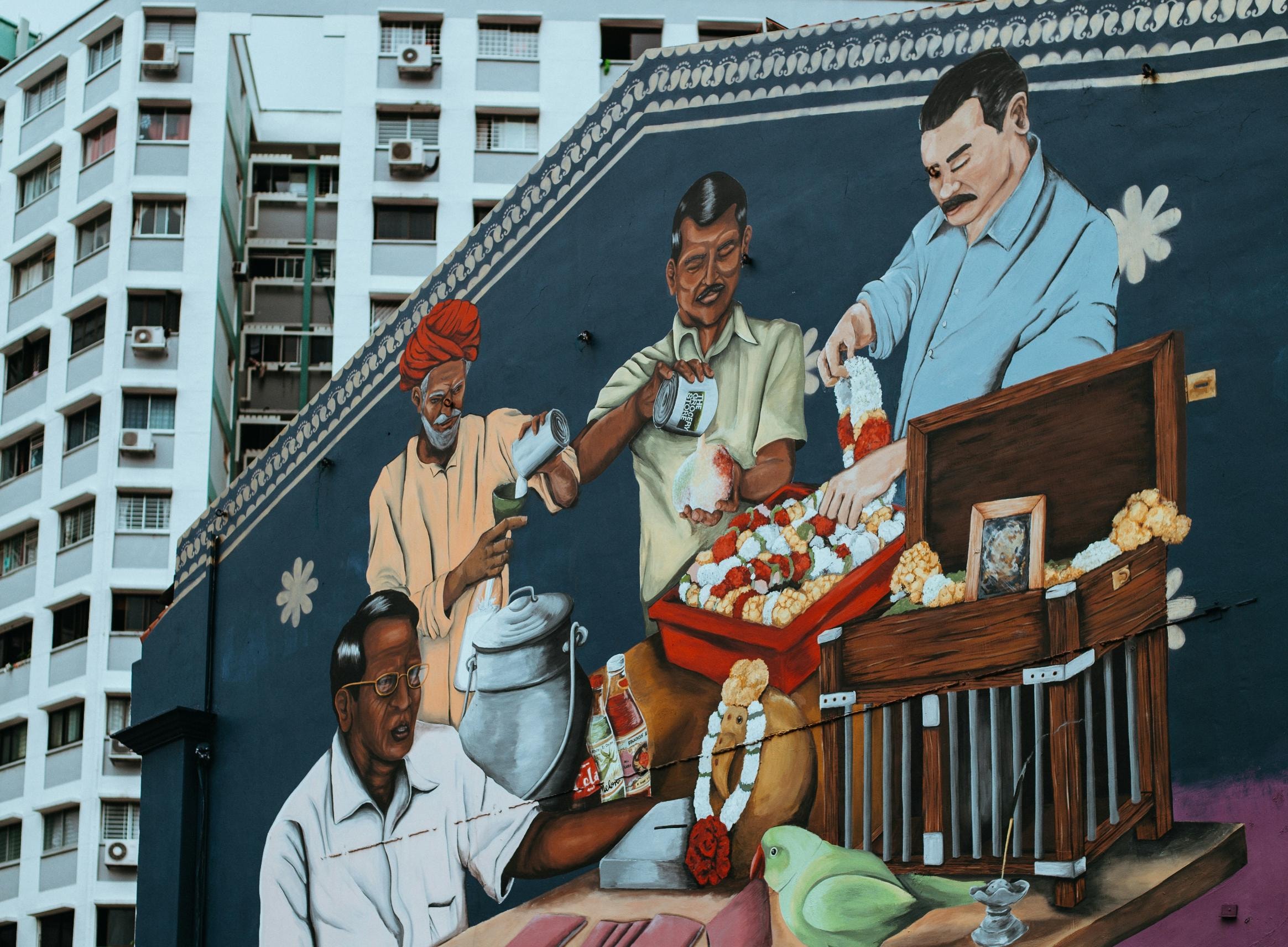
The air was thick with humidity as I navigated the labyrinth of back alleys behind Jalan Besar. It was that magical time, the golden hour, when the sun dips low and paints the city in hues of honey and amber. I was searching for nothing in particular, just letting my camera guide me, when a sound, a rhythmic thwack-thwack-thwack, cut through the urban hum. It led me to a small, unassuming workshop, its doors wide open to the cooling evening. Inside, an elderly man, his face a roadmap of deep-set lines, was striking a piece of metal with a hammer, his movements practiced and precise. I had stumbled upon one of Singapore’s last traditional blacksmiths.
This chance encounter was the beginning of a personal project, a journey to create Singapore photos that do more than just document; they aim to preserve a piece of our soul. In a city that relentlessly modernizes, these pockets of Singapore heritage are fading. Connecting with the past is essential, as these traditions are deeply rooted in Singapore’s history and form the foundation of our cultural identity. My goal became to capture the stories of these Singapore artisans before their crafts become mere memories, focusing on the lives, experiences, and traditions of the people behind these crafts. This is the story of one of those encounters, a deep dive into the world of a man who makes lion heads for traditional dance troupes, and how I tried to honor his legacy through my lens; a journey that offered a unique experience and deepened my connection to Singapore’s heritage.
The Search for the Lion Head Maker
Finding Mr. Chan was not easy. Unlike a cafe or a museum, his workshop had no sign, no online presence. Museums are designed to be accessible and welcoming to all, showcasing heritage and culture openly, while finding hidden artisans like Mr. Chan requires persistence and luck. It was through whispers in the community, a tip from an old uncle at a coffee shop, that I got a vague location: a small industrial park in Toa Payoh. For days, I walked the identical-looking blocks, asking around, feeling like I was searching for a mythical creature. The challenge itself became part of the story. It reinforced how hidden these Singapore traditions have become, tucked away from the main narrative of our gleaming city.
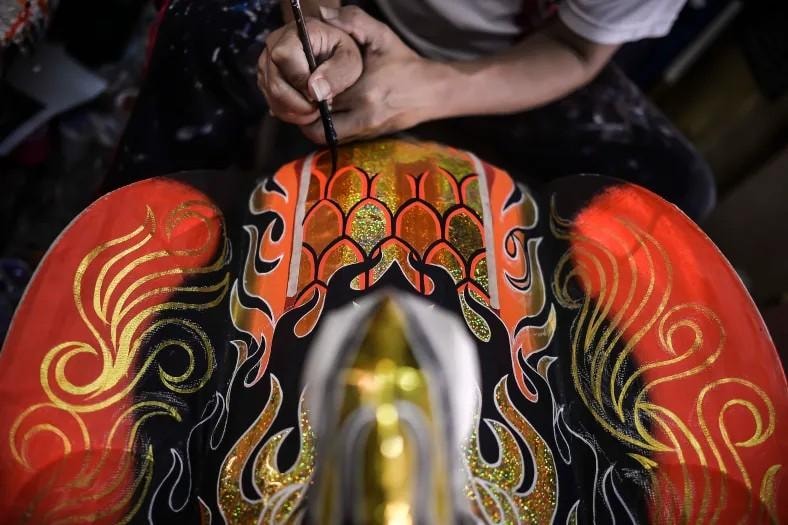
When I finally found the right unit, the door was slightly ajar. I peered in and saw a kaleidoscope of color. Dozens of lion heads, in various stages of completion, stared back at me with their wide, expressive eyes. The air smelled of paper, glue, and paint. Mr. Chan, a man probably in his late 70s, sat on a low stool, delicately applying fur to a frame. He barely looked up. Each visit to his workshop revealed new aspects of the craft and deepened my appreciation for the tradition. For the first hour, I did not even lift my camera. I just watched. This is my first and most important tip for this kind of photography: earn your place. Be a quiet observer before you become a photographer.
Building Trust and Capturing the Story
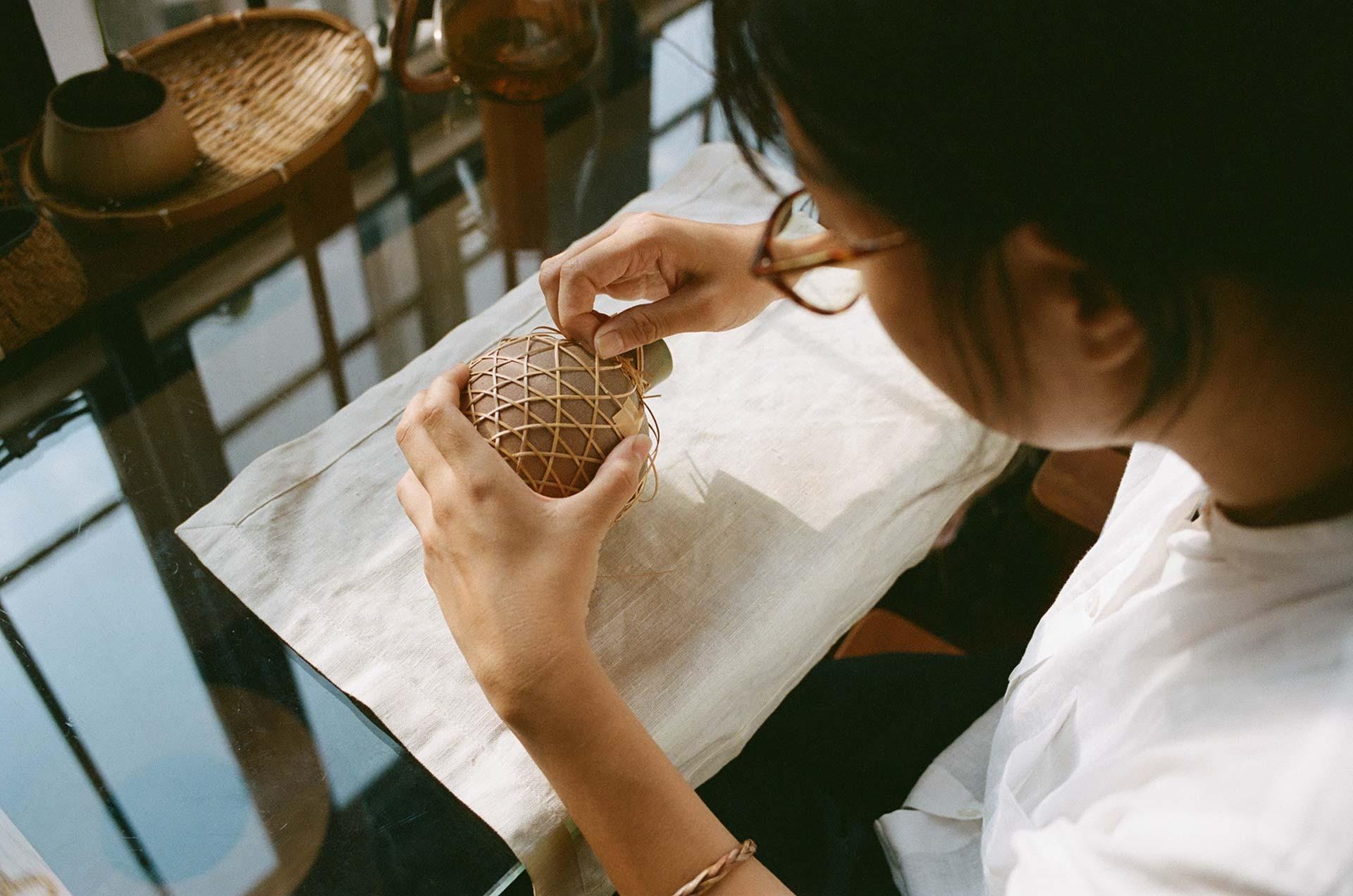
I returned the next day, and the day after that, always with a simple greeting and a quiet respect for his space. On the third day, I brought a small packet of kopi and some snacks. He finally gestured for me to sit. We spoke, not so much in long conversations, but in shared moments of silence and simple questions. I learned that he had been making these lion heads for over fifty years, a craft passed down from his father. Like many traditional artisans, he often worked with a small team of family members to keep the craft alive.
Only then did I ask if I could take some photographs. He just nodded, and turned back to his work. This was not a portrait session; this was me being a fly on the wall. The challenge was the light. His workshop was lit by a few harsh fluorescent tubes, casting a greenish, unflattering glow. This is common in these older spaces. Instead of fighting it, I decided to embrace it. I used the harsh light to create drama, to carve out the textures of his workshop. The stacks of bamboo frames, the pots of paint, the dusty floor, they were all part of his story.
I shot mostly with a 50mm f/1.4 prime lens. This lens was perfect for several reasons. It allowed me to isolate details, like the fine brushstrokes on a lion’s eyelid, and create a beautiful separation between Mr. Chan and his cluttered background. The wide f/1.4 aperture was crucial for gathering as much light as possible, letting me keep my ISO from getting too high and preserving the moody atmosphere without introducing too much grain.
One of the most powerful Singapore photos I took was not of his face, but of his hands. They were covered in dried glue and flecks of paint, the nails stained. These hands told the story of his life’s work more eloquently than any portrait could. I waited for a moment when the light from the doorway caught them just right, highlighting every crease and callus. To me, that single image embodies the dedication and sacrifice of Singapore artisans. Supporting initiatives that help preserve these traditional crafts and stories is essential for keeping this heritage alive.
Overcoming Unexpected Hurdles
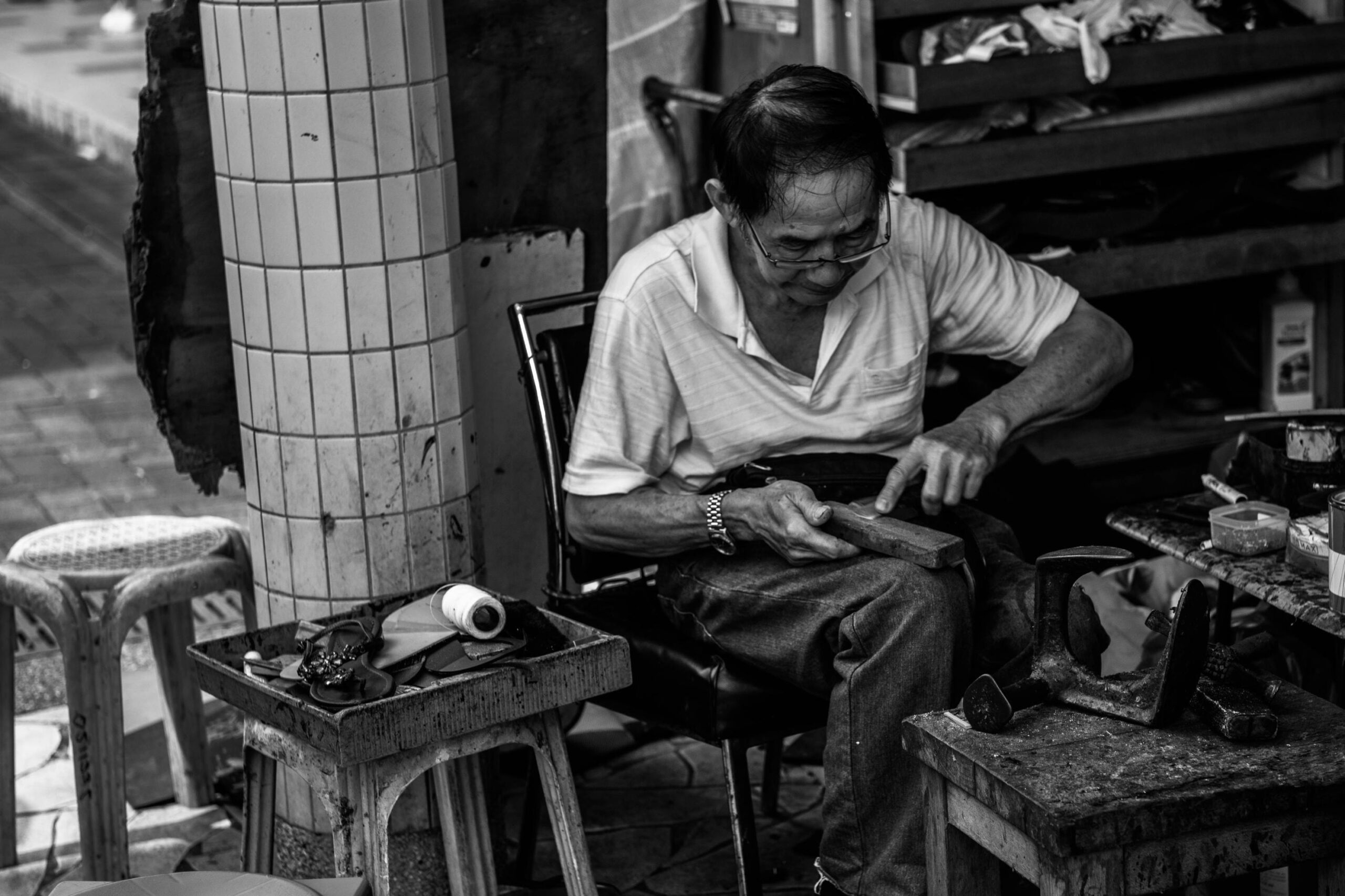
A major challenge was the sheer density of the space. It was organized chaos. Every angle I chose had distracting elements in the background. My solution was to use a shallow depth of field to my advantage, turning the background clutter into abstract patterns of color and light. I also looked for “frames within a frame.” I would shoot through the bamboo skeleton of an unfinished lion head, using it to frame Mr. Chan at work. This added depth and context to the images, making them more than just simple documentary shots.
The process taught me that storytelling in photography is often about subtraction, about what you choose to leave out of the frame as much as what you include. It is about finding the one detail, the one gesture, that encapsulates the entire narrative.
Note: I know that this is exciting for us to visit the past and be more in touch with out heritage; but here’s a reminder that visiting heritage sites or shops that showcases artisans can also lure tourists into a scam. While it is known that the country is strict and straight with such crimes, it’s also important to remember that heritage websites or appointments would not be asking for your bank log in details or ask you to transfer money that are would be too much for your reservation. If you are unsure about a website or anything with your primary planning, it is safer to find another place or walk in.
The Final Image and What It Represents for Heritage
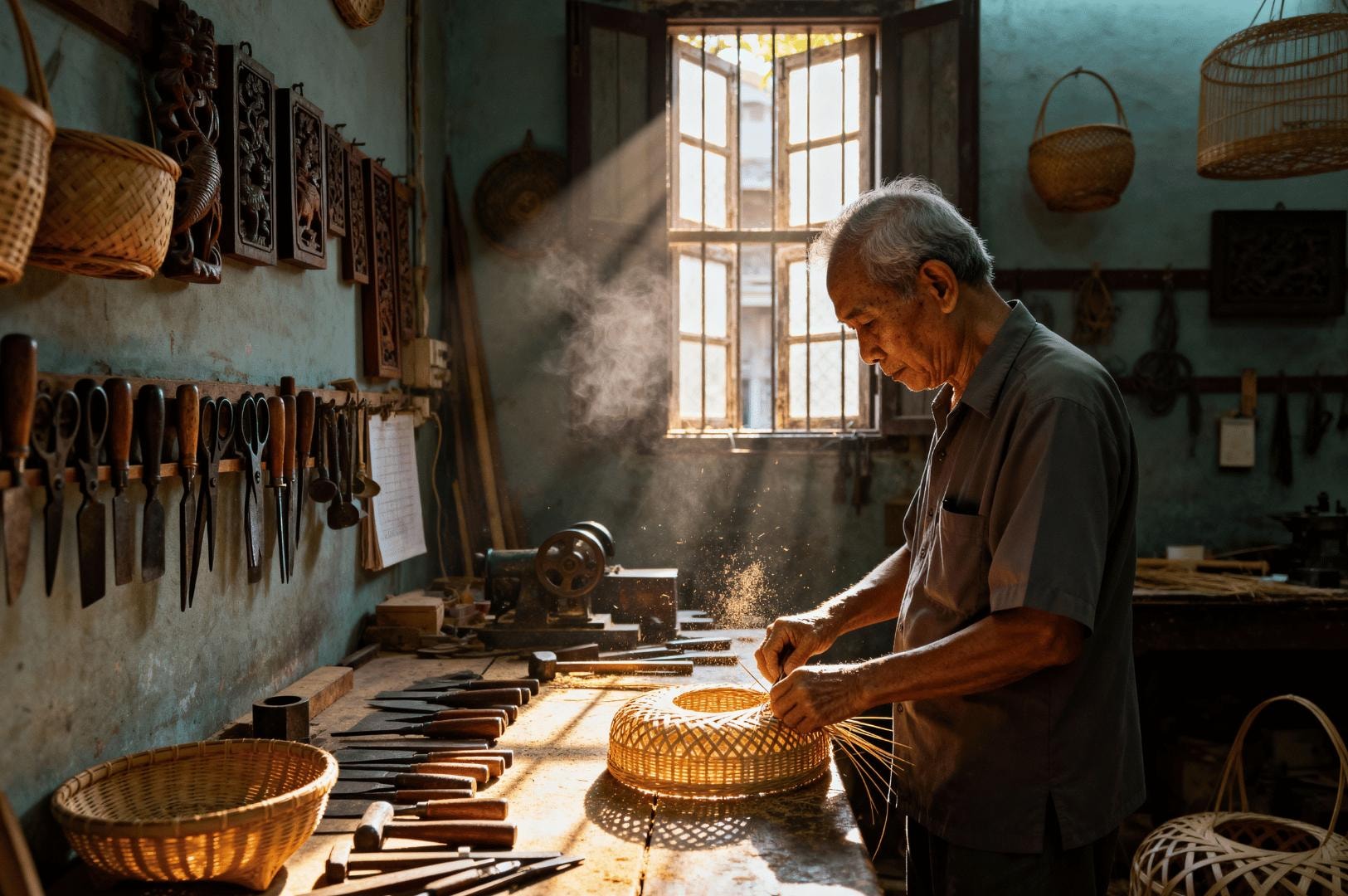
After several visits, I felt I had a collection of images that told a cohesive story. The editing process was minimal. I corrected the white balance to neutralize the green tint of the fluorescent lights but kept the shadows deep to retain the mood. I wanted the Singapore photos to feel honest and unvarnished, just like the man and his craft.
This journey was more than just a photo expedition. It was a profound lesson in patience, respect, and the art of observation. It reminded me that the most powerful stories are often found in the quietest corners, away from the noise and glitter. These heritage artisans are the keepers of our city’s soul, and we have a responsibility to see them, to listen to them, and to preserve their legacy.
Photographing these Singapore heritage sites and their guardians is a privilege. It requires more than technical skill; it demands empathy and a genuine curiosity. My hope is that these images inspire others to look closer, to venture down that back alley, and to discover the stories that are waiting to be told. If you have found such a place, I would love to hear about it. Use your phone to take photos and share your own heritage discoveries; your perspective matters. Our collective effort can create a visual archive of the traditions that shaped us. You can see more of these stories from my journey in my travel photography portfolio.