
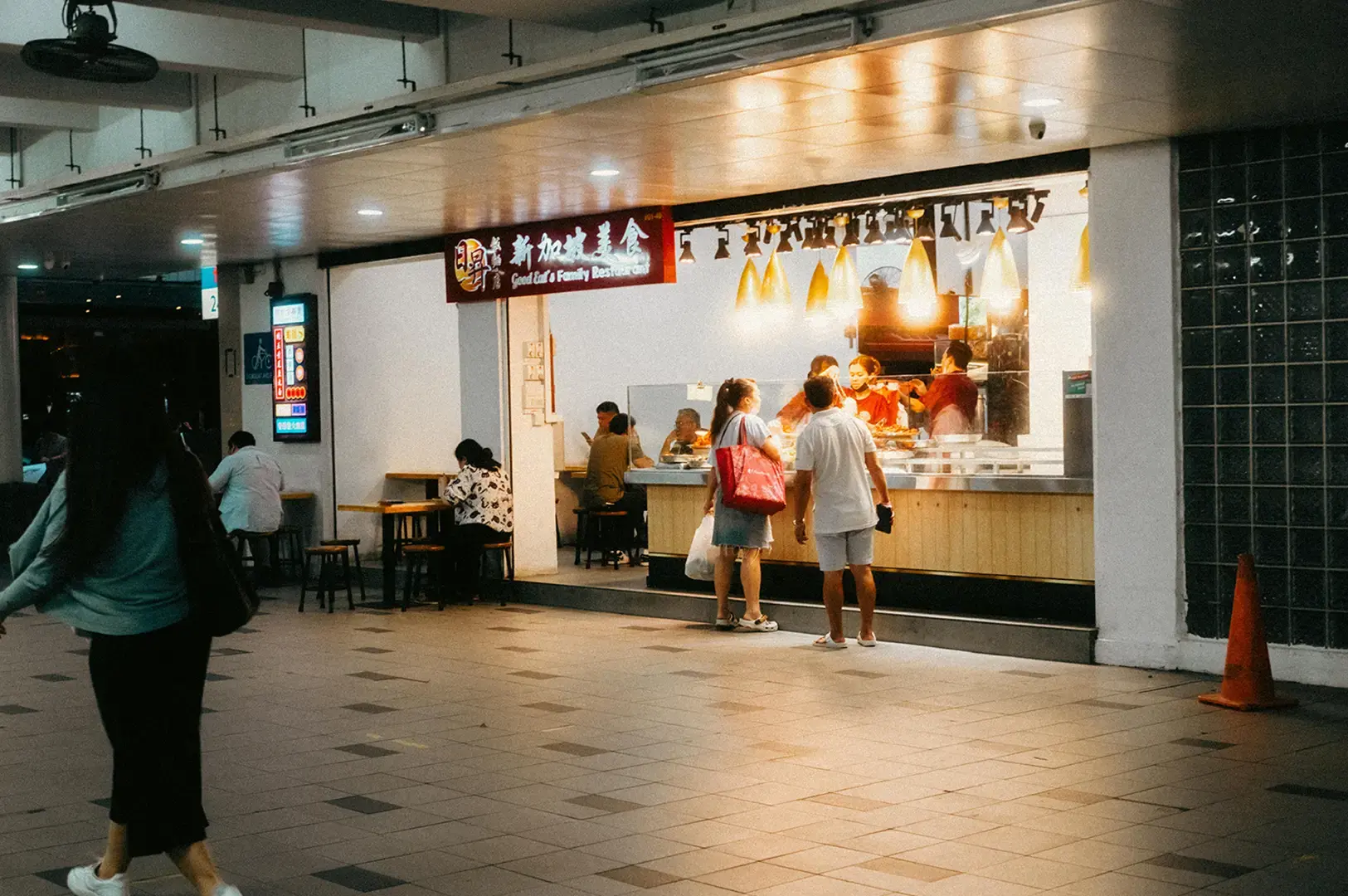
It was a Tuesday morning at Old Airport Road Food Centre, one of the favourite photo spots for street photography in Singapore. I’d gone there to shoot char kway teow, the usual glistening plate, the wok hei, the kind of picture most tourists and photographers take, the kind the world wanted to see. But my noodles were still cooking, so I sat down and just watched. An old uncle two stalls over was wiping down his counter with a cloth so worn it had gone soft and grey. Steam curled up behind him. A shaft of morning light came through the open side of the building and landed right on his hands.
I lifted my camera and took one frame. No zoom. No fuss.
That photo still hangs in my mind more clearly than any plate of noodles I’ve shot since. It taught me the thing I keep coming back to: hawker photography isn’t really about the food. It’s about the people, the labour, and the rhythm of a place that Singapore, a big city in Southeast Asia, rightly treasures. Our hawker culture was inscribed on UNESCO’s Representative List of Intangible Cultural Heritage in 2020 in multiple locations, and the National Heritage Board calls hawker centres our “community dining rooms.” When you photograph them, you’re documenting how Singapore lives, not just what it eats.
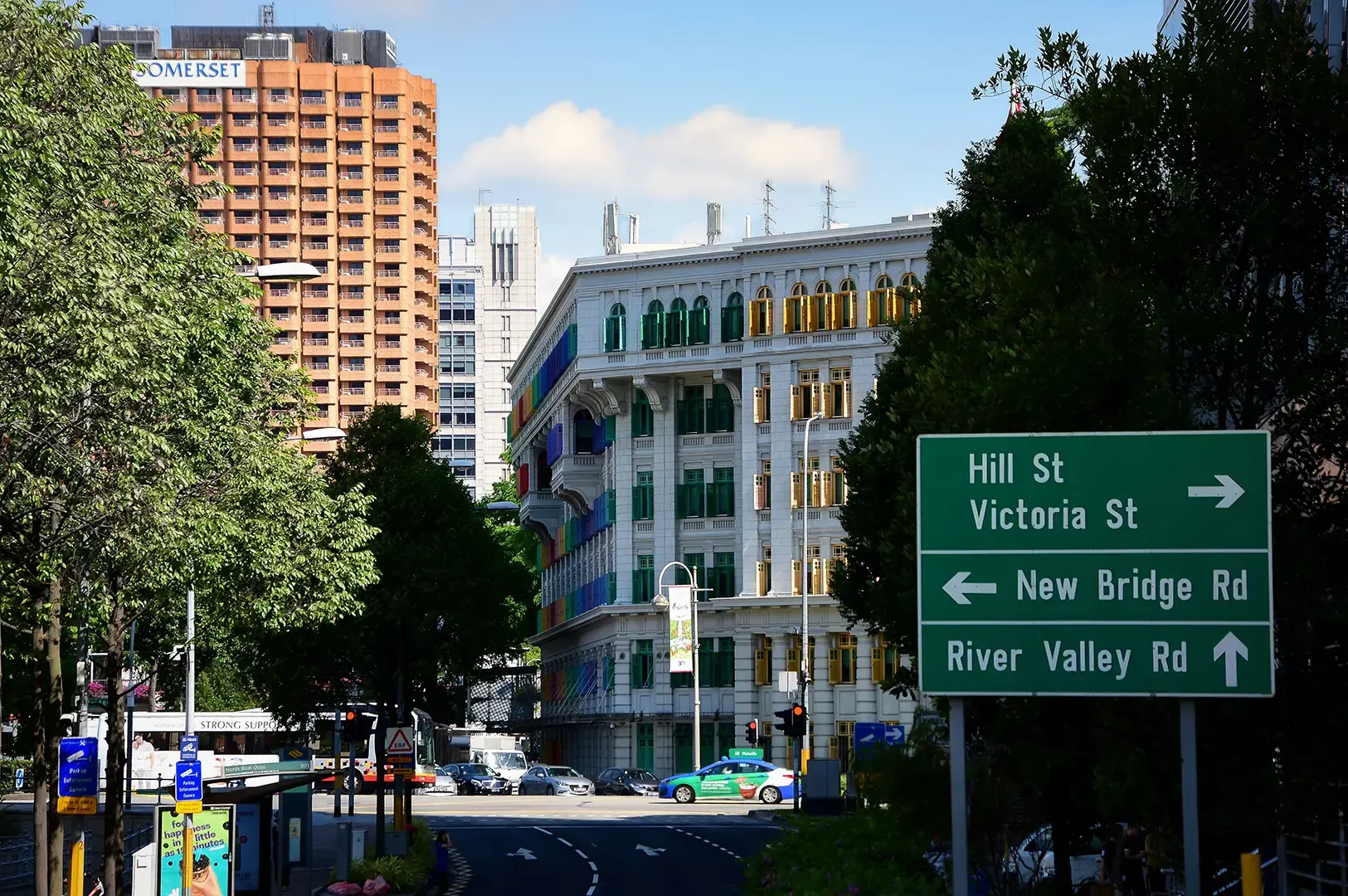
First, Let’s Talk About Permission Near Hill Street Police Station
This is the question I get most: can I photograph a hawker without asking?
Here’s my honest take. Photographing everyday activity in a public hawker centre is different from staging a portrait. The more prominent and identifiable a person becomes in your frame, the more considerate it is to ask. If you’re shooting a hawker’s face, a tight close-up of their hands, or a scene where someone is clearly the subject — ask.
A simple “Hi, can I take a photo while you’re working?” goes a long way. I’ve found people say yes far more often than beginners expect.
For quieter, documentary-style work, environmental photographs — where people are part of the scene rather than the focus — feel much less intrusive.
One legal note worth knowing: Singapore prohibits unauthorised photography of designated Protected Areas and Protected Places. Hawker centres aren’t those, but watch for signage anywhere and never assume every public-looking spot is fair game.
Insider knowledge
The worst time to approach a hawker is mid-rush and peak hours, when a queue is forming, oil is spitting in the wok, or food is being handed over. Wait for the natural pause. There’s always one. The goal is to photograph the work without interrupting the work.
Timing Changes Everything at Marina Bay and Beyond
Different hours give you completely different stories and great photo opportunities. This is just my personal preference and experience, it would be much better to allot an extra time depending on your goal. Enough time is important~
- 7–9am is my favourite for slow, gentle documentary work. Kopi, breakfast crowds, elderly regulars reading the newspaper, stalls easing into their opening routines.
- 10–11:30am is the sweet spot for beginners. Stalls are active and preparing, but you’re spared the full force of the lunch crowd.
- 12–2pm is the rush — queues, speed, office workers, hawkers moving fast. Incredible energy, but this is exactly when you should be least intrusive.
- 2–5pm is the lull, and it reveals a quieter side of the trade. Just know some stalls close or sell out by then, so don’t count on every one being open.
- Evenings bring artificial light, steam, and dinner crowds — lovely if you enjoy low-light photography or night shots.
My Shooting Process
This is my year round (except if a new trend arises) rhythm I follow every time I’m taking photos in Singapore’s hawker centres, but it applies to other photo spots and street photography locations too.
- Choose one hawker centre. Don’t try to hit five in an afternoon. Pick one and give it 60–120 minutes. Somewhere with a visual identity that genuinely interests you.
- Walk through once without shooting. I know the urge to raise the camera immediately. Resist it. Notice where the light falls, which stalls have open kitchens, where queues form, where steam catches the light. You’re learning the rhythm before inserting yourself into it as locals.
- Buy something. A hawker centre isn’t your free studio or a hotel. A meal usually runs S$4–8, drinks around S$1.50–3. That small spend is your access fee and your excuse to sit and observe.
- Start wide. Make your first frame an establishing shot — stall, signage, architecture, customers. Don’t zoom straight into a bowl of noodles. The wide frame tells us where the story lives.
- Move closer gradually. Now hunt for details: hands, ladles, steam, wok flames, rice being scooped, a receipt changing hands. These often make stronger images than a static portrait.
- Watch for gestures. Anticipate, don’t just react. A hawker leaning into the wok, a hand passing a bowl, a family sharing dishes. The best photographs are about human action.
- Ask before a close portrait. Introduce yourself. Say you’re documenting hawker culture. Then ask. If they say no, smile and move on — that interaction is part of street photography too.
Pro tip
Try the wok → hands → steam → plate → customer sequence at a single stall. That progression alone tells a complete story, and it forces you past the lazy overhead food shot.
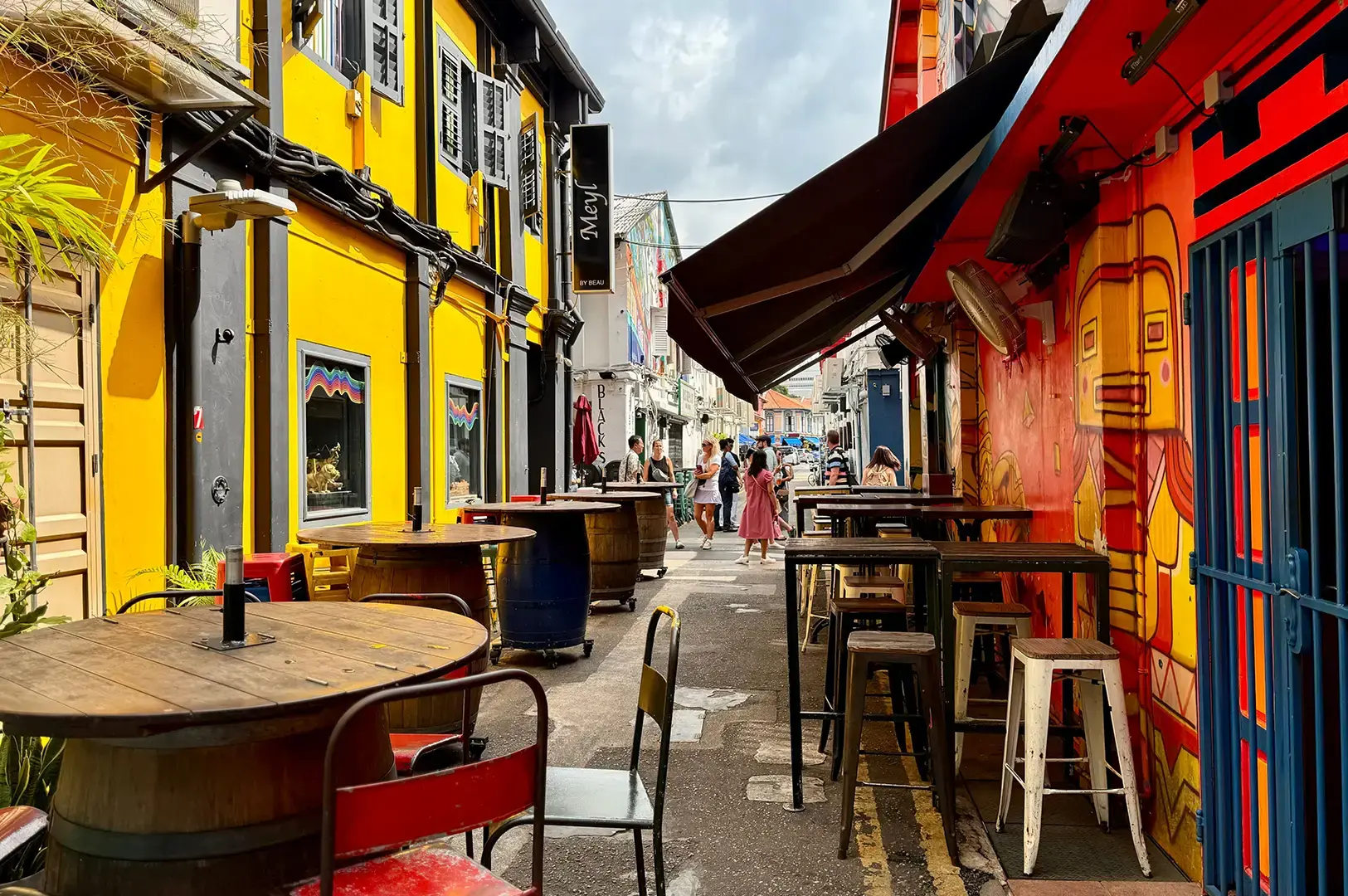
The Gear (Keep It Small) for Shooting Near Arab Street and Haji Lane
You do not need an expensive camera, you just need the right gears.
Honestly, a phone is often better here. It’s small, quiet, and fast, and it doesn’t make you conspicuous in a cramped aisle. On a phone, I’d use 1x for environmental scenes, 2x or 3x for tighter details, and burst mode for fast preparation. Add a little exposure compensation when bright signs confuse the meter. Avoid heavy digital zoom. I suggest that you should bring a tripod, it can be handy.
If you shoot with a camera, a small mirrorless body with one lens beats a big professional rig every time. Rough focal-length guide:
- 24–28mm — environmental scenes, great for capturing hawker centres and other ground level photo spots in Singapore.
- 35mm — documentary storytelling (my go-to)
- 50mm — people and food
- 85mm — details and portraits from a respectful distance
For moving hawkers, keep your shutter around 1/250s or faster. And don’t obsess over ISO — a sharp, atmospheric ISO 3200 frame beats a blurry ISO 400 one every time.
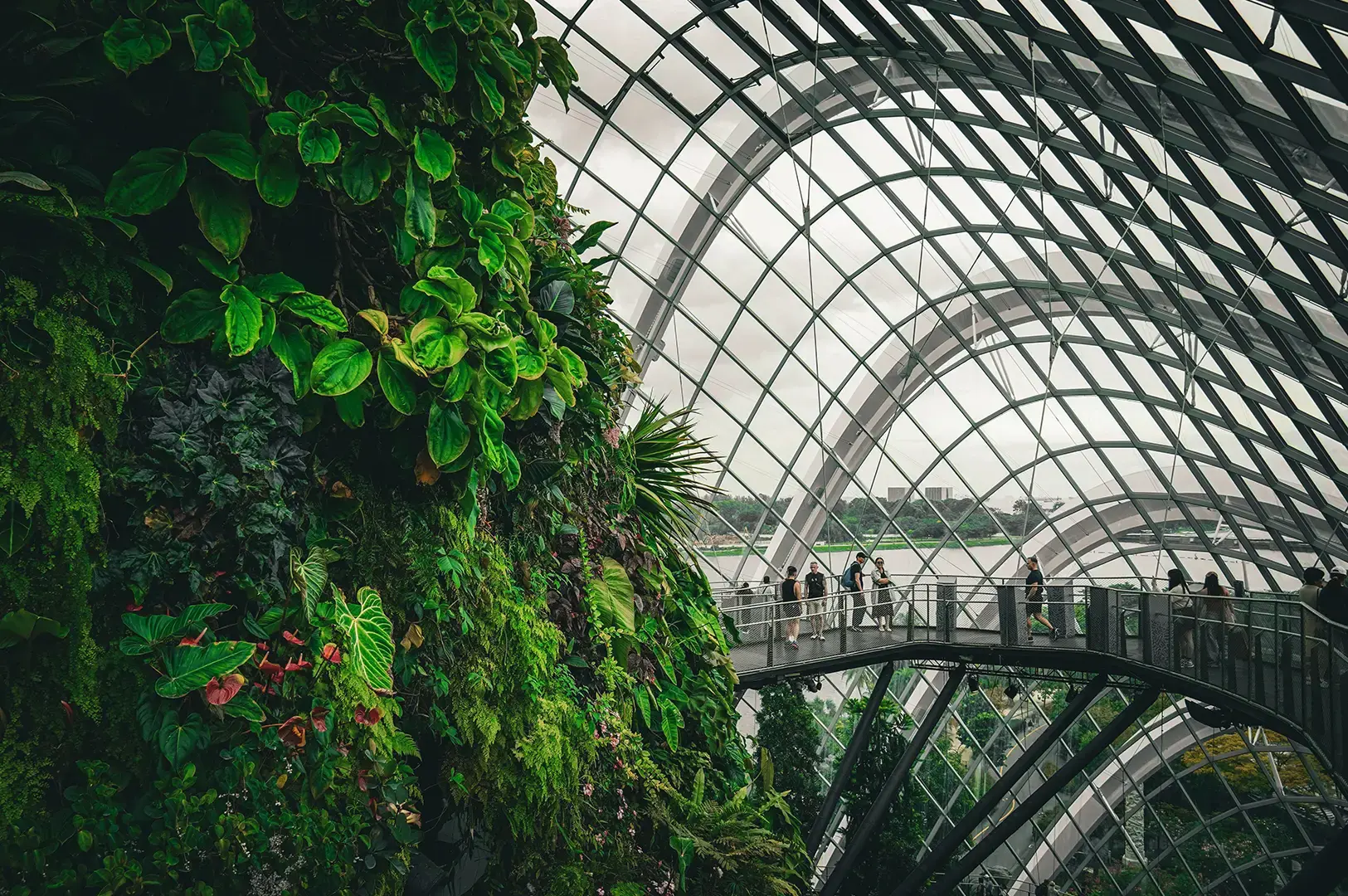
Where I’d Send You: Best Photo Spots from Flower Dome to Cloud Forest
- Maxwell Food Centre (1 Kadayanallur Street) is a strong starting point — heritage surroundings, a compact interior, and a mix of tourists, office workers, and older regulars. Great morning light and a favourite among photographers for street art and life shots.
- Chinatown Complex is denser and busier, which means more chances for layered, crowded compositions near famous landmarks like the Hill Street Police Station and People’s Park Complex. One of my favorite great photo spots and I think most people will agree.
- Tekka Centre shines for multicultural food scenes and the buzz of Little India around it, with vibrant street art, back streets, and colourful life to photograph. Give a taste of our neighbouring countries in your photographs; this will help you get an audience from other countries too.
- Old Airport Road Food Centre — my sentimental favourite — is perfect for everyday neighbourhood culture rather than tourist-famous plates.
- Geylang Serai Market is your best bet for Malay food traditions and the wider cultural life around the market.
- Lau Pa Sat gives you architecture, evening atmosphere, and that striking CBD contrast — glass towers behind old wrought iron. One of the most interesting places for me.
Remember: individual stalls keep their own hours, so a centre being “open” doesn’t mean every stall is.
The “One Stall, One Hour” Exercise Near the Helix Bridge and Orchard Road
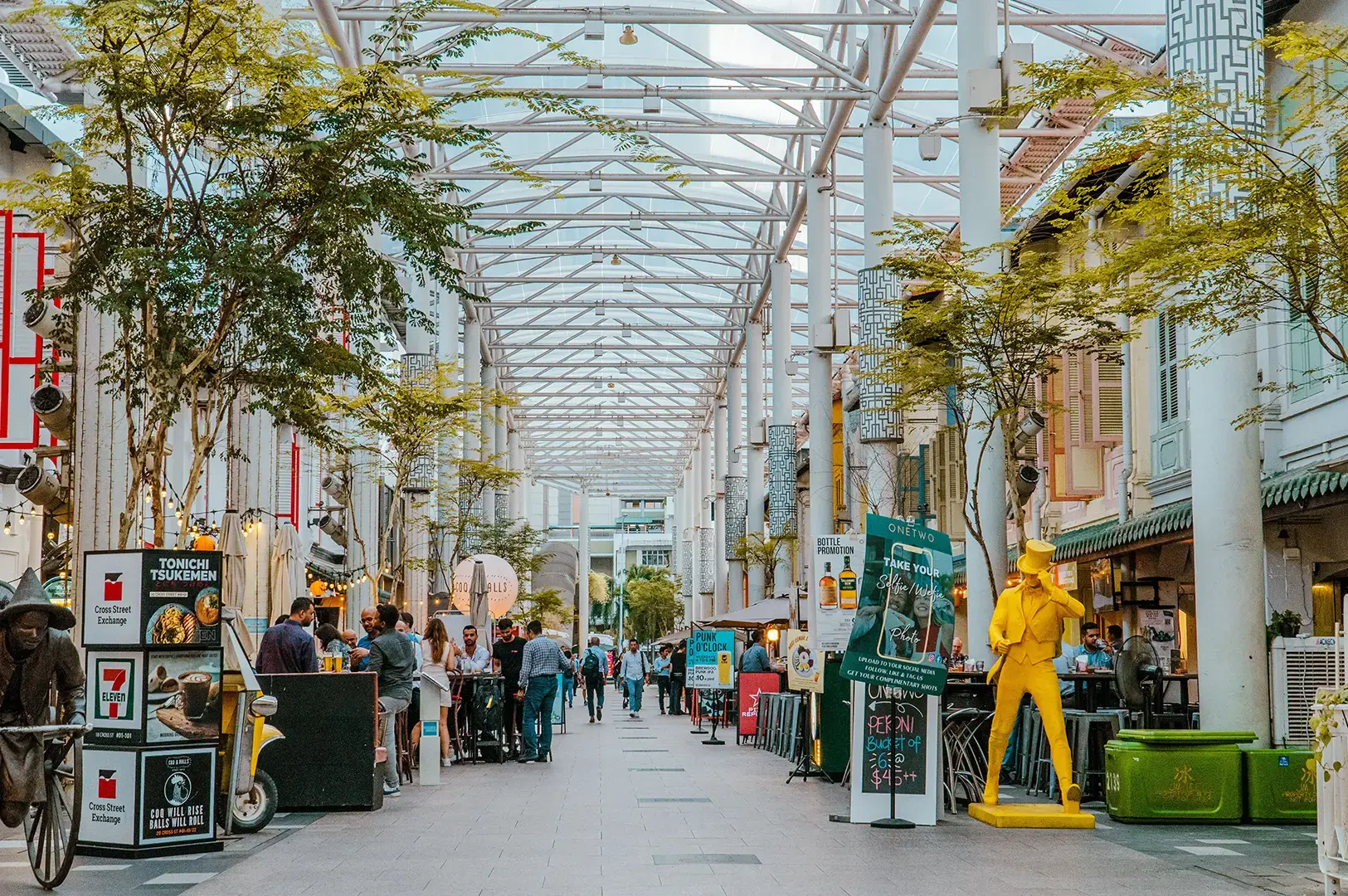
Instead of trying to photograph a whole hawker centre, pick a single stall, stop over like you’re on a trip and you’re savoring the moment, and make ten frames:
- Exterior or sign
- Hawker at work
- Hands
- Ingredients
- The cooking process
- The finished dish
- Customer receiving it
- Customer eating
- The wider environment
- A quiet moment
Now you’ve made a visual essay, not ten unrelated snaps. This is exactly how Singapore’s own heritage documentation approaches hawker culture — through people, place, and food together.
Before You Go: Observe, Respect, Document and Explore More Posts on Other Cities
Here’s the mindset shift that changed my photography as a food and travel photographer.
I used to walk in asking, “Where can I get a great food shot?” Now I ask, “What is happening here?” That single question changes everything. You start noticing the hawker’s hands instead of just the plate. The elderly regular instead of just the architecture. The five seconds of silence before lunch begins again.
So observe the rhythm before you raise the camera. Respect the people working and dining around you — they’re not props. Then document the quiet relationships between food, labour, and community.
If a hawker looks annoyed, lower the camera and move on. If your food arrives, stop shooting and eat it. And if the light lands on a pair of worn hands two stalls over — take the frame.
That’s where street photography in Singapore becomes something deeper. Go find your moment. It’s waiting somewhere between the wok and the window.