
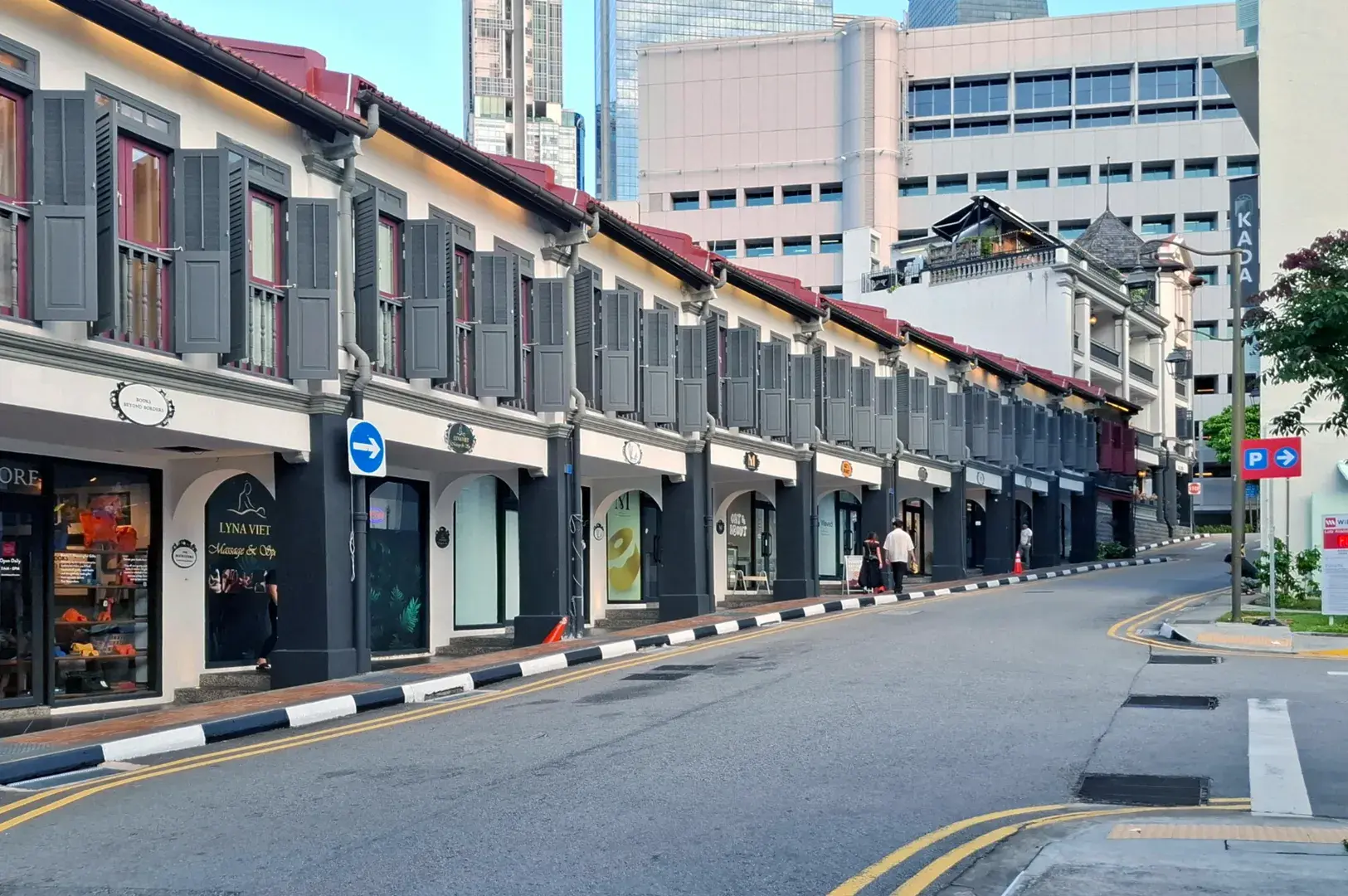
The first time someone confronted me, I was standing outside a provision shop in Chinatown. I’d just lifted my camera toward an old uncle stacking oranges into a pyramid. The morning light was gorgeous, soft, gold, sliding along the shopfront. I got greedy. I stepped too close, framed his face too tightly, and pressed the shutter without a second thought.
He noticed. He frowned. He said something sharp in Hokkien that I only half understood, but the meaning was clear enough. I lowered the camera, said sorry, and offered to delete the photo. He waved me off, still frowning, and went back to his oranges. I walked away with my ears burning.
That morning taught me something I’ve carried ever since: in street photography, legality and ethics are not the same thing. It was perfectly legal for me to take that photo. It still felt wrong. And that gap between what you can do and what you should do is really what this whole craft is about.
Legality Versus Ethics in Singapore: The Ethics of Street Photography
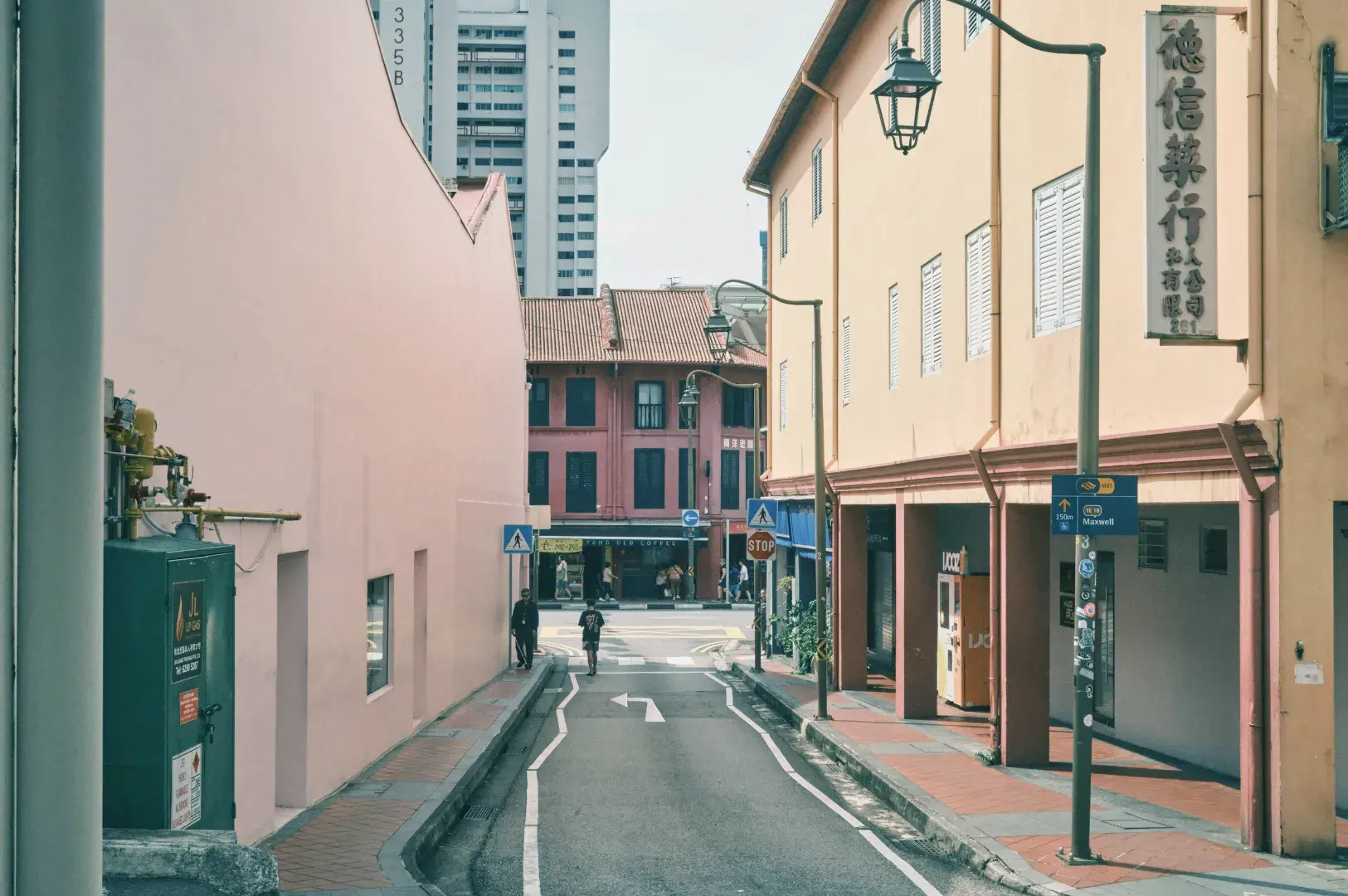
Here’s the part most beginners get tangled up in taking pictures, so let me keep it simple. In Singapore, there’s no general law requiring you to ask permission before photographing people in public. You can raise your camera on a busy street and shoot, and you’re within your rights. That’s the legal picture.
What about the PDPA?
This is the myth I hear most: “The PDPA means I can’t photograph strangers.“
Not quite. The Personal Data Protection Act mostly governs how organisations collect, use, and disclose personal data. As a private individual practising street photography, casual shooting in public generally isn’t prohibited. The picture shifts when identifiable images are used commercially or by a company, then extra responsibilities kick in.
So for personal work, you have more freedom than you might fear. But freedom isn’t the same as permission from your own conscience.
Protected Areas: Take these seriously when Shooting Street Photography
There’s one legal line you must not cross. Certain sites are declared Protected Areas or Protected Places under the Infrastructure Protection Act. Photographing them without permission is an offence, sometimes even from outside. Think security-sensitive facilities and parts of critical infrastructure.
Photographer’s Knowledge:
Always look for signage. If you see a sign showing a crossed-out camera, or a security officer asks you to stop, comply immediately and without arguing. I’ve never once won by debating a guard, and the photo is never worth the trouble. When in doubt, put the camera down.
The way I think about it now: the law tells me where I’m allowed to stand. My ethics tell me whether I should press the shutter. Both matter.
My Five-Step Process for Shooting Street Photography
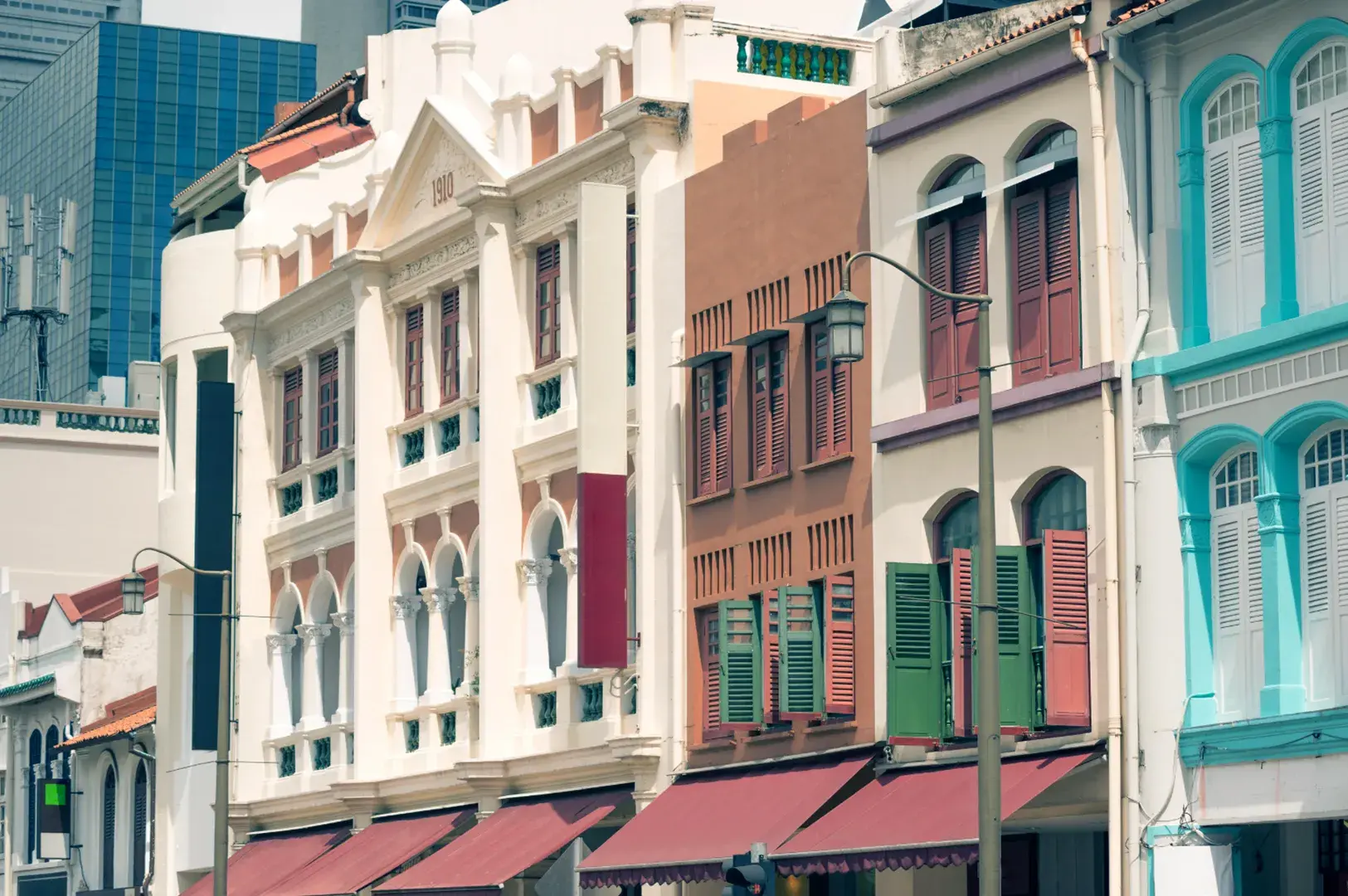
Throughout this journey, I’ve learned from fellow street photographers and other street photographers whose own thoughts and experiences have shaped my approach. For most street photographers, candid street photography is an art form rooted in capturing candid moments without causing too much trouble.
I recall an interesting article about Joel Meyerowitz, a pioneer who set an example for respectful street photography as art. Joel Meyerowitz emphasized understanding the background and nature of the scene, and the most important thing, consent and respect for vulnerable people.
After years of fumbling, this is the point I come back to every time.
Step 1: Choose the right location for Street Photographers
Where you shoot shapes everything. For readers just starting out, I’d suggest places that already hum with everyday life:
- Chinatown: layered light, market energy, textured shopfronts
- Kampong Glam: colour, calligraphy, quiet side lanes off the main strip
- Tiong Bahru: soft daylight, slow mornings, that heritage stillness
- Hawker centres: the beating heart of daily routine (approach respectfully)
- MRT stations: commuters, movement, honest slices of city life
Festivals are a gift for beginners. During Chinese New Year, the Hari Raya bazaars, or Deepavali, people expect cameras. The nerves melt away because everyone’s already in a photographing mood.
Step 2: Observe before you shoot candid photos
This is the step I skipped that morning in Chinatown, and it cost me.
Now I give myself 10 to 20 minutes just to watch before I raise the camera. I look for the light, the reflections, a gesture that repeats, two strangers whose paths are about to cross. The best candid moments rarely need chasing. They come to you if you’re patient enough to wait.
Photography Tip:
Find your spot and let it come to you. I’ll pick a doorway with good light, lean against a wall, and simply wait for someone to walk into the frame. Waiting five minutes for the right person beats sprinting after fifty wrong ones. The street will hand you the picture, you just have to be standing in the right place.
Interestingly, understanding how cafe design influences photography can also teach us a lot about finding the right environment and light for capturing compelling images.
Go find your moment. It’s out there on some ordinary street corner, waiting quietly for someone patient enough to notice it.
Step 3: Take the photo confidently while shooting street photography
This sounds counterintuitive, but hesitation draws far more attention than confidence.
Sometimes, you might spot a guy sitting quietly on a bench, a perfect subject for a great shot. But remember, not everyone is comfortable being photographed. When shooting people in public spaces, it’s crucial to consider age, kids, body language, people’s faces, and whether you’re photographing vulnerable people or homeless people. It’s one thing to photograph homeless people with care and consent, but exploitation is never acceptable.
For most part, when I creep and hover and second-guess, people sense it. I look suspicious. But when I raise the camera cleanly, take the frame, and lower it, most people barely register what happened. In my experience, confidence reads as belonging. You look like someone who’s meant to be there, because you are.
Step 4: Keep moving with street photography etiquette
After the shot, I smile and keep walking naturally. I don’t stare back at the person. I don’t linger, checking whether they noticed.
That easy, unbothered energy is what keeps street photography feeling gentle rather than intrusive. You took your frame. Now let the moment breathe and move on.
Step 5: Review later candid photos
Resist the urge to stare at your LCD after every shot. Chimping, that’s the slang for it, makes you look nervous and pulls you out of the moment. I wait until I’m sitting somewhere with a kopi, far from where I shot, before I look through anything. It keeps me present on the street, and honestly, the photos surprise me more that way.
You might stick to your principles, and if caught, offer kind words and explain your intent. We are here guide you in balancing fun and responsibility in the world of street photography. After all, photography is about connection: with your friends, your subjects, and the so called fleeting moments that make life beautiful.
What It Costs to Start Loving Street Photography
Here’s some good news: street photography is one of the cheapest genres you can pick up.
- Smartphone: you already own one, and it’s genuinely enough to begin
- Compact camera: around S$500–1,500
- Mirrorless camera: roughly S$1,000–3,000+
- Prime lens: about S$300–900
Some of the finest street photographers I know in Singapore shoot with modest compact cameras. Gear matters far less than your eye and your patience.
On lenses, I’d steer you toward a 28mm, 35mm, 40mm, or 50mm. They push you to step physically closer instead of sniping people from across the road with a long zoom. Getting closer feels scary at first, but it makes for more honest, connected images.
Timing: When the Light Is Kind for Shooting Street Photography
Singapore’s light shifts fast, so timing is everything.
Golden hour is my favourite, soft light, long shadows, beautiful silhouettes. Aim for roughly 7:00–9:00 AM in the morning or 5:30–7:00 PM in the evening.
Midday is harsh, but don’t write it off. That strong contrast is perfect for graphic, architectural frames and bold urban geometry.
And rain, I actually go looking for it. After a downpour, Singapore hands you reflections, umbrellas, dramatic light, and puddles of colour. Some of my best frames came from wet pavements.
A Practical Ethical Checklist for Street Photographers
Before I press the shutter, I run through five quiet questions:
- Would I be comfortable if this were me?
- Does this image tell a story rather than exploit someone?
- Am I respecting this person’s dignity?
- Could I explain why I took this photograph if someone asked?
- Would I be comfortable showing this image to the subject?
If I can answer “yes” to all five, I’m usually on solid ground, both legally and ethically.
Before You Head Out Loving Street Photography
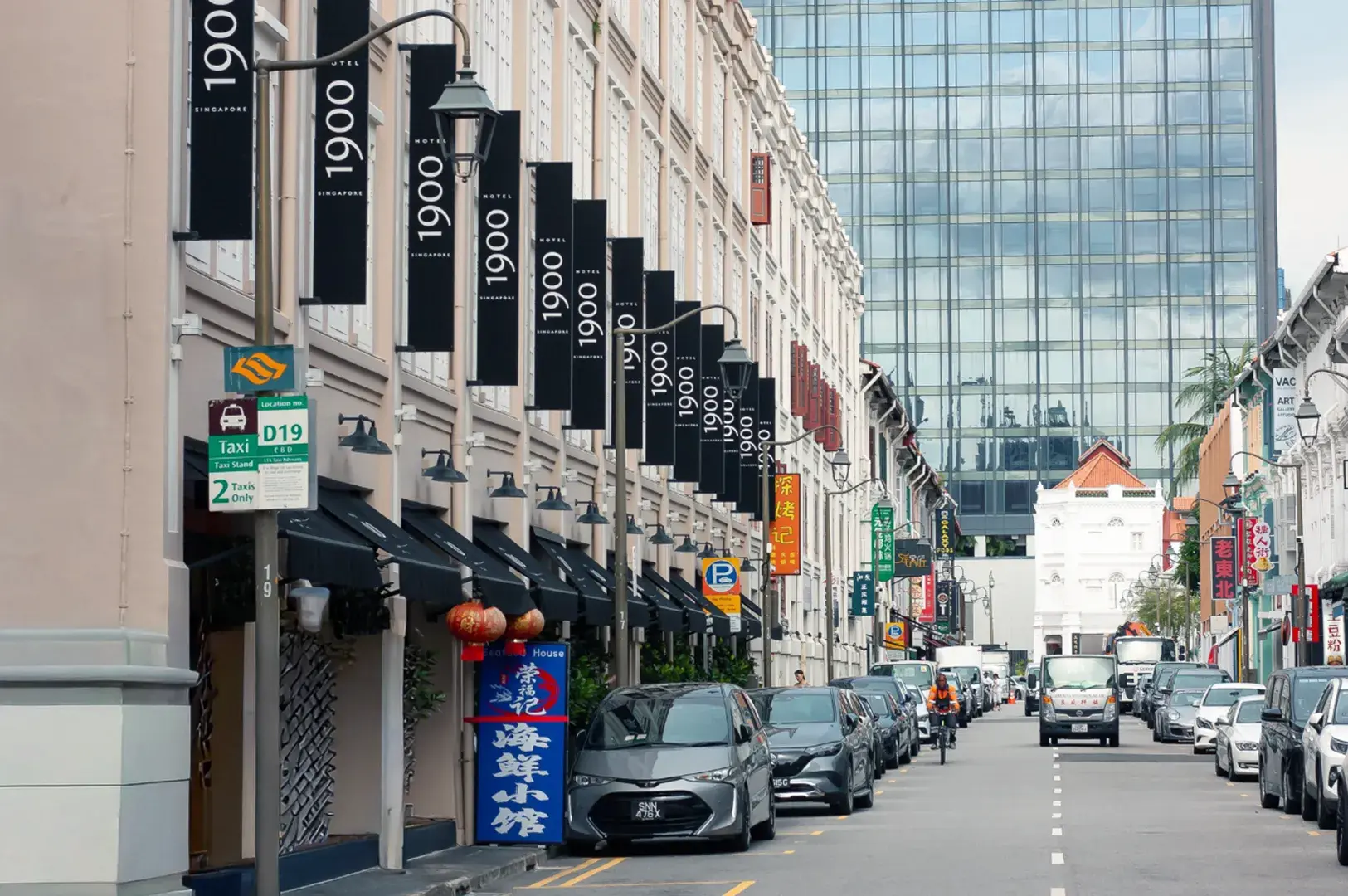
Here’s what I keep coming back to, all these years after that uncle and his oranges.
The best street photography isn’t taken from people. It’s made with a kind of quiet respect for them. The camera is only half of it. The other half is how you carry yourself, how you watch, how you wait, how you respond when someone meets your eye.
So start gently. Pick a morning in Chinatown or a slow afternoon in Tiong Bahru. Bring whatever camera you already own. Wait for the light. Take your frame with a steady hand, then smile and keep walking. You’ll get the course wrong sometimes. I still do. But if you lead with respect, the city opens up to you in ways you won’t expect.