
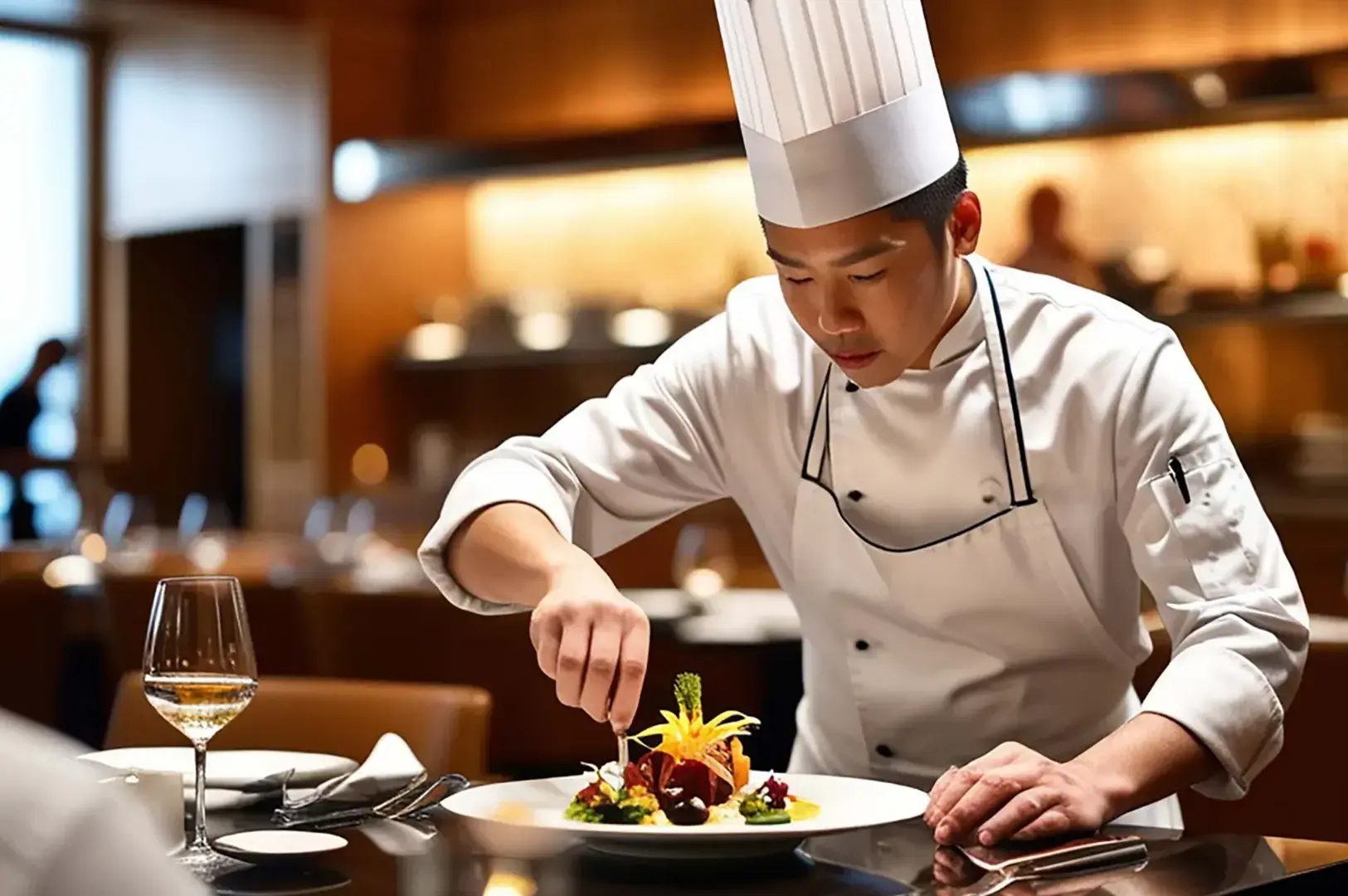
Light falls quietly across the marble table. The glint off a sashimi slice catches in the lens, sharp and fleeting. In Japanese fine dining Singapore, moments like this define the rhythm of a meal—the subtle pause between courses, the whisper of movement as chefs place a dish with precision.
Walking into a restaurant like Waku Ghin, I notice the interplay of natural daylight and interior shadows. Every reflection, every delicate edge of a plate, is an invitation to observe, frame, and linger. Even before tasting, the scene speaks: modern Japanese cuisine is as much visual art as culinary craft.
Japanese Restaurants as a Canvas
The light changes with the hour, spilling across tables in a spectrum of soft and bright. Each Japanese restaurant becomes a stage. The arrangement of sushi, kaiseki courses, and small amuse bouche tells a story before it reaches the palate.
In this space, an omakase menu is a choreography. The chef’s table sits at the intersection of observation and participation. Photographers must learn to anticipate movements, frame with intention, and respect the pace of service.
Private Dining and Photography
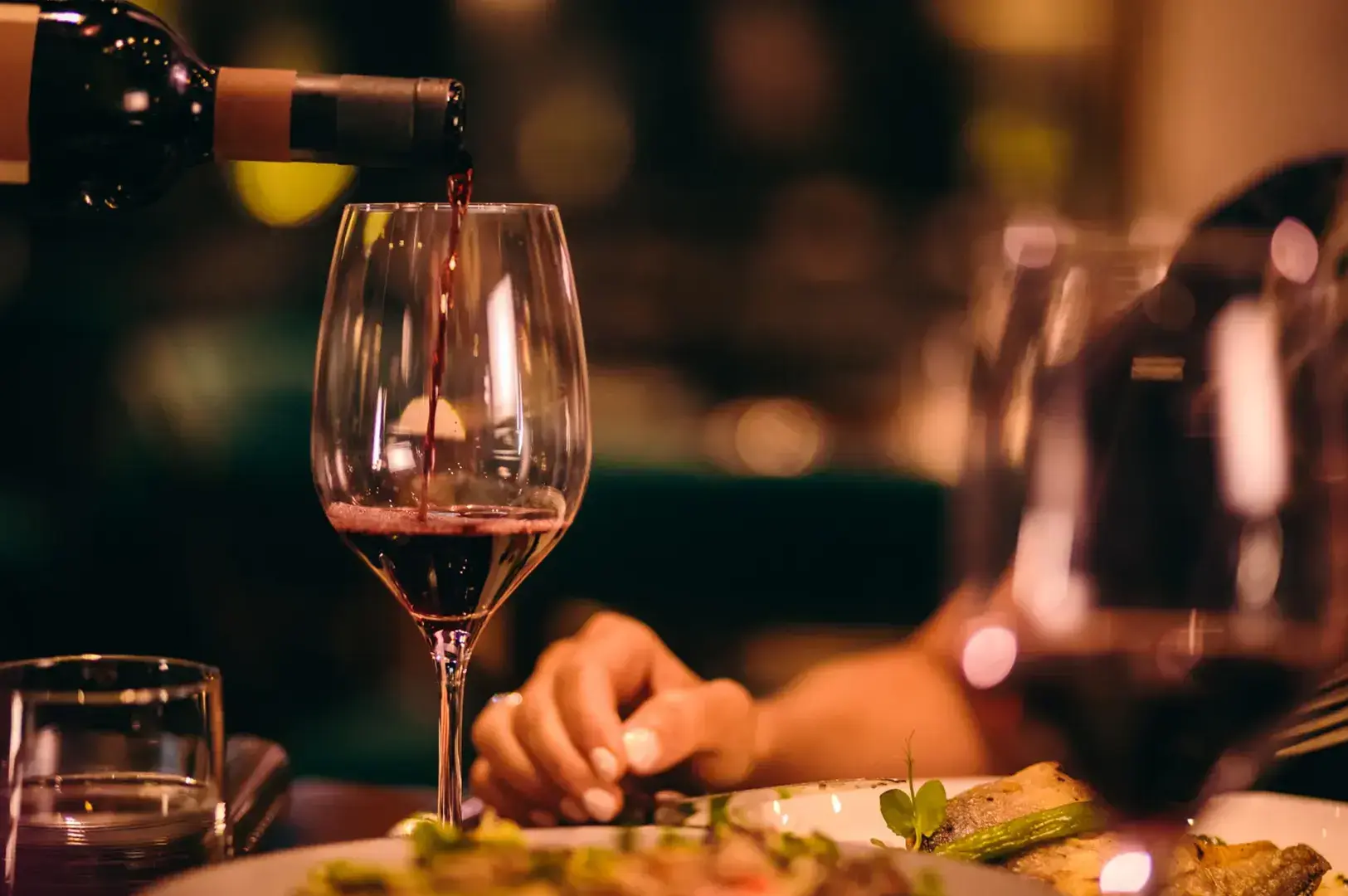
Private dining spaces reveal nuances often invisible in larger rooms. At Waku Ghin, private rooms offer subtle lighting, unobstructed sightlines, and moments of calm. These spaces allow photographers to capture the culinary artistry of Japanese chefs, the elegance of sashimi presentation, and the quiet interactions between diners and dishes.
For inspiration on plant-based Japanese dishes, restaurants like Herbivore Japanese Food Review provide beautifully plated vegan items. Observing these meals shows how colour, texture, and thoughtful arrangement guide visual storytelling in Japanese fine dine, offering new angles for composition and framing.
Modern Japanese Plating and the Photographer’s Eye
Every course is crafted with precision. Sashimi, sushi, and wagyu are layered to balance texture, colour, and form. Photographers should consider how natural daylight interacts with the tableware, how sauces glisten, and how small garnishes affect visual flow.
Small observations matter: the curve of a slice, the sheen of a drizzle, the contrast between fresh fish and vinegared rice. Diners barely notice the framing, yet every shot preserves the essence of the moment.
Capturing Atmosphere and Intention
The experience extends beyond the plate. The interior, ceiling design, and table layout contribute to mood and composition. From open kitchens to rooftop terraces, each element offers visual cues that tell the story of Japanese fine dining Singapore. Pausing, I notice reflections, textures, and shadows—the quiet choreography of service becomes part of the photograph.
For additional photography insights, explore here.
Photographic Techniques for Fine Dining
Photographers benefit from deliberate attention:
- Observe chef movements at the counter
- Frame sushi and sashimi against natural light
- Include subtle diners’ interactions for scale and context
- Capture dish composition and the artistry of plating
- Balance wide shots of the restaurant interior with close-ups of detailed elements
Each shot becomes a meditation, capturing more than food—capturing experience.
Examples and Inspiration
Restaurants illustrate the spectrum of Japanese fine dining in Singapore. From omakase experiences to modern interpretations, they provide a range of textures, colours, and layouts to explore. Private dining and chef’s tables give additional opportunities to observe and photograph culinary artistry in motion. For more examples and inspiration, visit Best Restaurant Singapore, which offers a comprehensive guide to Singapore’s top dining spots.
Mobile Photography Tips for Japanese Fine Dining Singapore
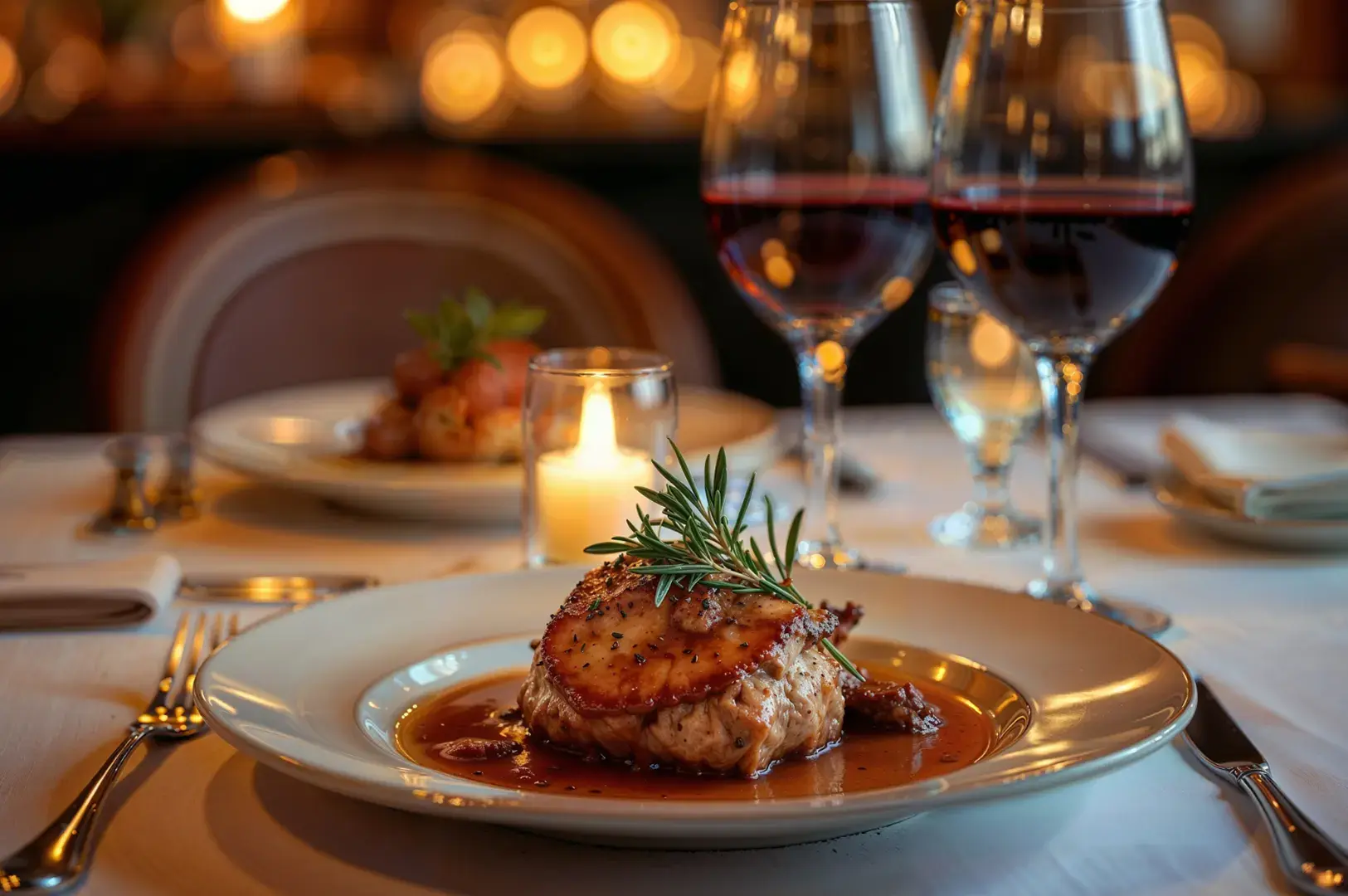
Mobile phones today can capture the beauty of Japanese fine dining with ease. To get the best shots, use natural light near windows and avoid harsh flashes. Frame your photos using gridlines for balanced composition, and try different angles like overhead or close-ups to showcase the food’s artistry.
Use your phone’s manual settings to adjust focus and exposure, highlighting details like the sheen on fresh fish. Include elements such as chopsticks or diners to add context. Take your time between courses to capture thoughtful photos without rushing, making the most of your mobile device to relish and preserve your dining experience.
Conclusion
Japanese fine dine is a story told in small, precise gestures. Capturing it in Singapore requires patience, observation, and respect for rhythm. From sashimi to kaiseki courses, from private rooms to open kitchens, the interplay of light, texture, and intention defines the narrative. Photography here is not just about documentation; it is about translating movement, flavour, and care into visual form.
Moments linger longer through the lens. Each frame becomes a quiet testament to the craft, heritage, and artistry embedded in Japanese fine dining Singapore.
Discover expert techniques for capturing the ambiance in dimly lit dining spaces by visiting our low light restaurant photography guide in Singapore.