
I remember standing in the middle of a sprawling HDB estate in Potong Pasir, camera in hand, struggling with the harsh midday sun. I was trying to capture the iconic slanted roofs of the blocks, but the light was flat, the shadows were deep, and every photo felt lifeless. Frustrated, I almost packed up. But then I noticed a group of uncles playing checkers in the void deck, their faces illuminated by the soft, reflected light bouncing off the concrete floor. That moment taught me the most important lesson about how to photograph Singapore: the best shots are rarely the most obvious ones.
Singapore offers so much more than just the postcard views of Marina Bay Sands or the Singapore River. It is a city of textures, quiet moments, and surprising juxtapositions. To truly explore Singapore and capture its essence, you need to look beyond the iconic landmarks and learn to see the stories unfolding in its different neighborhoods, from bustling Little India and Kampong Glam to the historic Civic District and the art deco charm of Tiong Bahru. These hidden gems reveal the rich history and vibrant culture that make Singapore unique.
Whether wandering the narrow streets of Pagoda Street or admiring the pastel-colored shophouses along Koon Seng Road, the city invites you to go off the beaten track and find your own sweet spot for photography. The contrasts between modern skyscrapers and wooden houses and the lively hawker centers serving great food all offer incredible opportunities to capture Singapore’s soul.
Visiting Singapore is not just about ticking off tourist attractions; it’s about immersing yourself in the local life, discovering the vibrant street art in Haji Lane and Arab Street, or taking a day trip to Pulau Ubin and Coney Island to experience Singapore’s natural beauty and walking trails. For a fun way to end your day, consider catching the sunset from Mount Faber Park or the Henderson Waves Bridge along the Southern Ridges, where you can enjoy panoramic views and the city’s skyline from a rooftop bar.
This personal approach to photograph Singapore goes beyond the usual Instagram feed and reveals the authentic charm of the Lion City, a true jewel of Southeast Asia.
Master Our Unique Light and Weather
The first thing you need to understand is our light. Singapore’s equatorial sun is unforgiving. Between 11 AM and 4 PM, it casts harsh, top-down shadows that can make even the most beautiful scene look flat. The secret is to embrace the “golden hours” with an almost religious devotion.
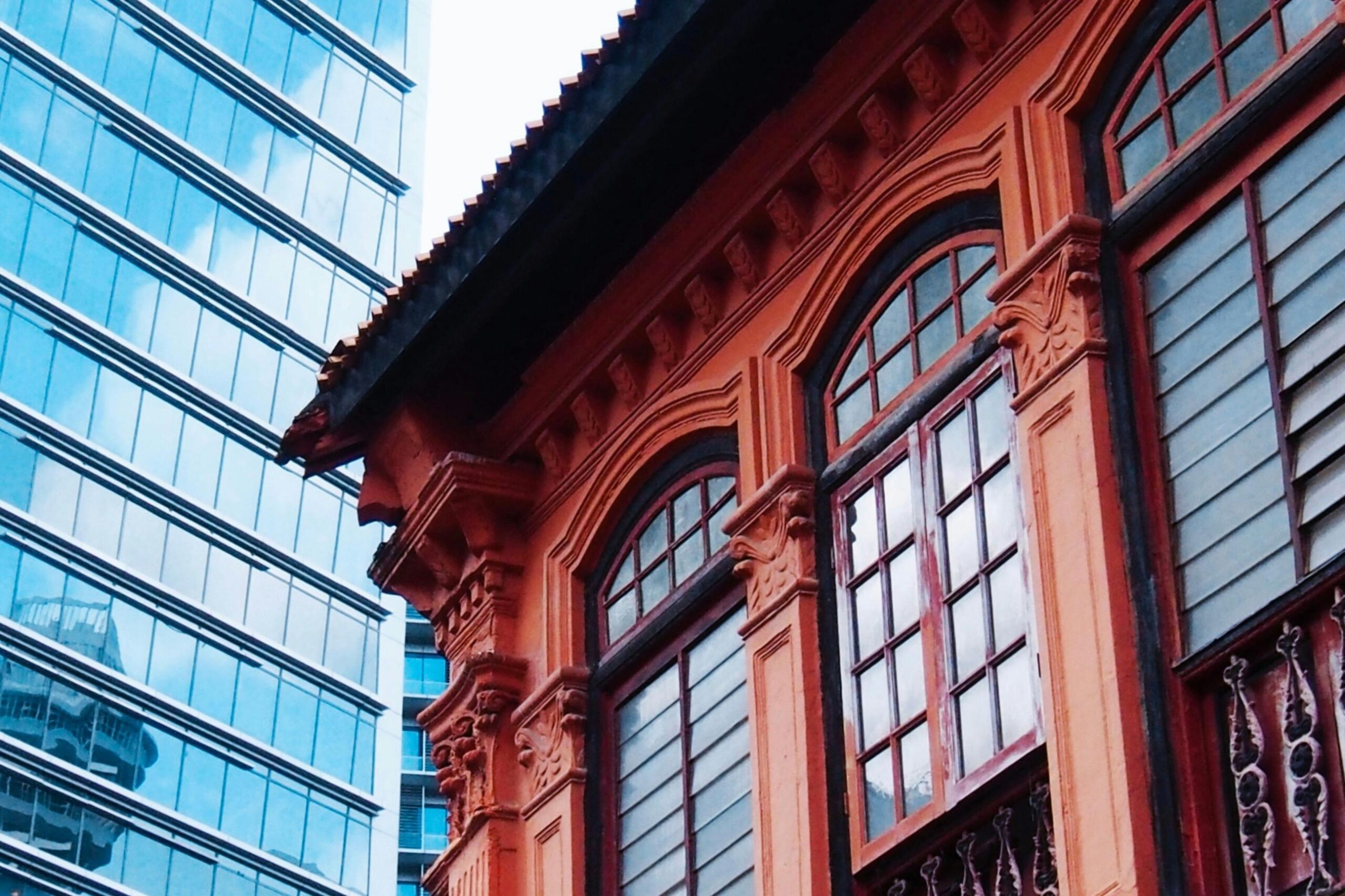
I plan my most important shoots for the hour after sunrise and the hour before sunset. The light during these times is soft, warm, and directional, creating beautiful long shadows that reveal texture and add depth to your images. Imagine the shophouses of Joo Chiat and Koon Seng Road, their pastel facades glowing in the warm evening light. That is the magic you are chasing.
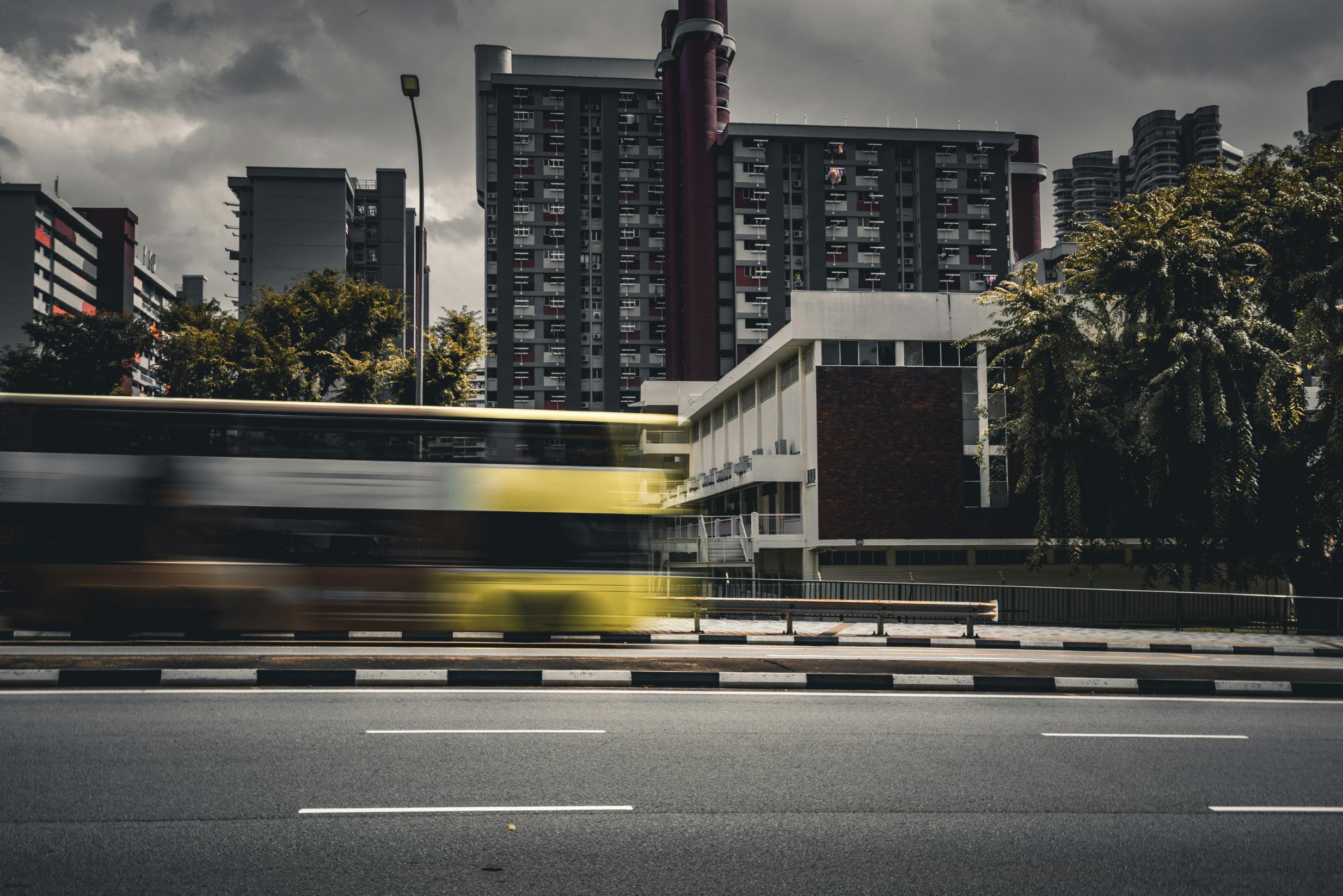
But do not put your camera away when it rains. Our tropical downpours are a gift. They create moody skies, wash the streets into reflective mirrors, and give you a chance to capture the city in a completely different mood. A shot of the Central Business District with skyscrapers reflected in rain-slicked pavement tells a far more interesting story than another clear, blue-sky day.
To photograph Singapore’s rich history and vibrant culture, look beyond the iconic landmarks like Marina Bay Sands and explore the historical sites around the Civic District, including the Supreme Court and the Buddha Tooth Relic Temple. These places offer unique architectural details and stories waiting to be captured by a photographer. If you have a few hours to spare, consider a day trip to Sentosa Island, home to Universal Studios Singapore and Adventure Cove Waterpark, offering thrilling photo opportunities beyond the city center.
Look for Stories, Not Just Sights
A great photograph is not just about what you see, but what you feel. To photograph Singapore authentically, you need to find the human element within the urban landscape. If you do decide to stay in Central Singapore or go on the top tourist spots on Singapore, here are some of the places you should put on your list and what you can capture in it.
Food Tour at Hawker Centers
Capture the vibrant energy and delicious street food scenes in local food courts like Tiong Bahru Market, Tekka Centre, Lau Pa Sat, Maxwell Food Centre, and Old Airport Road. These hawker stalls serve some of the best food like curry puffs in Singapore and are perfect for authentic storytelling shots featuring hawkers preparing dishes and locals enjoying their meals. Exploring these street markets offers a great way to experience Singapore’s rich culinary heritage and vibrant local culture.
Haji Lane and Arab Street
Explore the narrow streets of Haji Lane and nearby Arab Street, famous for their colorful shophouses, stunning street art, and lively atmosphere. These areas are hotspots for capturing Singapore’s urban culture, Peranakan culture influences, and the mix of traditional and modern elements. The vibrant murals, quirky boutiques, and live music venues make these neighborhoods some of the most photogenic spots off the beaten path.
Gardens by the Bay
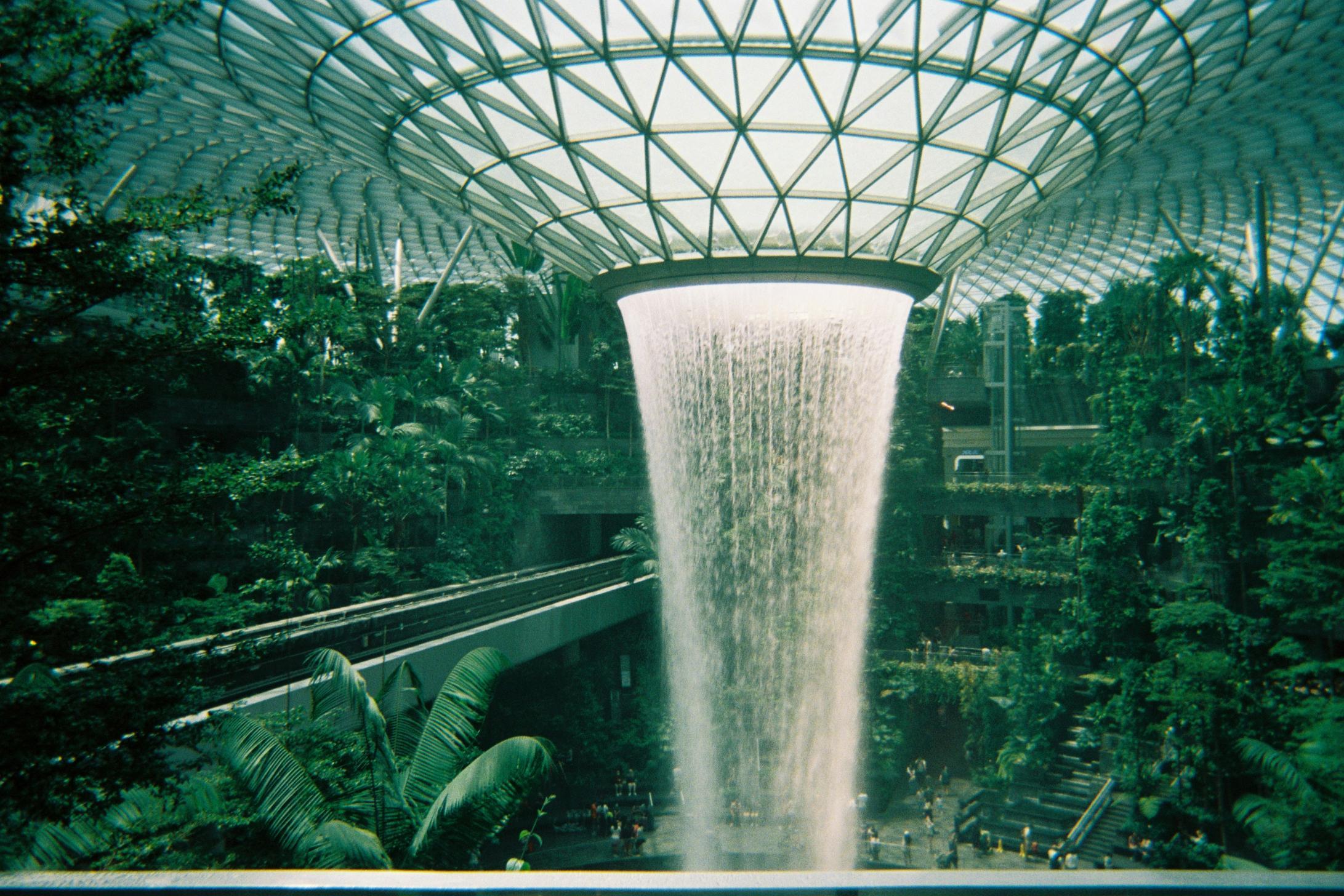
Photograph the iconic Supertrees, the Cloud Forest Dome, and the Flower Dome in this futuristic garden complex. The Gardens by the Bay offer incredible architectural and natural contrasts, especially during the Garden Rhapsody light show at night. This attraction is one of Singapore’s most famous tourist attractions and a must-visit for capturing Singapore’s skyline and innovative green spaces.
Singapore Botanic Gardens
A UNESCO World Heritage Site and a serene oasis in the city center, the Singapore Botanic Gardens are perfect for shooting lush tropical greenery, tranquil lakes, and local wildlife such as monitor lizards and butterflies. Early morning tai chi sessions here provide beautiful human-interest shots that reflect Singapore’s rich history and cultural traditions.
Haw Par Villa
This quirky theme park, located away from the usual tourist attractions, presents small rooms that are filled with colorful and unusual statues depicting Chinese mythology and folklore. Haw Par Villa offers most visitors and photographers unique cultural and artistic subjects that showcase Singapore’s history, diverse heritage, and storytelling traditions.
My Go-To Gear for a Day of Shooting in Singapore
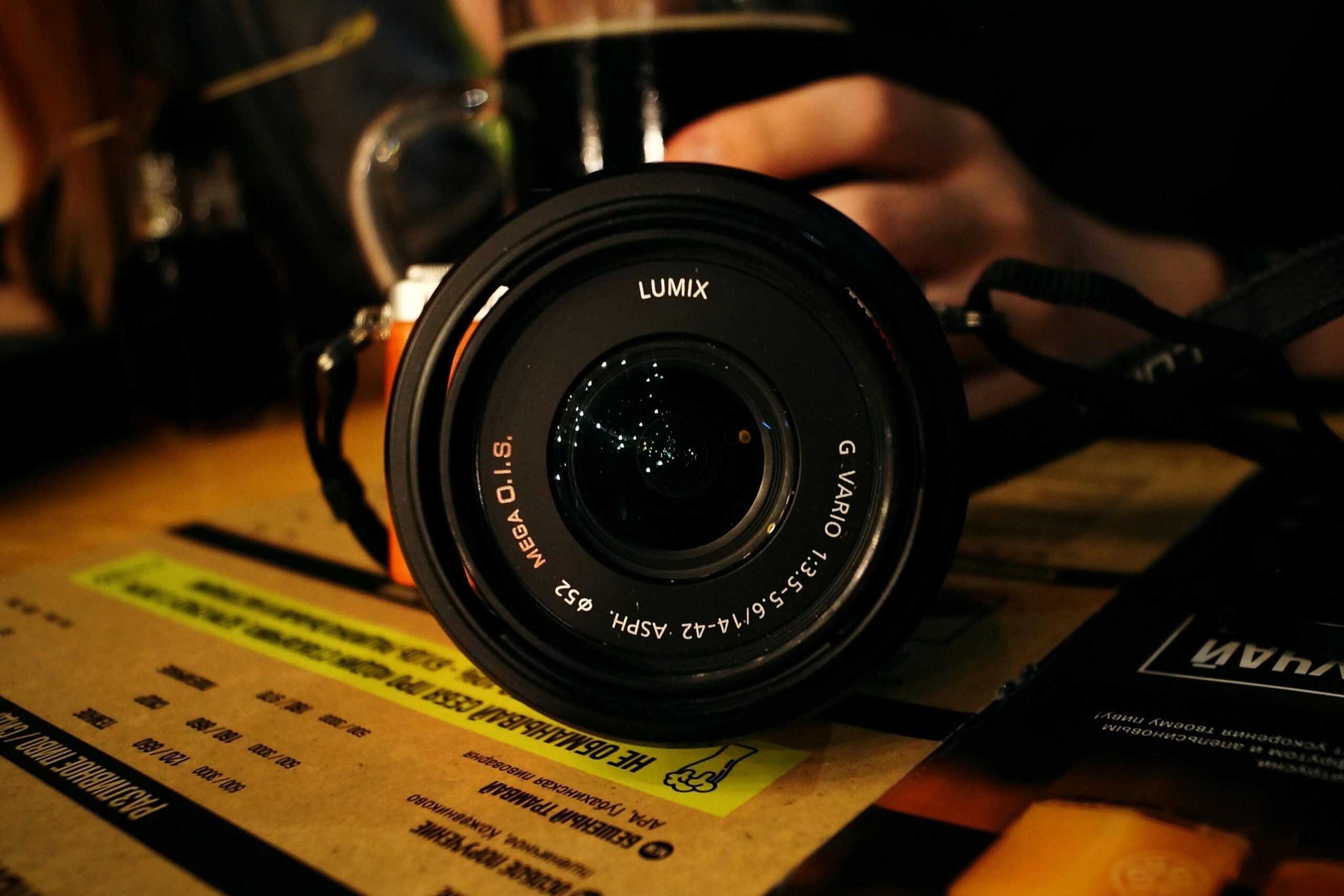
I believe in traveling light. Lugging heavy gear in our humidity will drain your creative energy faster than anything else. Here is what is typically in my bag when I photograph Singapore, especially in different neighborhoods and around the city center:
- A Versatile Zoom Lens (24-70mm f/2.8): This is my workhorse. It is wide enough for architectural shots in tight spaces and long enough for candid street portraits. It gives me the flexibility to react quickly to a scene without changing lenses, perfect for capturing Singapore’s skyline and iconic landmarks like Marina Bay Sands.
- A Fast Prime Lens (35mm or 50mm f/1.8): When the light gets low, like in a dimly lit temple such as the Buddha Tooth Relic Temple or a bustling indoor market, a fast prime lens is essential. It lets you shoot without a flash, preserving the natural atmosphere of the scene. It also forces you to be more deliberate with your composition, ideal for photographing local food scenes and street art in places like Haji Lane.
- A Circular Polarizer: This is my secret weapon against the tropical glare. It cuts reflections on glass and water, and it dramatically deepens the blue of the sky, making the clouds pop. It is a non-negotiable for landscape and architectural work here, especially when photographing the lush greenery of the Singapore Botanic Gardens or the Forest Walk along the Southern Ridges.
- A Microfiber Cloth: This might sound trivial, but it is not. Your lens will fog up the second you step out of an air-conditioned building. A clean cloth is your best friend when moving between the cool interiors and Singapore’s humid outdoors.
Traveling light with these gears allow me to explore Singapore’s hidden gems, from the narrow streets of Katong with its colorful shophouses to the quiet corners of the Civic District. It helps me capture the rich history and vibrant street life that make this Lion City so unique.
A Personal Reflection on Seeing My Home
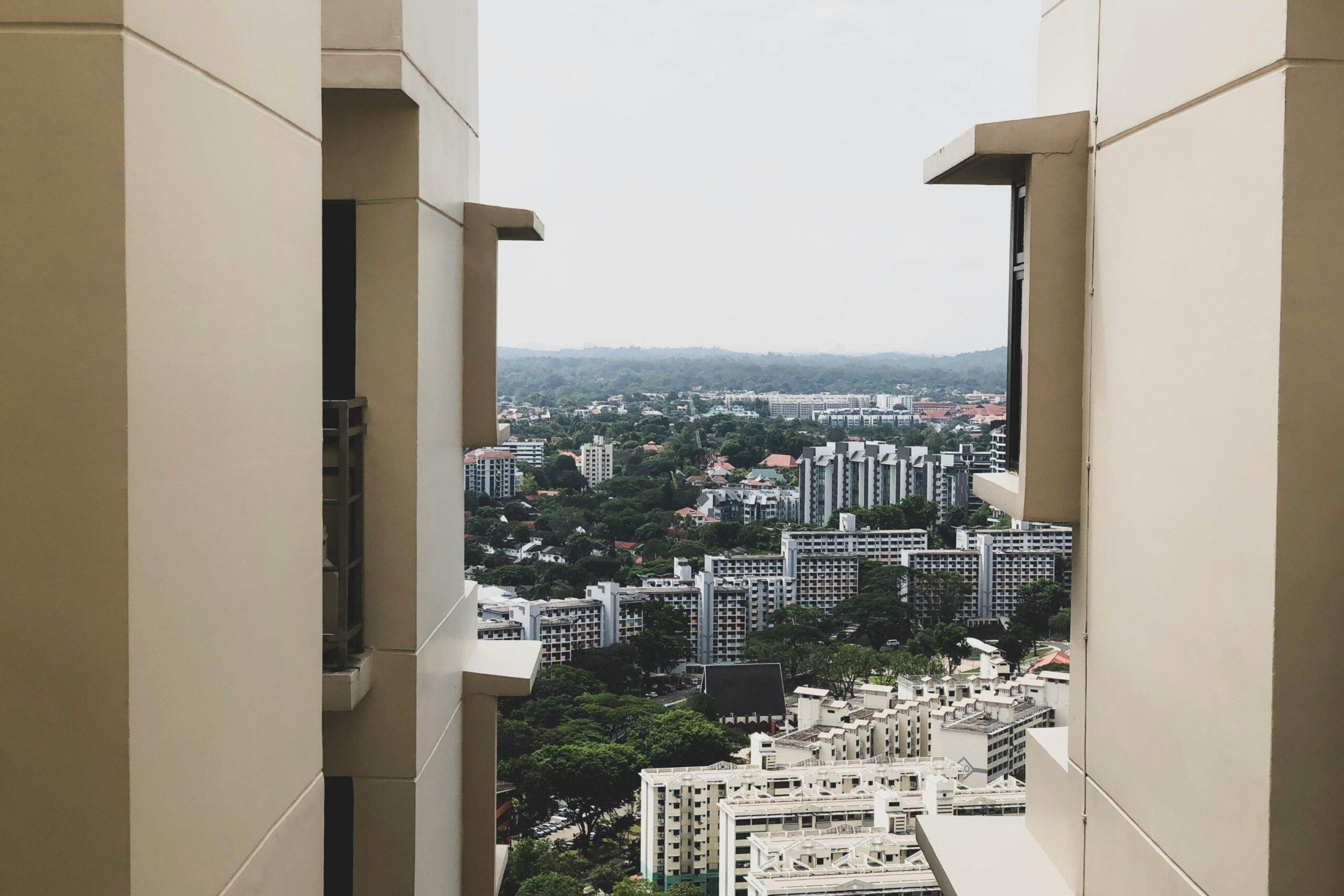
Learning to photograph Singapore has been a journey of rediscovering my own home. It forced me to slow down and observe. It taught me to find beauty not in the grand and perfect, but in the small, chaotic, and everyday moments. It is in the way an old woman hangs her laundry on a bamboo pole, the way sunlight filters through the leaves of a rain tree in the Botanic Gardens, or the organized chaos of a wet market in the morning.
These are the images that feel like home. They are the stories that I want to tell. It is a continuous process of looking past the familiar to find the extraordinary.
If you are just starting your journey to photograph Singapore, my advice is this: be curious. Put away the checklist of famous locations for a day. Get on a random bus and get off in a neighborhood you have never heard of. Walk, watch, and listen. The soul of the city is waiting for you in those unexpected places.
For those of you interested in taking this passion to the next level, I have shared my personal journey and business insights in another article. For more information on how to be a professional photographer in Singapore, check on the article “The Complete Guide to Becoming a Professional Photographer in Singapore”.