
There is a rhythm to the back lanes of Singapore that most never notice. One evening during golden hour, I wandered behind the restored shophouses of Joo Chiat. The setting sun filtered through gaps, painting stripes of light across cracked pavement. An old uncle sat on a plastic stool, listening to a crackling radio; a scene so serene and timeless. Despite the city’s gloss and glamour, its true soul lives in these quiet, overlooked corners. Authentic experiences hide in plain sight, waiting for those who look beyond the obvious. These hidden spots in Singapore offer locals their peace.
In recent years, I’ve made it my mission to capture these pockets of tranquility. Along the way, I uncovered fascinating Singapore hides: lesser-known treasures revealing the city’s layered character. This is not a list of trendy cafes, but a visual journey into true Singapore hidden gems often missed by casual visitors.
Escaping the Crowds: Locals’ Hidden Gems for Photographers
1. The Woodlands Waterfront Park Jetty
- Location: 6A Admiralty Rd W, Singapore 759956
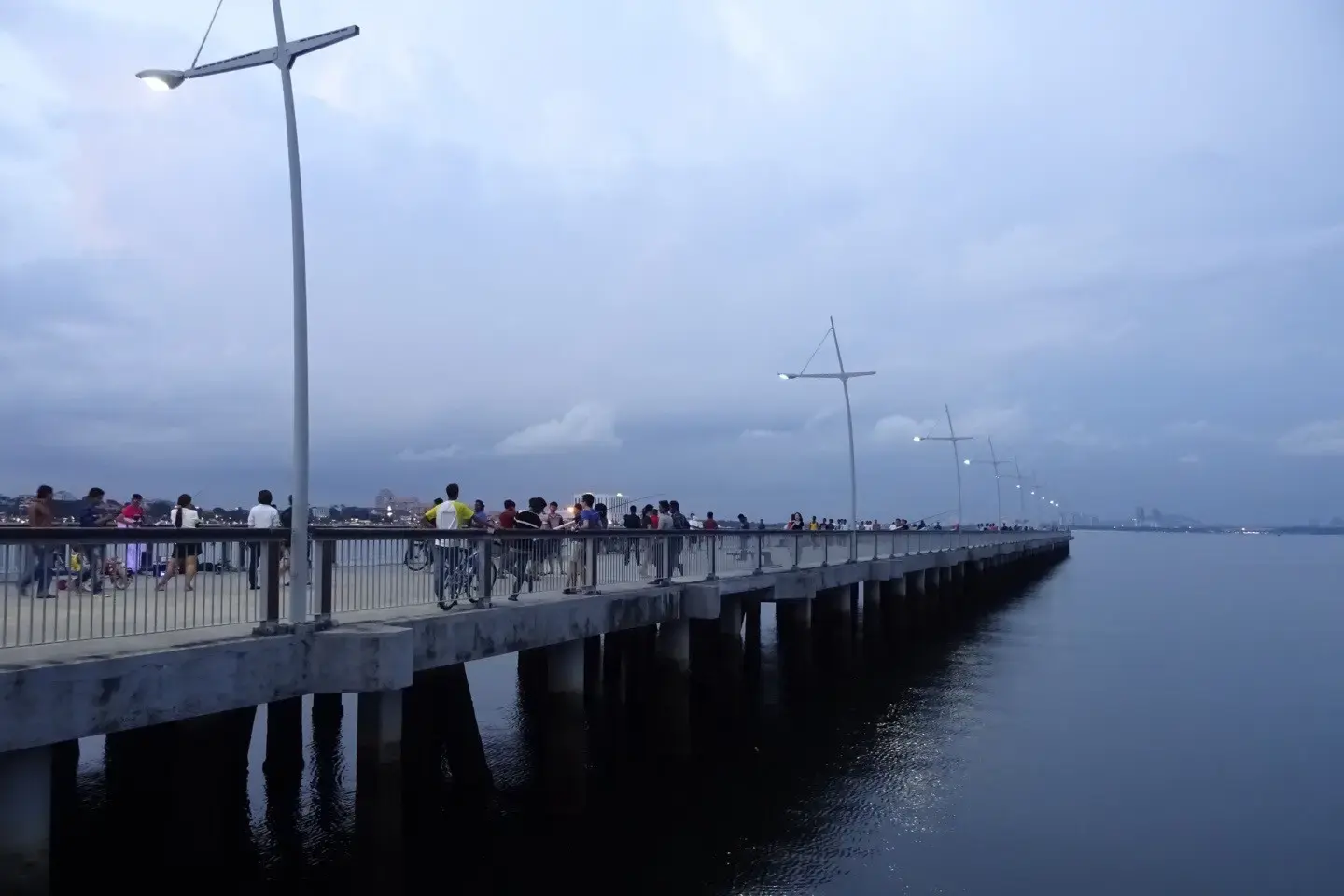
- The Story: On a whim, I discovered Singapore’s longest jetty stretching over the Johor Strait. This hidden gem offers a peaceful escape from the busy city center, with views of Johor Bahru’s twinkling lights. It reflects Singapore’s past and close ties with Southeast Asia, serving as a window into the country’s history and evolution.
- Photo Tips: Visit during blue hour after sunset for glowing skies and warm jetty lamps. Use a tripod and wide-angle lens (16-35mm) to emphasize the jetty’s length as a leading line toward Malaysia’s lights. A 15-30 second long exposure smooths the water for an ethereal effect.
2. The Poet’s Bench at Clementi Forest
- Location: Along the Rail Corridor, near the old Bukit Timah Railway Station. You will need to venture into the Clementi Forest trail to find it.
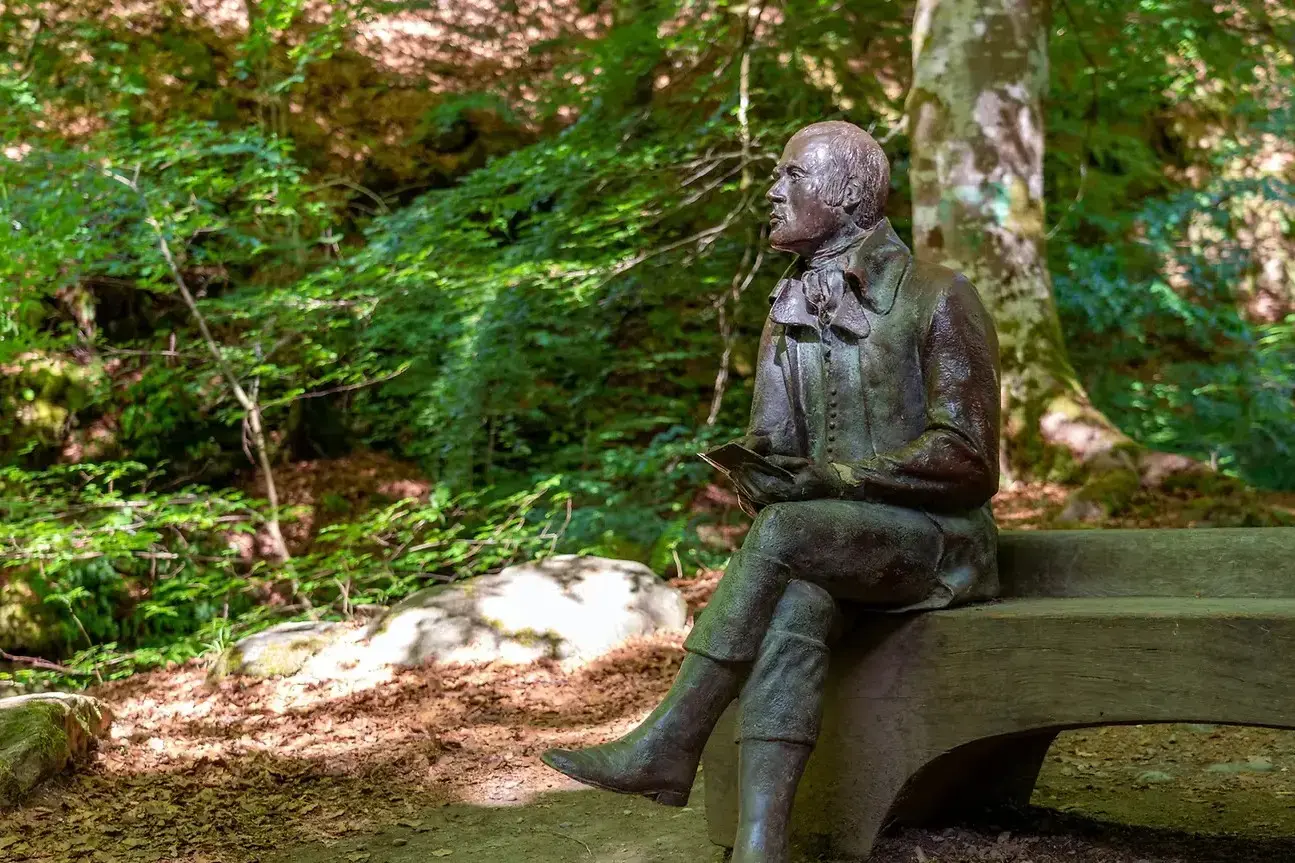
- The Story: Finding this spot felt like a real discovery off the beaten track. Hidden within the lush, untamed wilderness of Clementi Forest is a solitary, moss-covered concrete bench known as the “poet’s bench.” The local hiking community cherishes this secret spot, which offers a deep dive into Singapore’s natural beauty away from the city’s hustle. Sitting there, with sunlight filtering through the dense canopy and the sounds of the forest all around me, I felt completely disconnected from modern Singapore, transported into a tranquil sanctuary that reflects Singapore’s rich history of nature conservation.
- Photo Tips: Go early, around 7:30 AM, especially after a rainy night. This is when you are most likely to catch the magical morning mist. The forest is dark, so a fast lens (f/2.8 or wider) is helpful. Be prepared for mud; good hiking shoes are a must. The atmosphere is what you want to capture, so focus on the quality of light, the texture of the moss, and the sheer scale of the ancient trees.
3. The Last Fishing Village (Kampong) at Lorong Halus
- Location: Along the Punggol Serangoon Reservoir, near Pasir Ris Farmway 3.
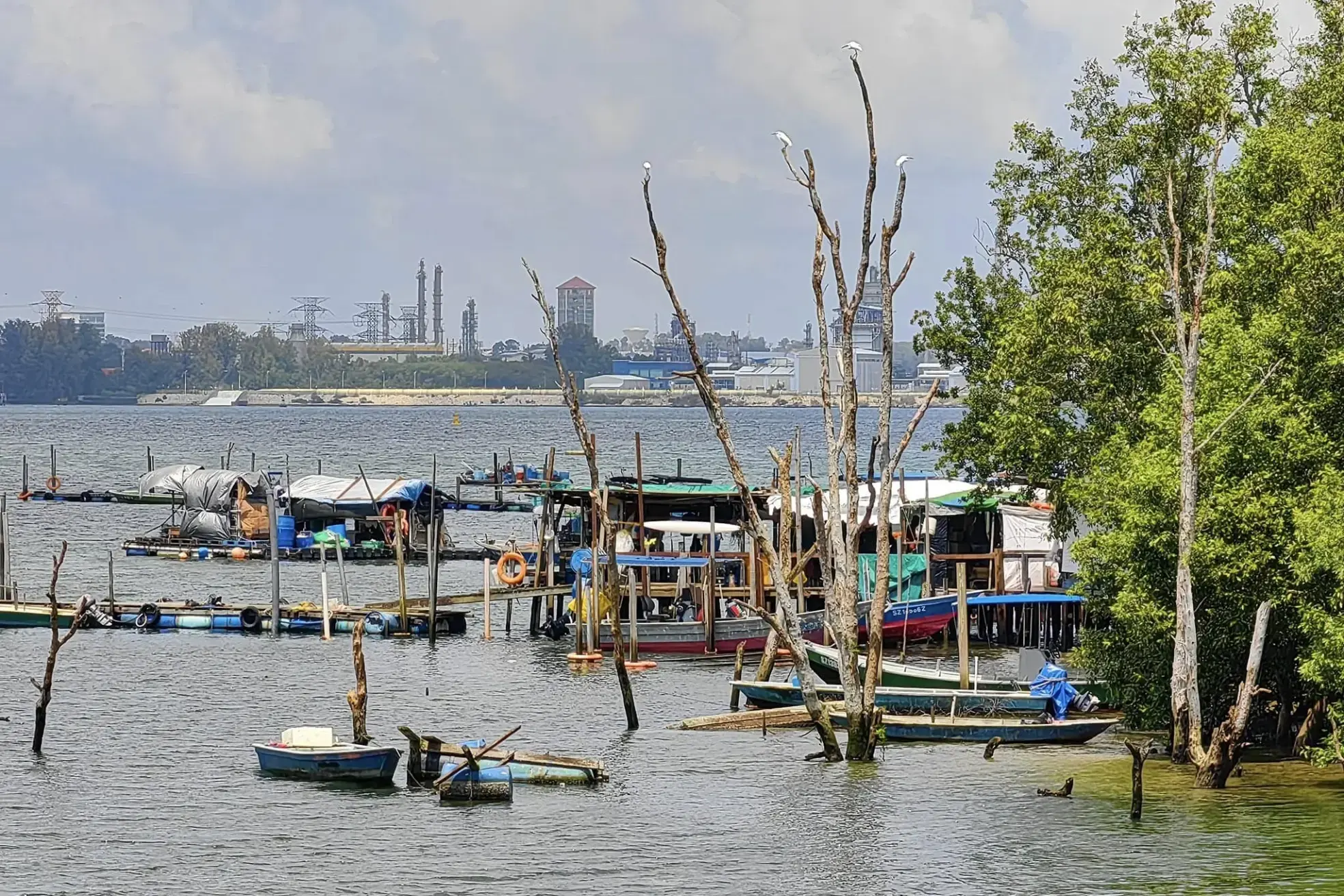
- The Story: One of the last secret places in Singapore where only locals live. A small community still resides on kelongs: wooden houses on stilts over water. I spoke with a fisherman mending his nets, a reminder of Singapore’s past and its fishing village heritage, contrasting with the modern skyline.
- Photo Tips: Use a telephoto lens (70-200mm) to capture candid moments and architectural details respectfully from a distance. Late afternoon’s soft light enhances the weathered wood’s rustic charm.
4. The Sang Nila Utama Garden
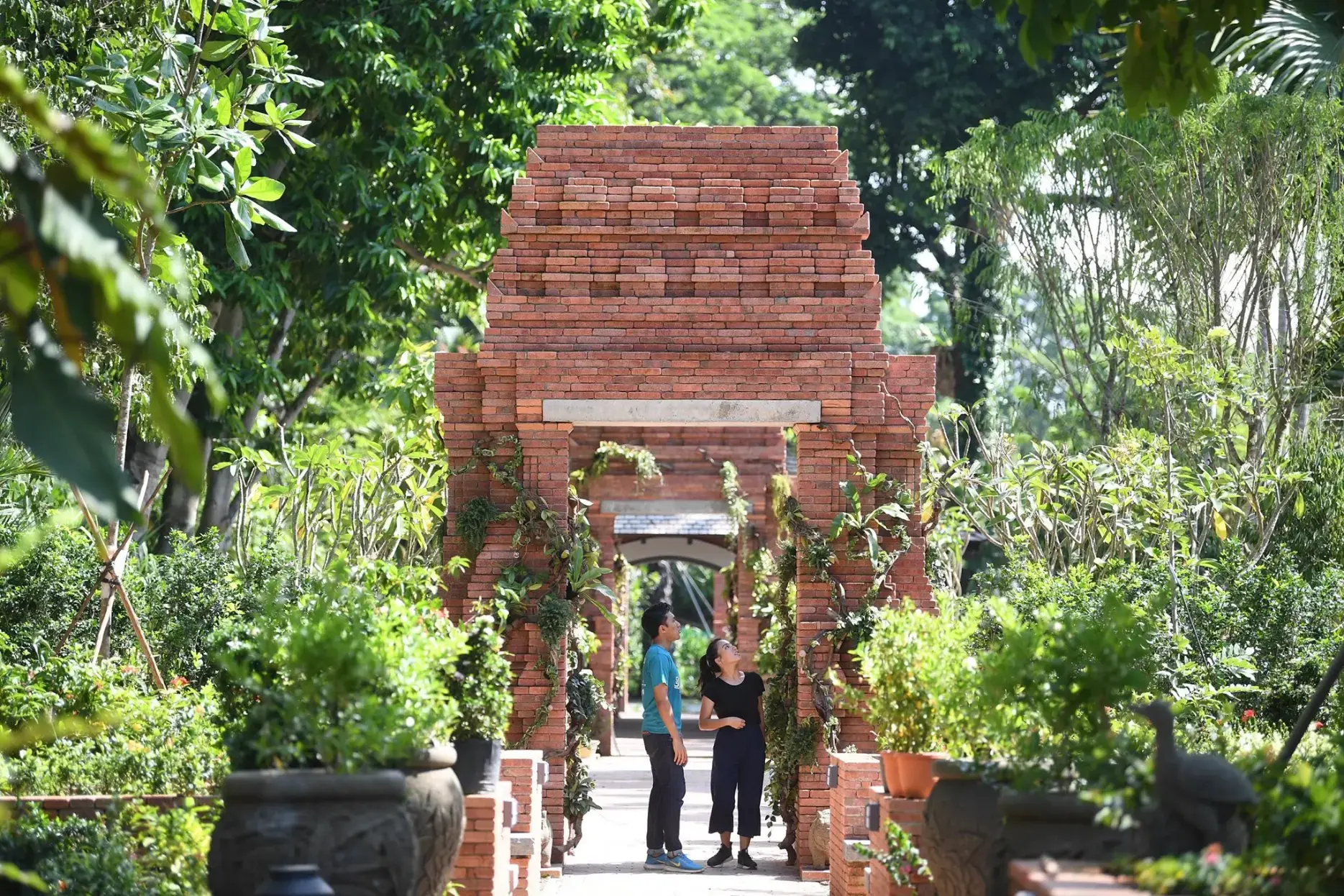
- Location: Fort Canning Park, near the Gothic Gate.
- The Story: Fort Canning Park, a well-known historical site in central Singapore, holds this lesser-known garden that recreates an ancient Javanese design with split gates and carved stone statues. It blends nature with Singapore’s history in the civic district, evoking a theme park of rich history reminiscent of Bali.
- Photo Tips: Use centered compositions with a 50mm lens to capture the symmetrical garden and stone carvings. Overcast days highlight subtle stone textures by softening shadows.
5. The Sleepy Side of Pulau Ubin
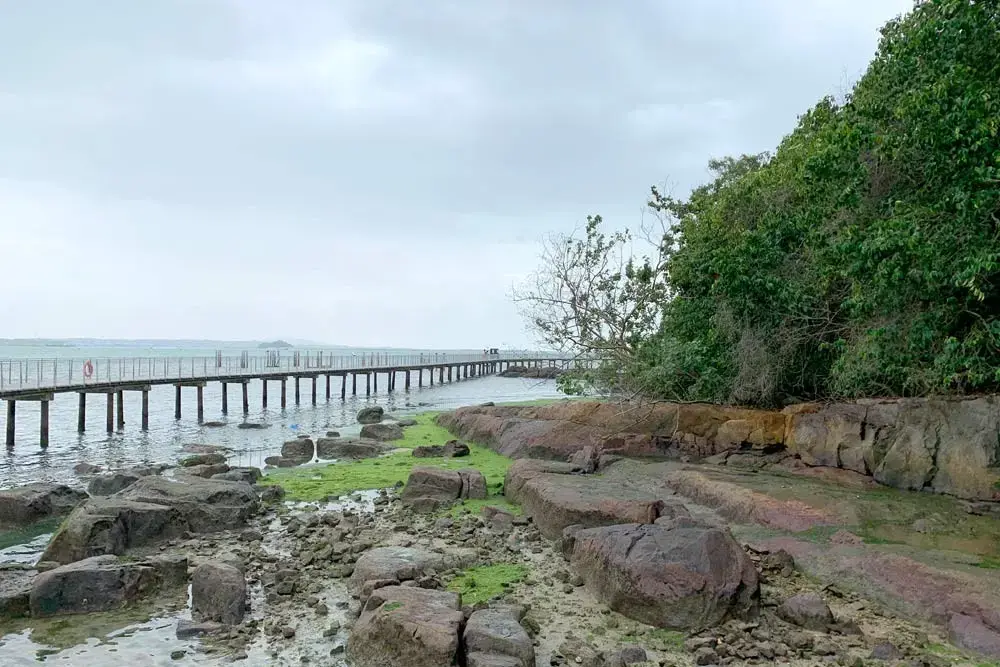
- Location: The western side of the island, beyond the main village and quarries.
- The Story: Most visitors to Pulau Ubin head east to Chek Jawa, but I decided to explore the less-traveled western side. What I found were quiet, deserted roads, abandoned coconut plantations, and small, secluded beaches. Pulau Ubin remains one of the best hidden gems near Singapore, offering walking trails and a glimpse into the country’s past, untouched by modern Singapore’s rapid development. I stopped by one of these beaches and just sat for an hour, watching the waves and the distant ships. It was Ubin, but a version of it that felt entirely my own; a true beaten path adventure. The tranquility here is reminiscent of Coney Island, another peaceful escape for nature lovers seeking solitude and natural beauty.
- Photo Tips: The best way to explore is by bike. Pack light. A single versatile zoom lens (like a 24-105mm) is perfect for capturing both the wide, empty landscapes and the closer details of the island’s flora and fauna. The light is harsh mid-day, so aim for early morning or late afternoon to capture that golden, nostalgic island glow. The best time to visit for solitude and photography is on weekday mornings, when the island is quiet and the light is ideal.
The Easy Path: The Visitor’s Usual Itinerary
Singapore offers a variety of famous tourist attractions that draw visitors worldwide. While popular for good reasons, understanding their pros and cons helps you make the most of your visit when visiting Singapore. Wanna explore Singapore like a local? Discover insider tips and off-the-beaten-path experiences for a truly unique adventure.
Balancing iconic attractions with hidden spots lets you experience both the highlights and hidden gems of the city. For a more authentic exploration, consider booking a private tour to uncover Singapore’s lesser-known treasures.
1. Gardens by the Bay
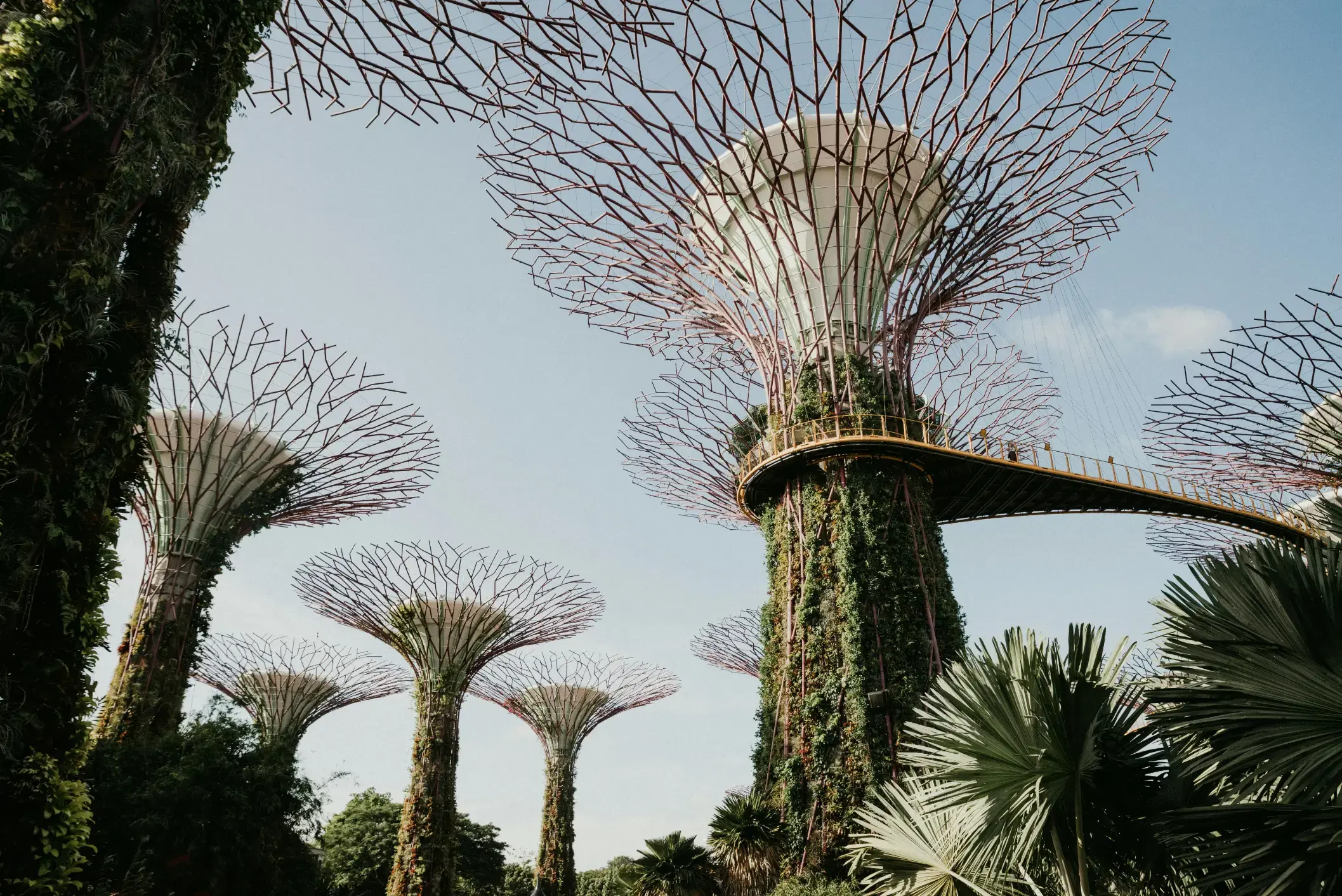
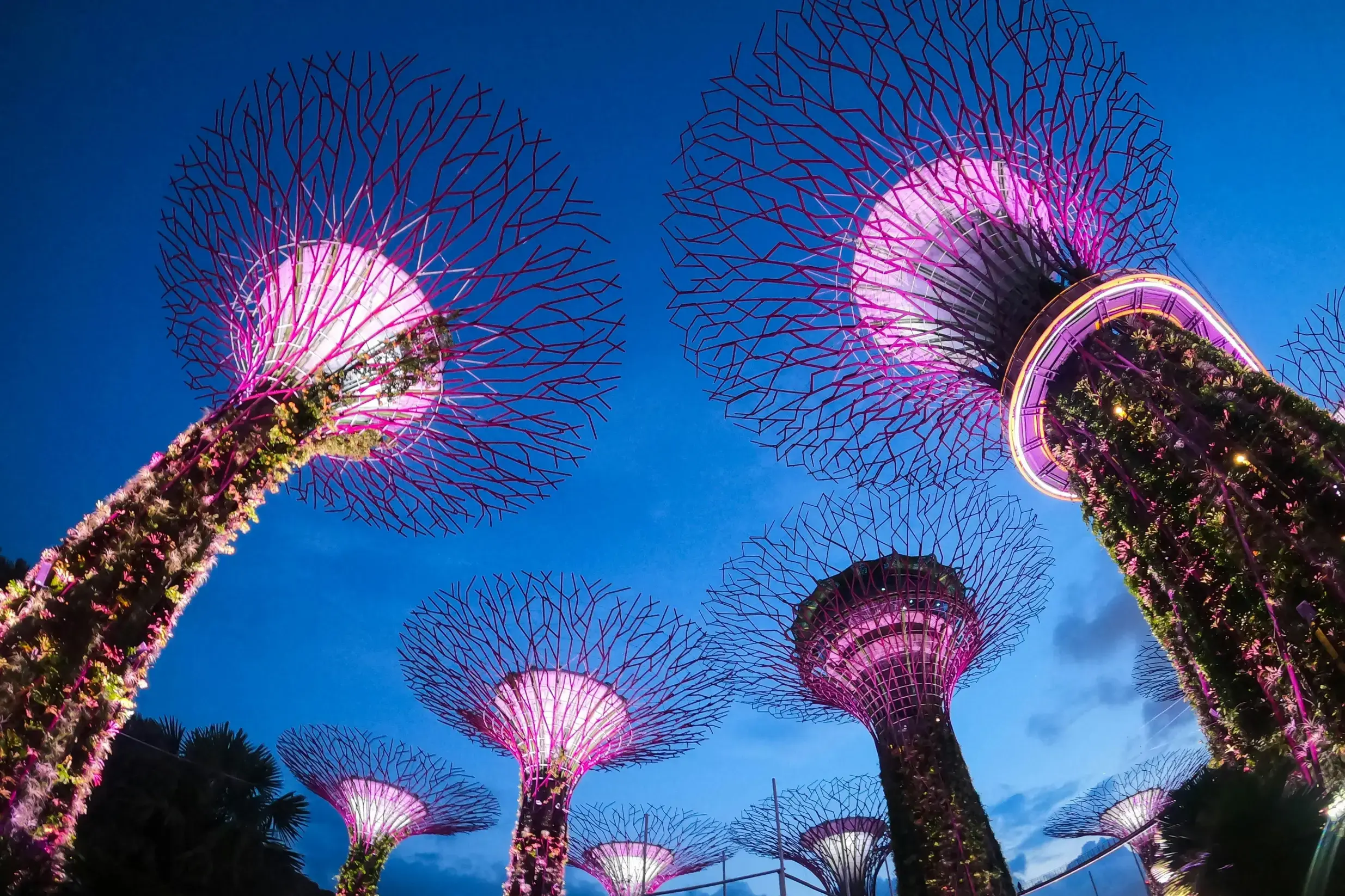
- One of Singapore’s most iconic landmarks, Gardens by the Bay is renowned for its futuristic Supertrees, the Cloud Forest, and the Flower Dome. This stunning park blends modern architecture with lush greenery, making it a must-see for nature lovers and photographers alike.
- Advantages: Spectacular botanical displays showcasing a blend of nature and technology. Offers stunning views of Singapore’s skyline, providing a breathtaking backdrop for visitors.
- Disadvantages: The park’s popularity can make it feel less tranquil compared to more hidden green spaces like the Singapore Botanic Gardens or Sungei Buloh Wetland Reserve. For a different perspective of Singapore’s skyline, visitors can also enjoy the view from a nearby rooftop bar.
2. Hawker Centers and Food Tours
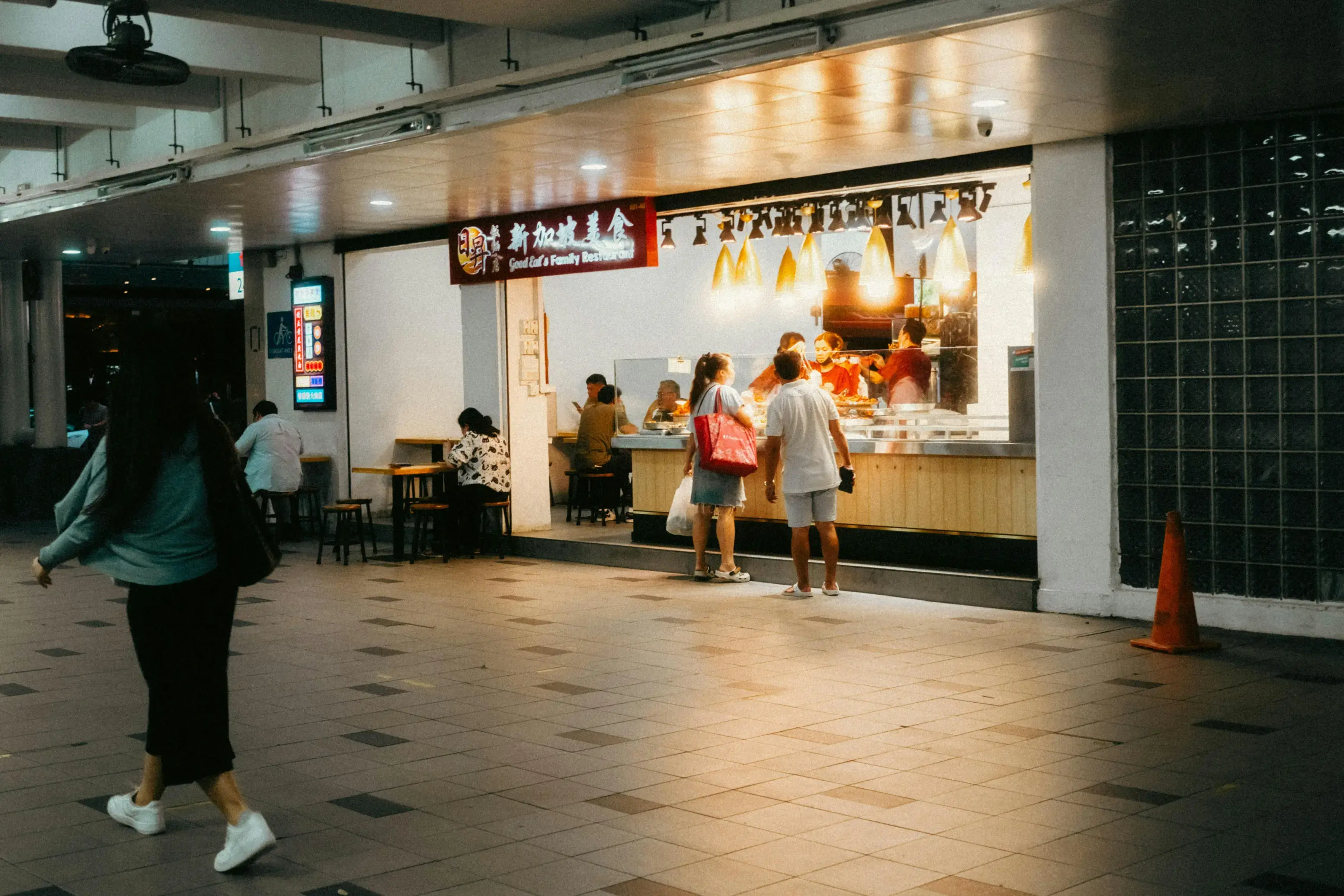
- Singapore’s hawker stalls and food courts, including must-visit spots like Airport Road and Tiong Bahru Market, are famous for serving great food that reflects the city’s rich culinary heritage. A food tour provides an excellent way to sample a variety of local dishes while learning about the culture behind these renowned culinary hotspots.
- Advantages: Access to authentic local food from diverse food stalls and street markets. Sampling delicious street food and street food is a highlight of the experience. Discover some of the best food in Singapore at these venues. Food tours offer cultural context and insider tips, enhancing the overall experience.
- Disadvantages: Popular hawker centers can be very busy, with long queues at famous stalls. Food tours can be pricey and sometimes rushed if covering multiple neighborhoods in a short time.
3. Haji Lane and Arab Street
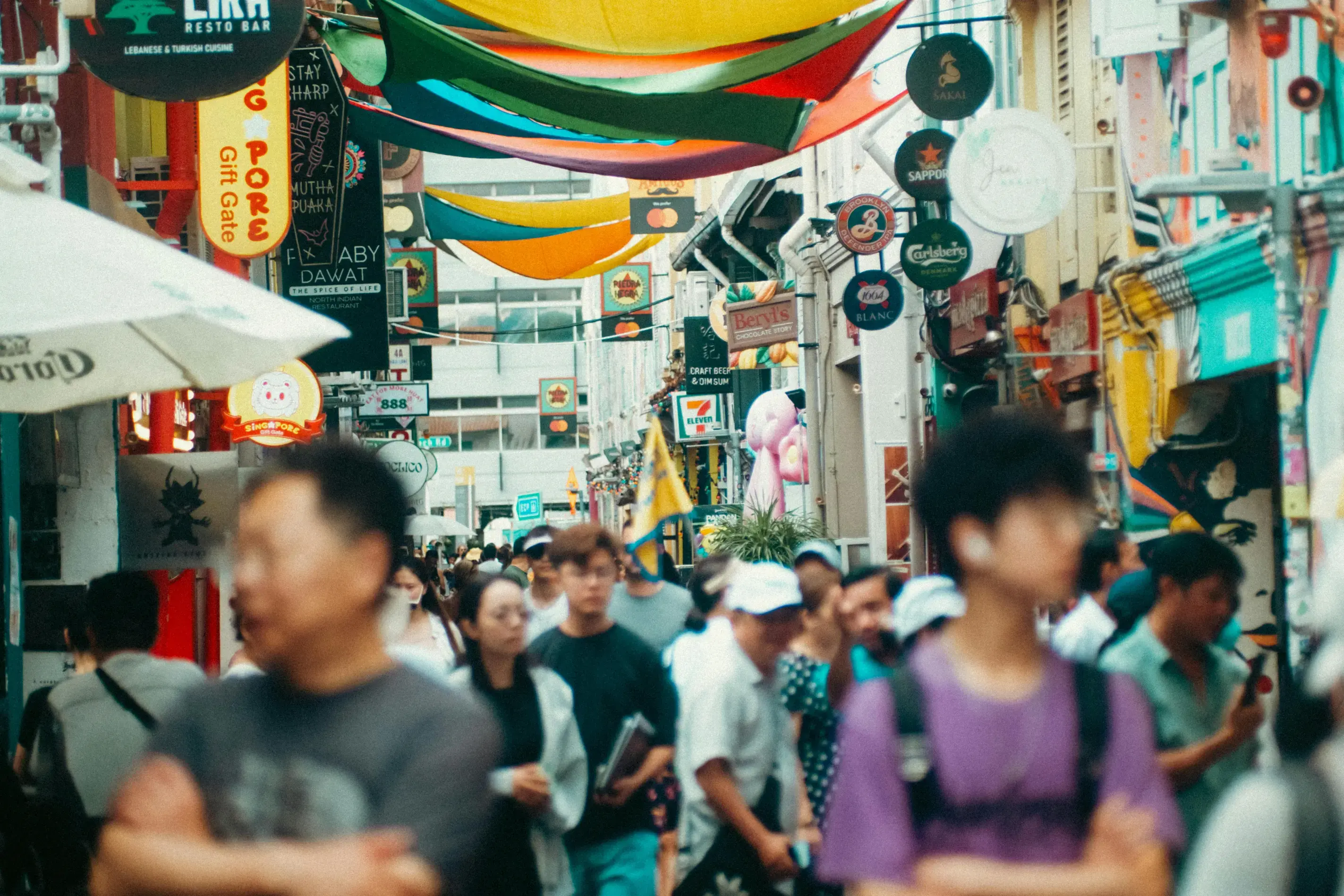
- Known for vibrant street art, indie boutiques, and quirky cafés, Haji Lane in the Kampong Glam district along with nearby Arab Street offers a unique blend of traditional Malay culture and modern creative flair. Little India is another must-visit neighborhood for cultural exploration, renowned for its colorful streets, Indian cuisine, and rich heritage.
- Advantages: Rich in Peranakan culture with colorful shophouses and narrow streets to explore. Pagoda Street in Chinatown is a similarly vibrant area, famous for its street food, cultural diversity, and lively atmosphere, especially at night.
- Disadvantages: Some shops may be pricey, catering more to niche markets and tourists. Limited dining options compared to larger food districts.
4. Singapore Botanic Gardens
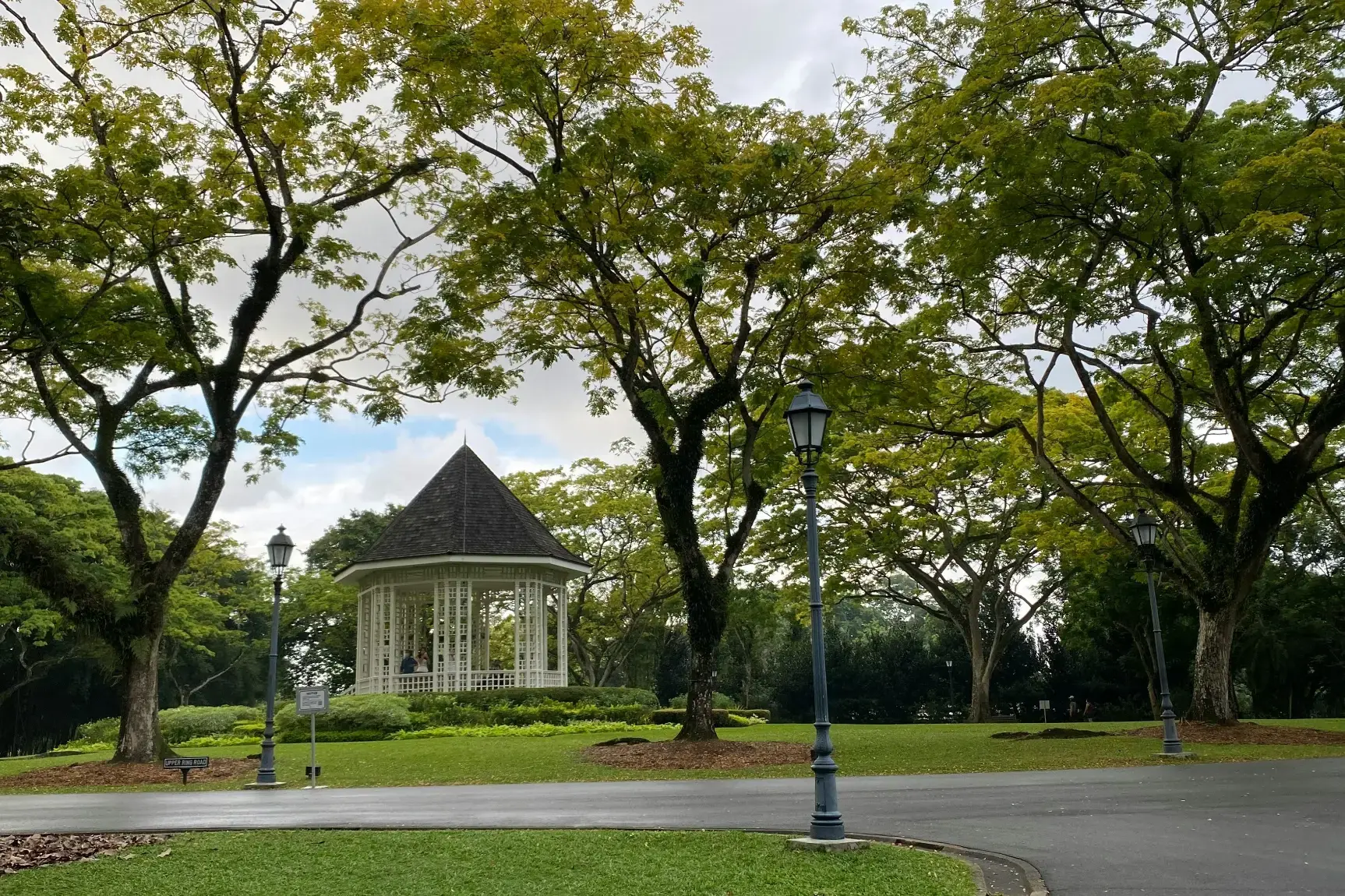
- A UNESCO World Heritage Site, the Singapore Botanic Gardens is a sprawling, historic park offering a peaceful retreat in central Singapore. It features heritage trees, lakes, and the famous National Orchid Garden.
- Advantages: Less commercialized and more tranquil compared to other parks. Pearl’s Hill City Park is another peaceful green space, known for its tranquil atmosphere, scenic views, and as a gathering spot for early morning Tai Chi and outdoor activities.
- Disadvantages: The large area may require significant walking, which could be tiring in Singapore’s heat. Some parts may feel less curated or exciting for visitors seeking more interactive attractions.
Balancing visits to these iconic tourist attractions with exploration of secret places in Singapore, such as Pearl’s Hill City Park, the Japanese Cemetery Park, or the Southern Ridges with its Forest Walk and Henderson Waves Bridge, will provide a richer, more authentic experience of this Lion City.
For those seeking panoramic views and outdoor exploration, Mount Faber Park is a scenic alternative, featuring elevated walkways and connections to other parks via the Henderson Waves bridge. Don’t miss iconic landmarks like Marina Bay Sands, the Buddha Tooth Relic Temple, and the Singapore River for a comprehensive understanding of Singapore’s past and modern Singapore’s vibrant culture.
The Silent (But Creative!) Way to Explore Singapore
These secret places in Singapore have taught me that escape is not about distance, but about perspective. It is about finding the quiet narratives that play out in the spaces between the skyscrapers.
For those seeking offbeat inspiration, Haw Par Villa stands out as a quirky, creative destination with its unique history and thematic displays. The city’s historic and creative cityscape also includes landmarks like the Supreme Court and Andrew’s Cathedral, which are well worth exploring for their architectural beauty and cultural significance.
I hope this journey inspires you to find your own secret spots. I would love to hear about the places that help you reflect on your craft and see our city in a new light.