
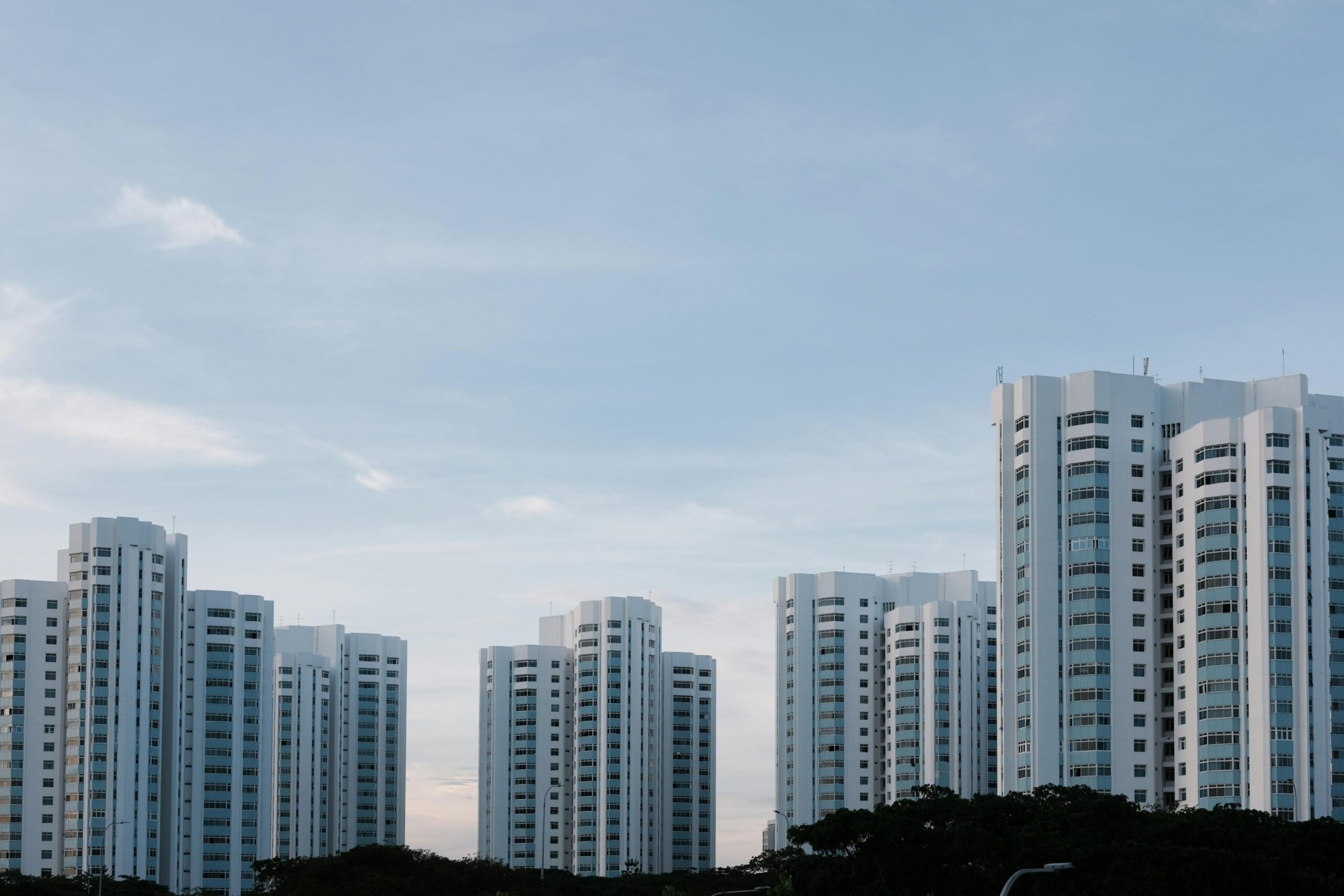
An image begins as a fleeting idea, a whisper of a concept. But to transform that idea into a tangible print, hung on a gallery wall for others to experience, is a journey of a thousand small steps. My “Heartlands” exhibition was the culmination of such a journey, a deeply personal project that took me from the quiet corners of my mind to the bustling housing estates of Singapore. It was a long road, filled with challenges, discoveries, and immense satisfaction.
This is the behind-the-scenes story of how the “Heartlands” photography series came to life. It is a look into the entire creative process, from the spark of inspiration to the final print. I want to share the technical details, the emotional highs and lows, and the lessons I learned along the way. This is not just about the final images, but about the dedication and passion that fuels this art form we call photography.
Reflecting on this journey, I recognize how much I have grown as an artist—developing my creativity, personal vision, and professional identity within the artistic community. And for those of you who follows on my journey here in SG Nomad Photographer, you are a part of my identity as well.
The Concept Phase: Finding the Soul of the Heartlands
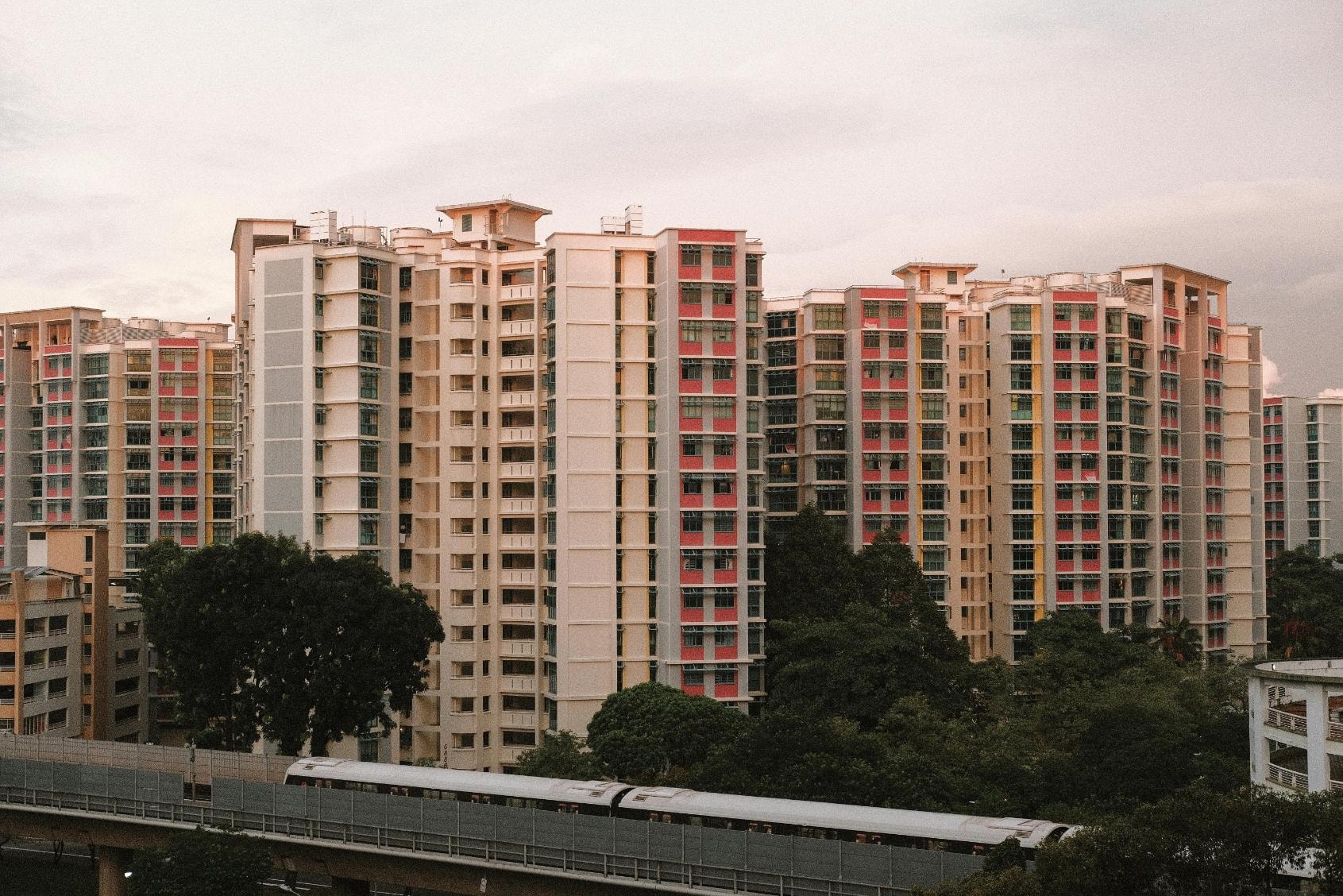
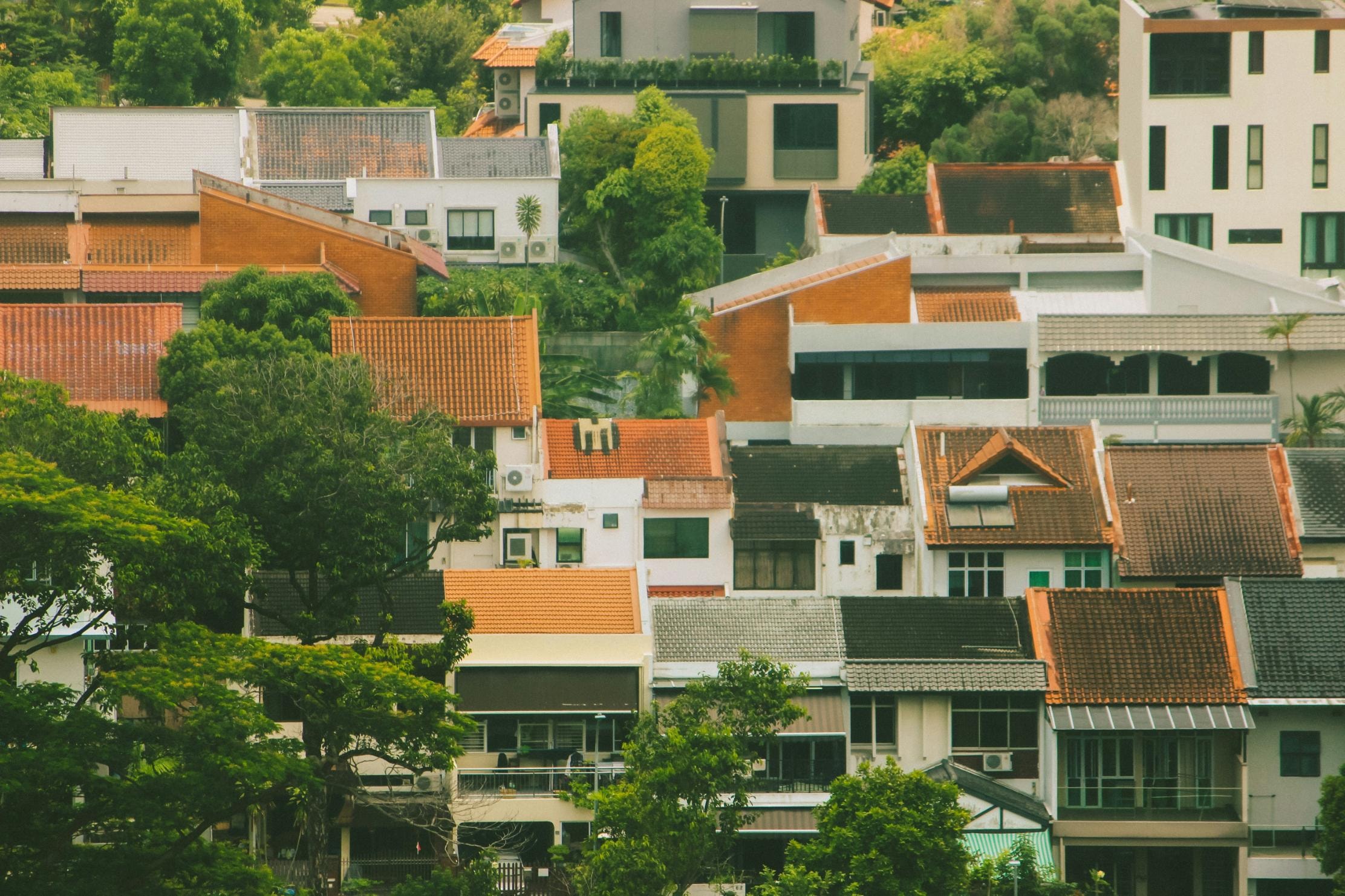
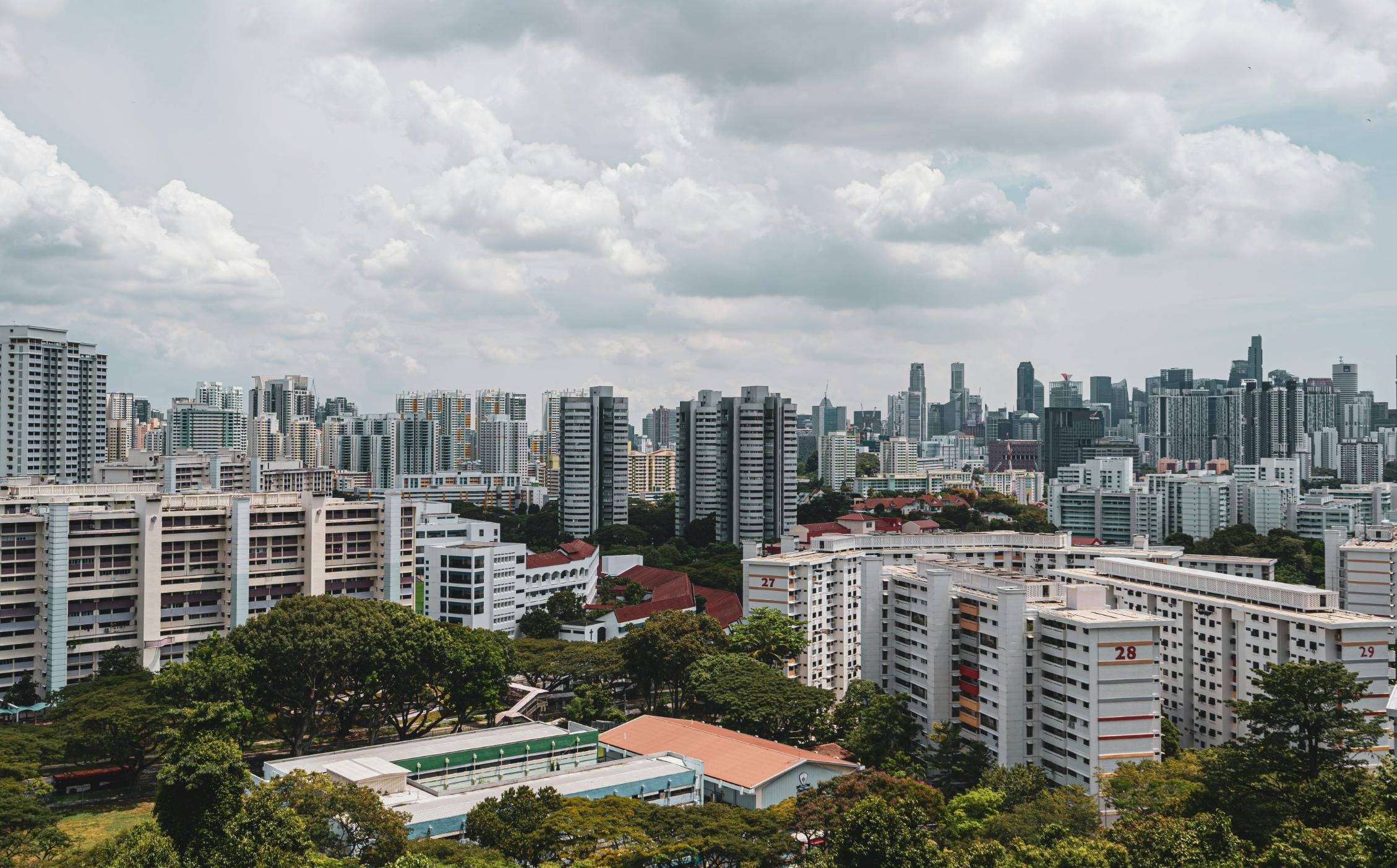
Every meaningful photography project starts with a “why.” For “Heartlands,” my why was deeply rooted in a sense of nostalgia and a desire to document the quiet, everyday beauty of Singapore’s public housing estates. I grew up in an HDB flat, and these spaces hold a profound significance for me. They are more than just concrete buildings; they are the backdrop to millions of lives, filled with shared memories and unspoken stories. My vision was to capture the soul of these neighborhoods, to look beyond the architecture and find the human element that makes them pulse with life. I often wonder how others might see these familiar spaces, and what stories they would imagine unfolding here.
The central theme was “intimate immensity.” I wanted to explore the contrast between the vast, sometimes impersonal scale of the HDB blocks and the intimate, personal moments that unfold within them. My research began not with a camera, but with a notebook. I spent weeks walking through different estates like Toa Payoh, Queenstown, and Ang Mo Kio, simply observing. I jotted down notes about the quality of light at different times of day, the flow of human traffic, and the small details that caught my eye, a potted plant on a corridor, a worn-out bench, the pattern of laundry lines. These early observations played a key role in shaping the direction of the project, helping me decide how best to approach each scene and what stories to highlight.
This pre-visualization process was crucial. I created mood boards, collected visual references, and sketched out potential compositions. I also considered how to develop a unique style for the project, ensuring that my photographic voice would be authentic and recognizable throughout. My personal connection to the subject matter was my guiding force. This was not just an exercise in architectural photography; it was an attempt to capture the feeling of home, community, and the subtle poetry of daily life in Singapore.
The Shooting Process: Chasing Light and Moments Through Professional Photography
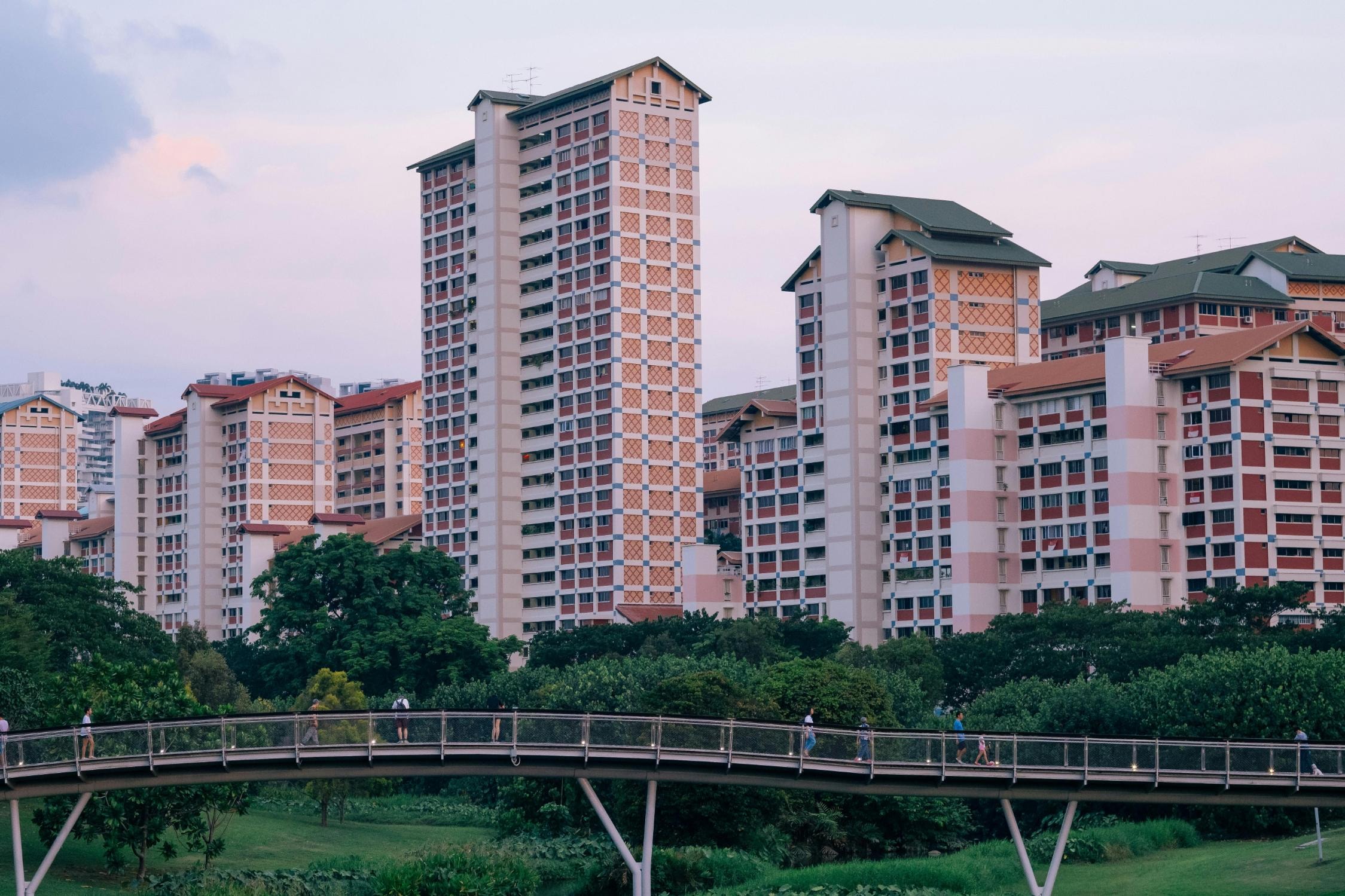
With a clear concept in mind, the shooting process began. My equipment choice was deliberate. I used a single prime lens, a 35mm f/1.4, for the entire project. The choice of lens and focal length directly influenced the style and focus of the images, allowing for subject isolation and a natural perspective. This constraint forced me to be more intentional with my framing and to physically move within the space to find my compositions. The wide aperture was essential for shooting in the often dim and challenging light of older void decks and corridors, allowing me to capture authentic moments without resorting to high ISOs or artificial lighting. Advances in technology and the use of high-quality lenses contributed to producing high quality images that met my standards. My goal was to make my photography as unobtrusive as possible.
Location scouting was an ongoing process. I would often return to the same spot multiple times, waiting for the perfect light or the right human element to complete the scene. The tropical weather was a constant challenge. A sudden downpour could halt a shoot, but it could also create beautifully reflective surfaces and a moody atmosphere. Patience became my most valuable tool. When composing each shot, I paid close attention to finding the best angles, using professional technique to ensure the best images possible.
One of the most memorable moments happened in an old estate in Tiong Bahru. I was trying to capture the play of late afternoon light on a spiral staircase when an elderly man slowly made his way down. He paused for a moment to catch his breath, perfectly framed by the architecture. That single, un-staged moment encapsulated the entire spirit of the “Heartlands” series. It was a reminder that the best photography often happens when you let go of control and simply react to the world around you. Photographing and capturing moments like this required technical skill, especially when taking pictures in different lighting conditions. Working with subjects, even incidental ones, required respect and subtlety. A nod and a smile were often all it took to gain their silent permission. The importance of timing and focus was crucial in getting the perfect shot.
Reflecting on the process, photographing in the heartlands was both challenging and fun, making each session a memorable experience.
Post-Production and Curation: Weaving the Narrative as a Professional Photographer
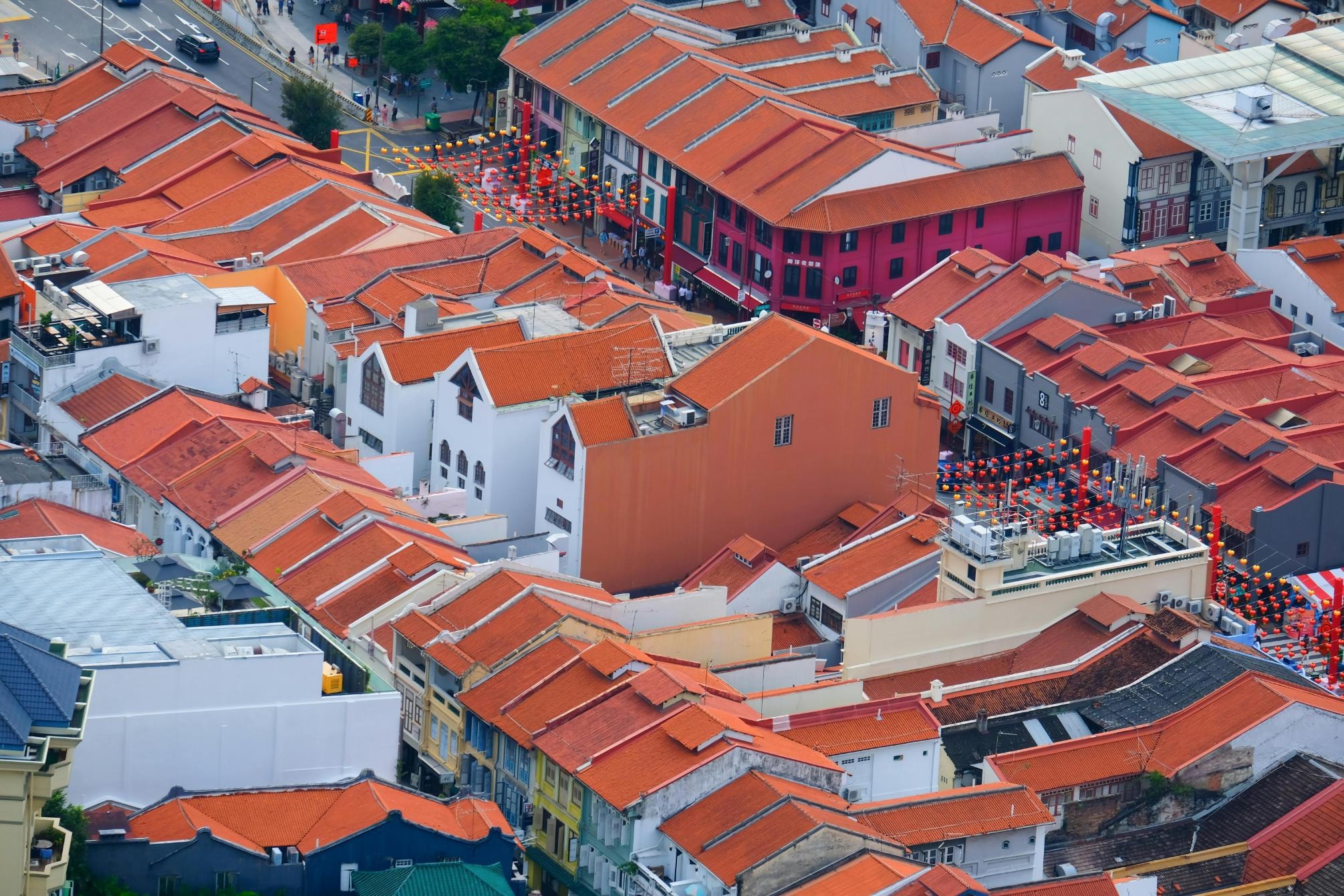
The shooting phase yielded thousands of images. The next step, post-production, was where the visual narrative of the exhibition began to take shape. My editing philosophy for this project was “enhance, don’t invent.” I wanted the final images to feel authentic and true to the moment they were captured. My workflow in Adobe Lightroom focused on adjusting tones, contrast, and sharpening to bring out the textures and mood I experienced on location. I paid special attention to adjusting exposure and enhancing the best features of each image, ensuring that highlights and shadows were balanced and that each subject’s most striking aspects stood out. I developed a consistent color grade for the entire series, a slightly desaturated palette with warm undertones, to create a cohesive and nostalgic feel.
Culling the images was perhaps the most difficult part of the entire process. I had to be ruthless. An image might be technically perfect, but if it did not serve the central theme or emotional arc of the exhibition, it had to be cut. I considered a wide range of images during this process, evaluating how each contributed to the story. The editing process helped produce a final narrative that was both cohesive and impactful. I printed small 4×6 versions of my top fifty images and laid them out on my floor. This physical interaction allowed me to see how the images flowed together.
I started to group them into smaller sub-themes: “Corridors of Life,” “Void Deck Solitude,” “Windows to the World.” This process of sequencing and curating transformed the collection of individual photographs into a singular, powerful story. I carefully considered the pacing, creating a rhythm of wide shots and intimate details to guide the viewer through the exhibition. The features of each image played a key role in shaping the overall story, with their unique qualities contributing to the exhibition’s emotional impact. Preparing the final high-resolution files for printing was the last technical hurdle, ensuring every detail was perfect.
The Printing Journey: From Pixels to Paper Inside a Photo Studio
There is a unique magic in seeing your digital work transformed into a physical print. It is the moment when a photograph truly comes alive. For “Heartlands,” the choice of paper was critical. I worked closely with a professional printer to select a paper that would complement the mood of the series. We settled on a heavyweight, matte fine art paper with a subtle texture. This paper absorbed the light beautifully and gave the images a soft, painterly quality that enhanced their emotional impact.
The collaboration with the printer was invaluable. The professional printing service provided expert guidance and attentive support throughout the process, ensuring the highest level of print quality and customer satisfaction. We went through several rounds of test prints, a process known as proofing, to ensure the colors and tones on the print perfectly matched what I saw on my calibrated monitor. Color management is a highly technical aspect of photography that is often overlooked, but it is essential for achieving a faithful reproduction of your vision.
Holding that first final print in my hands was an emotional experience. After months of conceptualizing, shooting, and editing on a screen, the image was finally a real, tangible object. It had weight, texture, and a physical presence. When framing the print, the use of high-quality glass in the frame not only protected the photograph but also enhanced its presentation, allowing the viewer to fully appreciate the details and depth of the image. This step is a crucial part of the photography journey, a final act of commitment to the image.
Exhibition Preparation and Presentation: A Photography Session
The final phase was preparing the prints for the gallery wall. The choices of framing and matting are not just decorative; they are an extension of the artwork itself. I chose simple, clean black wooden frames with a wide white mat. This classic presentation was designed to draw the viewer’s eye directly to the photograph without any distraction. The mat provided breathing room, isolating each image and giving it the importance it deserved.
Planning the layout within the exhibition space was another creative challenge. I worked with a floor plan of the gallery to map out the placement of each piece. The goal was to create a journey for the viewer, with a clear beginning, middle, and end. I was fortunate to collaborate with a dedicated and experienced team, whose expertise in exhibition setup, lighting, and presentation helped bring the exhibition to life. The final setup involved careful measurement, leveling, and lighting adjustments to ensure each photograph was presented at its absolute best. Seeing the entire “Heartlands” series hung on the walls was the culmination of everything.
Conclusion
From a simple idea scribbled in a notebook to a full-fledged exhibition, the “Heartlands” project was a marathon of passion, patience, and persistence. It taught me invaluable lessons about the importance of a strong concept, the discipline of the creative process, and the profound satisfaction of bringing a vision to life.
This journey reaffirmed my belief in the power of photography to tell stories, to preserve memories, and to find beauty in the ordinary. I hope this behind-the-scenes look inspires you to embark on your own personal projects as a nomad photographer, and to see them through, from concept all the way to the final, beautiful print.