
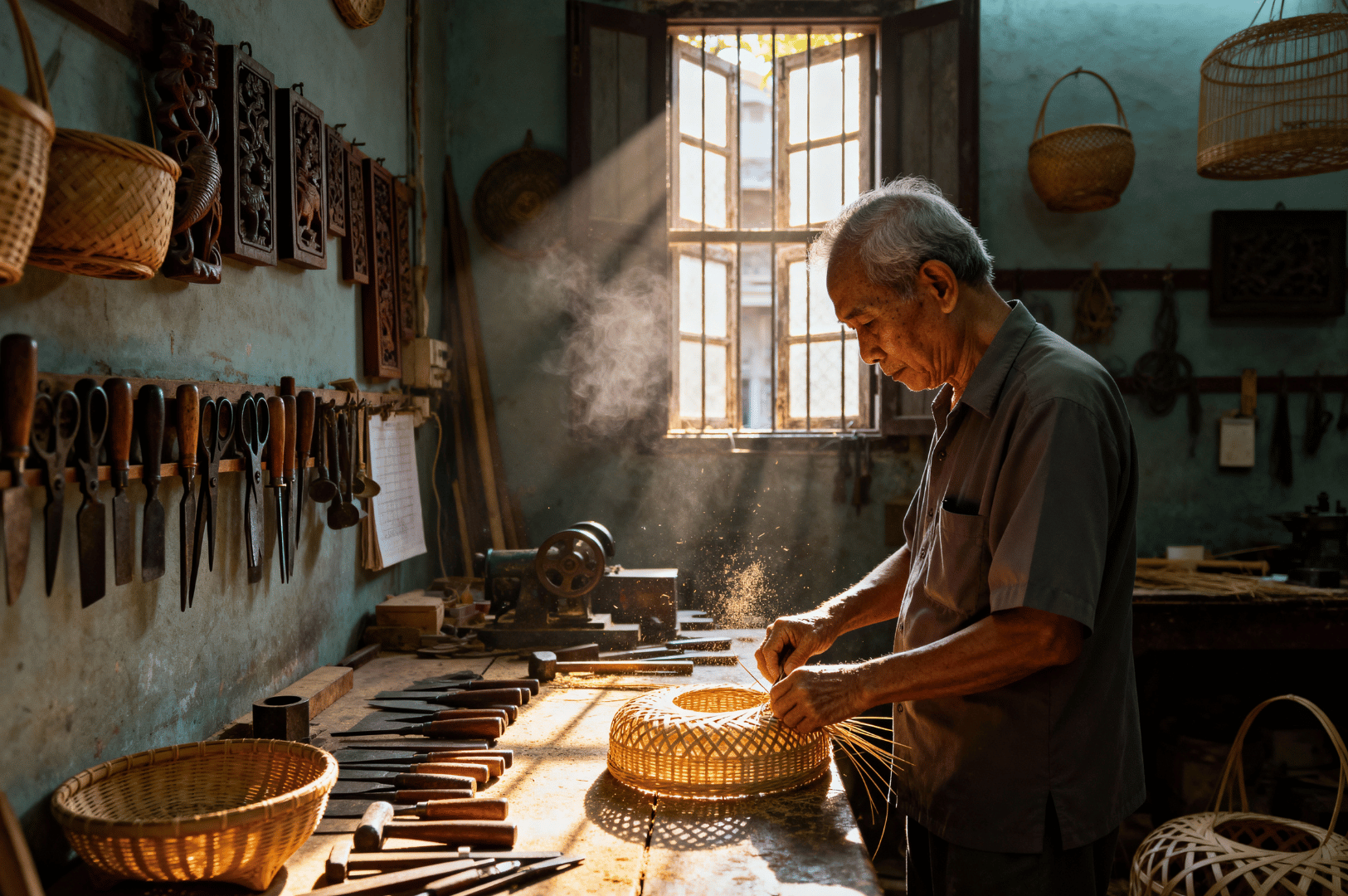
As a photographer in Singapore, my journey has taken me through urban skylines and bustling markets, but nothing has drawn me in quite like the intricate world of Singapore traditional crafts. These art forms, rooted in our local culture, are slowly fading—victims of modernity and shifting priorities. Each time I raise my camera, I am reminded that every shutter button pressed is a step in preserving a part of our cultural significance, capturing the lives, skills, and artistry of a dying trade.
Meeting the Masters: Stories Behind Every Craft
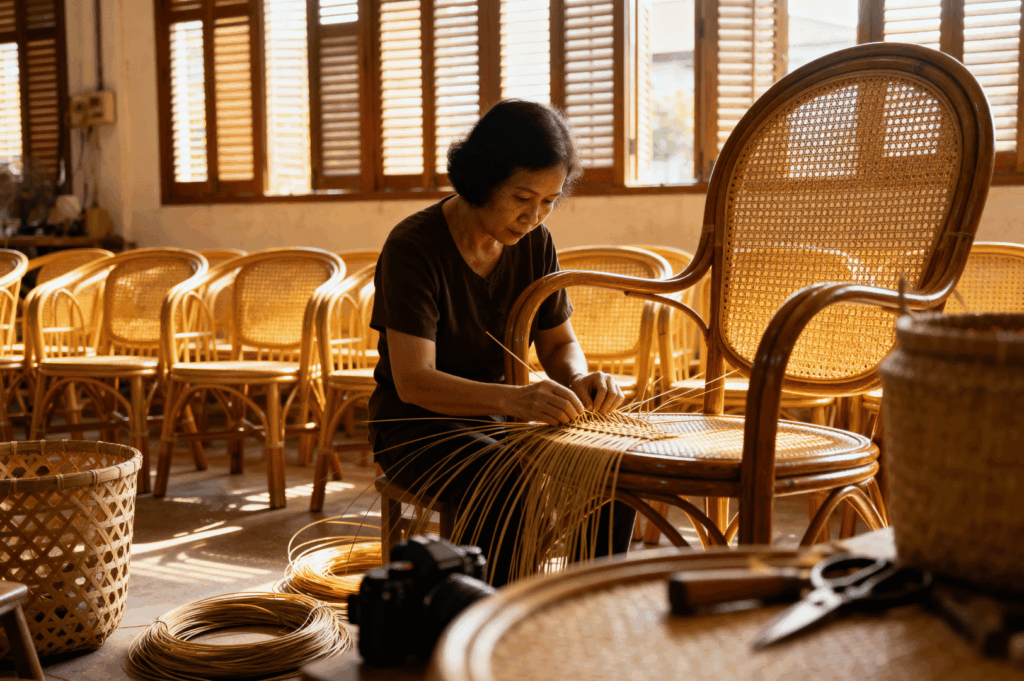
Exploring the narrow lanes and bustling neighborhoods of Singapore reveals more than just shops and eateries. In quiet studios and modest workspaces, art and tradition are kept alive by dedicated hands—Singapore’s craftspeople. Each encounter teaches me about the unique offerings and range of traditional crafts, from furniture-making to delicate embroidery.
Ng Si Ying and Rattan Weaving
One such visit introduced me to Ng Si Ying, a third generation owner of a humble rattan weaving business. Her studio is lined with rattan chairs, baskets, and handmade furniture, each telling a story of perseverance. The process—starting with the climbing palm harvested across Southeast Asia—requires patience, strength, and a deep understanding of the material. She described how, in the early days, rattan furniture was a common sight in Singaporean households and roadside barbershops, before the market shifted to mass production and cheaper alternatives. Today, rising costs and waning demand threaten the survival of her craft.
The Growing Challenges Facing Traditional Crafts
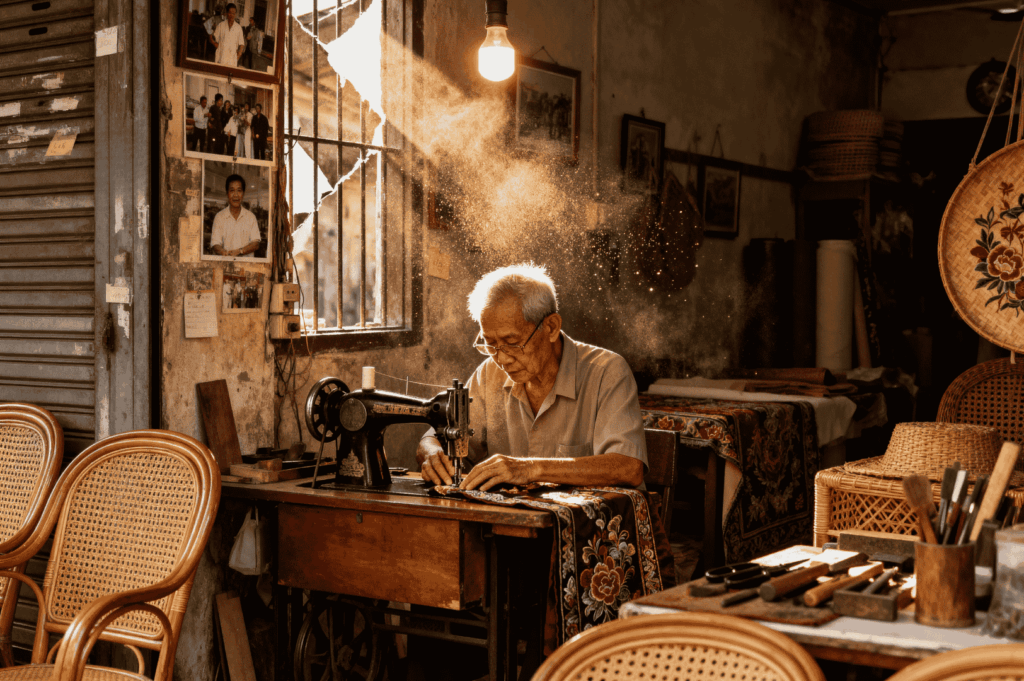
The decline of Singapore traditional crafts cannot be separated from the challenges craftsmen face every day. Modern society prizes efficiency and formal education, pushing younger generations away from careers in traditional crafts. As aging craftspersons retire, the shortage of successors becomes dire. Many businesses are run by elder artisans—true masters of their age—left to wonder whether their knowledge and skills have a future.
Rising costs for materials, rent, and utilities add to their burden. The influx of mass-produced goods, a hallmark of the modern market, has diminished the value of handmade offerings. What was once fashionable—rattan chairs, hand-embroidered clothing, or intricate beadwork—now competes with imported alternatives. As shop owners struggle to survive, their workshops become time capsules of technique and passion, rather than vibrant centers of production.
Participating in and teaching workshops or classes is one way some artists seek to pass on their skills. Yet, the interest level among modern-day participants is often fleeting. The relentless pace of Singaporean life leaves little space for the slow, deliberate process that true craftsmanship demands.
Why Photography Matters: Preserving Heritage Through Images
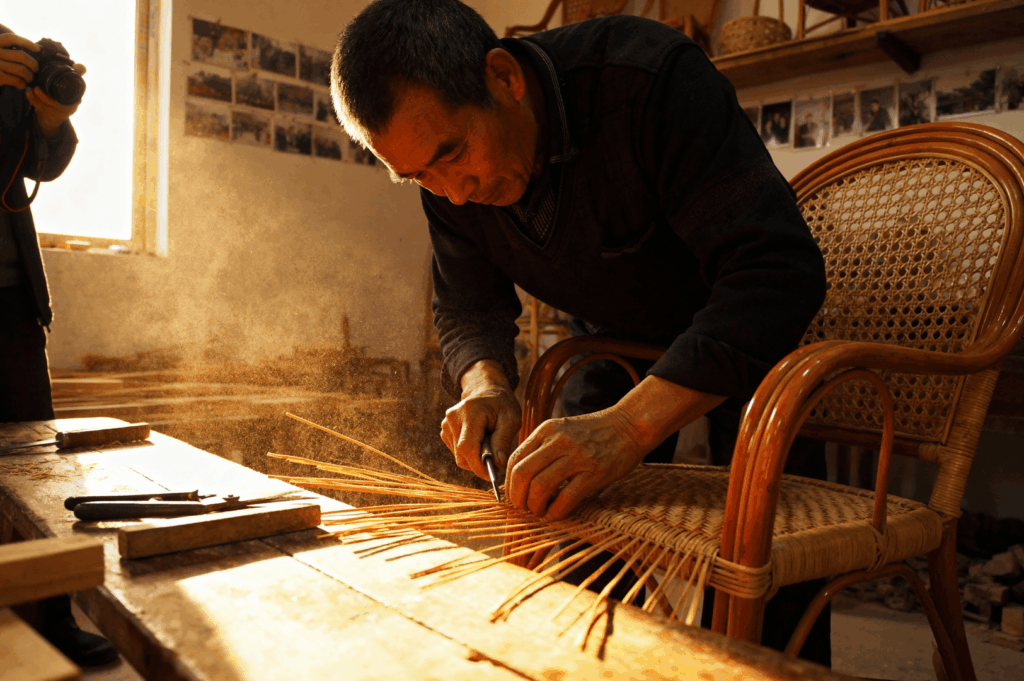
Photography has the power to offer more than artistic images; it allows us to create an enduring record of tradition and culture. As I embark on this project, I see each photograph not just as a picture, but as a testimony to craftsmanship, struggle, and hope. Through pictures, we capture the passionate artist at work, the texture of raw rattan, the colorful intricacies of embroidery, the quiet dignity of the craftsman’s studio.
Documenting these artisans offers the rest of Singapore—and indeed the world—a glimpse into cultural significance that could otherwise be forgotten. With every workshop visit and photograph taken, I am reminded of the richness embedded in these practices and the urgency of our project. It is through these efforts that we can ensure our local culture, practices, and the stories behind each handmade piece endure.
Looking Forward: Keeping Passion and Heritage Alive
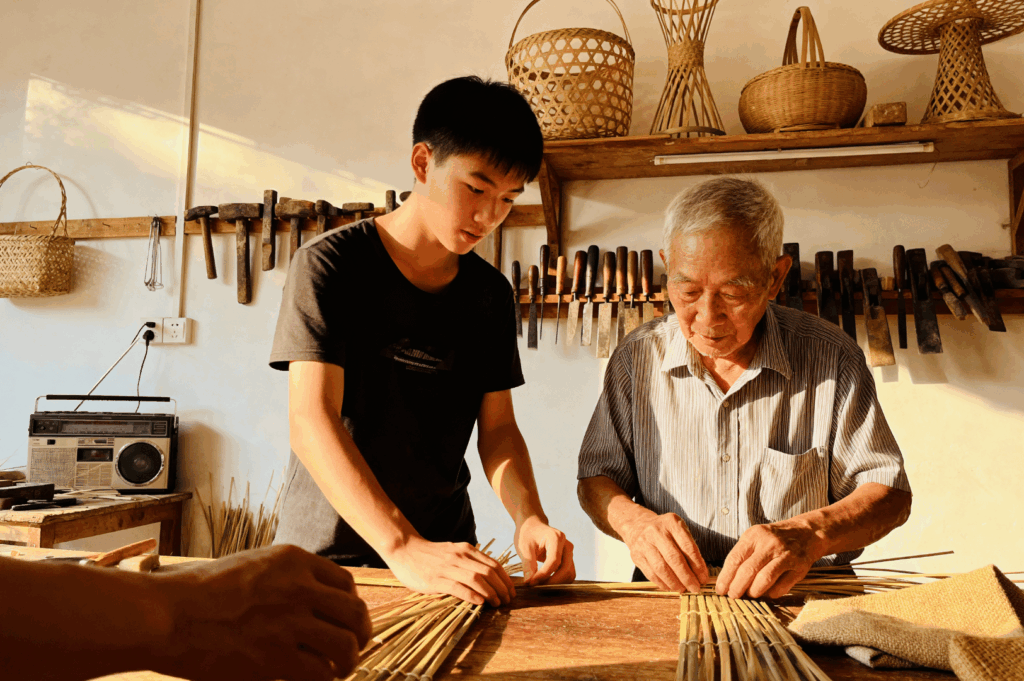
Preserving Singapore traditional crafts is a collective responsibility. As craft continues to decline in the face of modern challenges, artists, participants, and anyone passionate about heritage must band together to create hope for the future. My hope is that through workshops, classes, and photo documentation, more people will come to appreciate the effort and knowledge behind each art form. Every photo shared and story told is a call to keep our traditions alive and relevant for generations yet to come. Countries like Japan have successfully preserved their traditional crafts through workshops and cultural initiatives, serving as inspiration for Singapore.
If you know of any craftspeople, workshops, or art forms that deserve to be documented, I invite you to reach out. By supporting the crafts, businesses, and lives of those who still practice them, we not only honor our history but help shape the enduring image of Singapore’s cultural heritage for the future. Traditional crafts are also finding new life in contemporary fashion, making them relevant to younger generations. We not only honor our history but help shape the enduring image of Singapore’s cultural heritage for the future.