
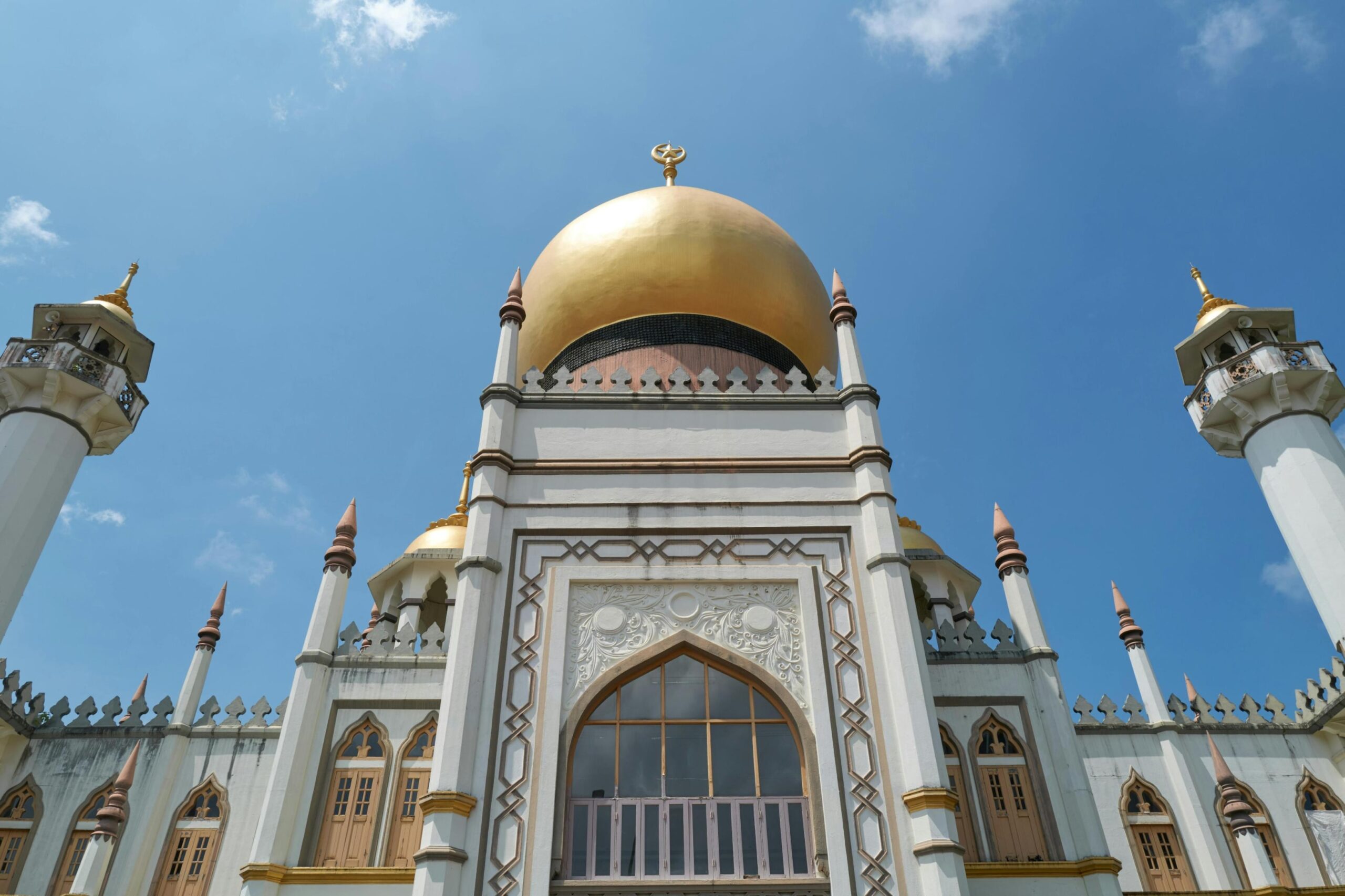
Singapore is a city defined by its relentless pursuit of the future. Yet, beneath the shimmer of its modern skyline lies a rich tapestry of history, a collection of stories etched into old walls and quiet lanes.
As a photographer, I find myself drawn to the spaces where these two worlds collide, the seams where past and present are stitched together. My passion lies in finding Singapore hidden spots where you can capture this profound contrast in a single, evocative frame. These are not the locations you will find on postcards; they are the quiet corners and overlooked vistas that tell a more complex and interesting story about our nation’s identity.
This photo essay is a journey to those very spots. We will venture off the beaten path to explore Singapore secret places where colonial-era architecture stands in the shadow of contemporary design, and where tranquil nature pushes back against the encroaching city. It is in these juxtapositions that the true character of Singapore reveals itself, offering a visual feast for the discerning photographer.
From Fort Canning Park to Kampong Glam: Singapore’s Echoes of Past and Symbolic Modernity
I would say that I have gone through most places in Singapore wherein I would be amazed of how a place could easily depict the beauty of its past and local colors while also exhibiting the advancement of the country that they have reached over the years. I have seen Andrew’s Cathedral, Marina Bay Sands, Singapore Botanic Gardens, Pearl’s Hill Terrace, Koon Seng Road, and many more. These spots all hide in plain sight, in narrow streets, and sometimes even muddy trails. For history buffs like me who enjoy exploring the country rather than listening to a local guide, I would say that the best hidden places in Singapore hold the most stories of all. The secret places that not a lot ventures to, the ones you see as a little red dot on the map, or come across in a short walk, or catch your attention while standing at a bus stop—those are the stories worth looking at and capturing in photographs. These hidden gems reveal the city’s true character beyond the main tourist spots.
Photography in itself is a medium that carries culture and silent narratives that pay homage to the colors surrounding your subject. And for such a colorful country like Singapore, I have realized how a forest walk or a private tour of your own could not only uncover hidden Singapore’s parks or its hidden quarry but also offer a front seat to how Singapore creates a bridge between the past and future. So, when you’re visiting Singapore, put these best hidden gems on your list!
Where Past and Future Collide: 5 Secret Places in Singapore
1. The Wessex Estate: Colonial Charm Meets Artistic Soul
The Scene: Tucked away in the quiet greenery off Portsdown Road lies the Wessex Estate, a cluster of black-and-white colonial bungalows and walk-up apartments built in the 1930s and 40s for British non-commissioned officers. These buildings exude a quiet, nostalgic charm and showcase classic art deco architecture. This area feels like a time capsule, yet it pulses with modern creativity, as many homes now serve as studios for artists.
The Contrast: The visual story here captures the collision of rigid colonial architecture with vibrant, often abstract, expressions of modern art. A photograph can frame the stark, geometric lines of a black-and-white bungalow, its monochrome simplicity interrupted by brightly colored sculptures or contemporary paintings visible through open windows.
Why It’s Off the Beaten Track: This residential area has no major tourist attractions, so it remains largely unvisited by most tourists. Exploring Wessex Estate feels like discovering one of Singapore’s true hidden gems, a secret place where colonial history and artistic soul converge.
Photography Tips:
- Use a mid-range lens (35mm or 50mm) to create environmental portraits that include artistic elements.
- The best time to visit is on a weekday afternoon when soft light reveals contrasts between peeling paint and modern art installations.
- Always be respectful as these are private homes and studios.
2. Gillman Barracks: Military History Reimagined
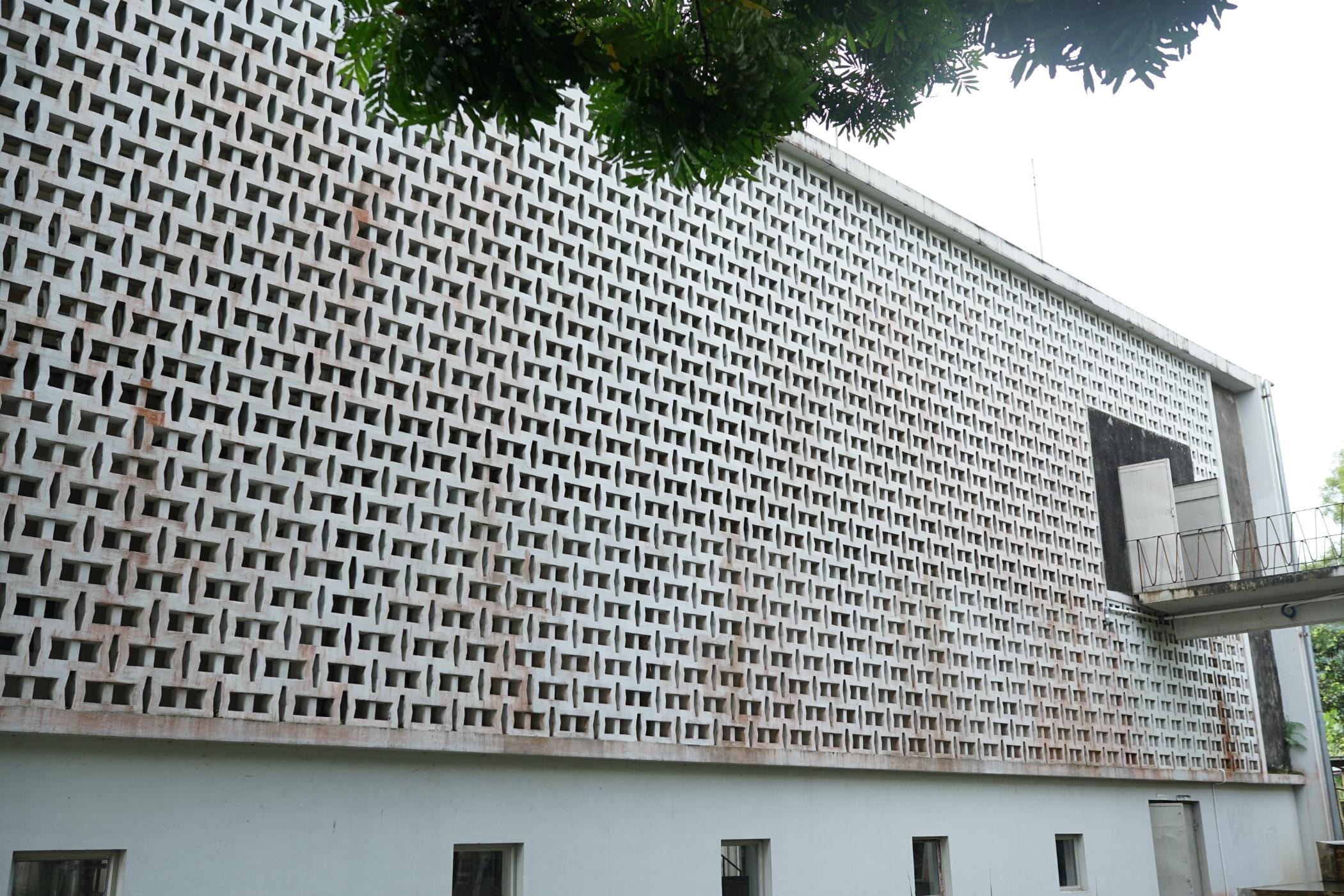
The Scene: Once a British military barracks built in 1936, Gillman Barracks has transformed into a contemporary arts cluster. The sprawling compound features perfectly preserved colonial buildings showcasing art deco architecture, now home to some of the world’s leading art galleries. The rigid, uniform layout provides a stark backdrop for dynamic, thought-provoking art.
The Contrast: The key shot frames the imposing structure of a military block alongside vibrant contemporary art inside. This contrast highlights the shift from order and discipline to creative freedom and expression.
Why It’s Off the Beaten Track: Known mainly within the art community, it is not on the typical tourist trail. Its slightly removed location keeps tourist crowds thin, allowing uninterrupted exploration of Singapore hidden gems.
Photography Tips:
- Visit during late afternoon golden hour to capture long shadows and textured walls.
- Play with reflections after rain showers for artistic compositions.
- Use wide-angle lenses for scale and prime lenses for detailed shots.
3. Kampong Lorong Buangkok: The Last Village
The Scene: Kampong Lorong Buangkok is Singapore’s last surviving traditional fishing village on mainland Singapore. This cluster of simple, zinc-roofed wooden houses surrounded by lush vegetation stands in stark contrast to the urbanized landscape.
The Contrast: Photographs that frame the rustic kampong homes against towering modern HDB flats tell a powerful story of Singapore’s rapid development and what has been left behind. This is one of the most poignant secret places in Singapore.
Why It’s a Secret Place: With no signs or tourist facilities, the single, unassuming access path makes it a true hidden gem, rarely visited by most tourists.
Photography Tips:
- Use a telephoto lens to compress perspective and emphasize the looming modern skyline behind the village.
- Morning light creates a nostalgic atmosphere and captures residents’ daily routines.
- Respect privacy: keep distance, avoid entering private yards without permission.
4. Rail Corridor (Old Bukit Timah Railway Station)
The Scene: The Rail Corridor is a 24km green corridor following Singapore’s old railway line. The beautifully restored Bukit Timah Railway Station, with its preserved station building, tracks, and steel truss bridges, stands as a monument to Singapore’s past.
The Contrast: The juxtaposition of rustic industrial railway elements against surrounding untamed nature, along with views of gleaming modern condominiums in central Singapore, creates compelling photographic opportunities.
Why It’s Off the Beaten Path: Though increasingly popular, many sections remain quiet and unexplored, offering peaceful escapes from tourist crowds.
Photography Tips:
- Use railway tracks as leading lines for composition.
- Steel truss bridges provide framing and depth.
- Overcast days enhance textures of rusty metal and weathered wood.
5. Chek Jawa Wetlands from the Sea
The Scene: While Pulau Ubin is a known destination, approaching Chek Jawa Wetlands by boat or kayak from the Changi Point Ferry Terminal offers a unique perspective. From the water, you can capture the natural beauty of the coastal boardwalk and mangrove forests.
The Contrast: The frame contrasts Singapore’s protected natural heritage with the industrial skyline of Pasir Panjang port in the distance, highlighting the city’s dual identity as a green oasis and global shipping hub.
Why It’s a Secret Place: Most visitors explore Chek Jawa by land; taking to the water requires extra effort, making this viewpoint a rare Singapore hidden gem.
Photography Tips:
- Sunrise or sunset boat trips provide dramatic warm light.
- Use a polarizing filter to reduce water glare and deepen sky and foliage colors.
- Zoom lenses help switch between wide establishing shots and telephoto compressed views emphasizing contrast.
Exploring Most of the Hidden Gems in Singapore
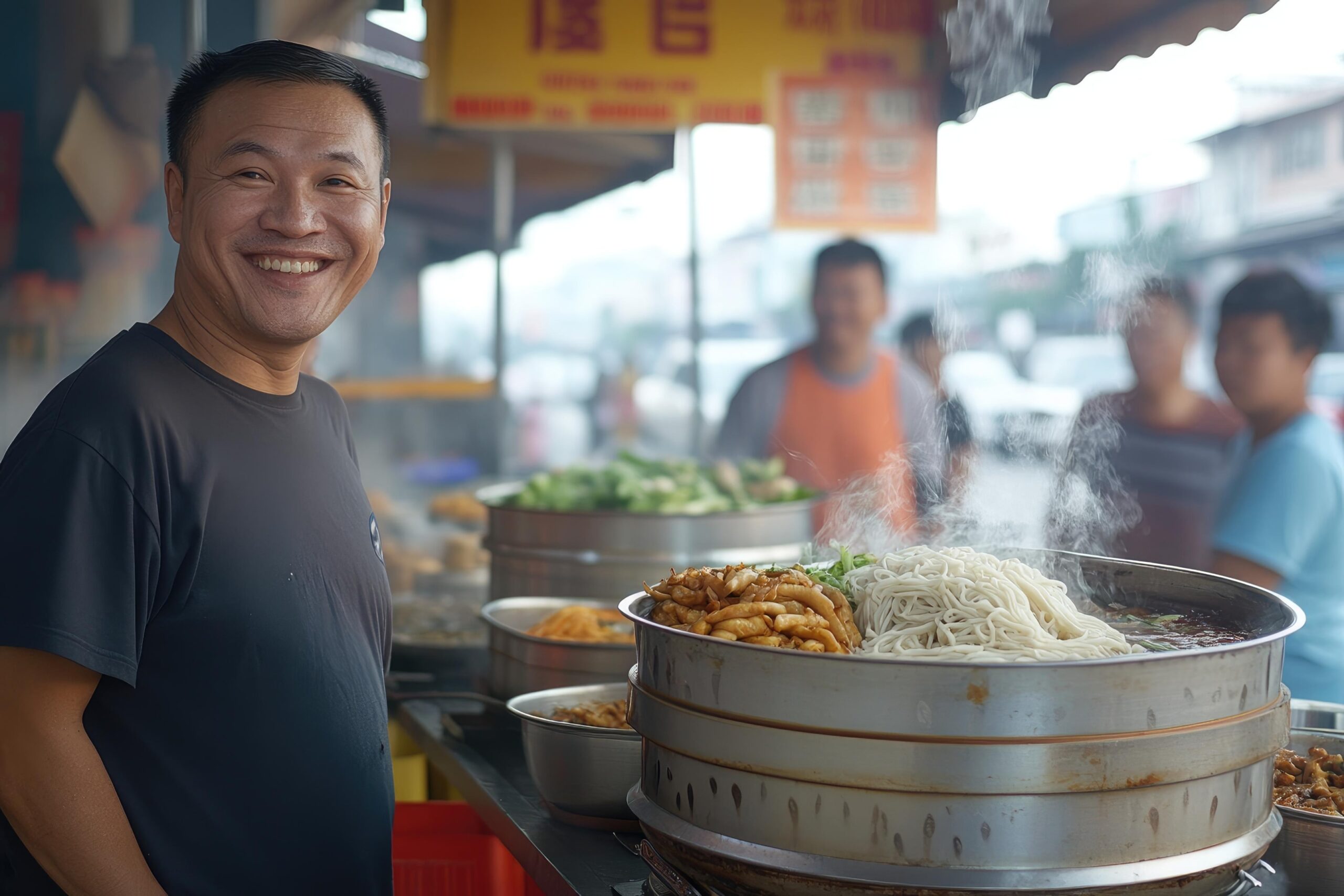
Exploring these places that Singapore hidden gems reveals not just history but also local wildlife, street art, and the vibrant local food scene found in hawker centers and food stalls scattered throughout the city center. The communal dining experience at a hawker center is a must-try, where locals and visitors gather at shared tables to enjoy a variety of dishes in a lively atmosphere. Whether wandering through the historic Civic District, the bustling streets of Little India, or the pastel-colored shophouses along Koon Seng Road, each location offers a unique glimpse into Singapore’s rich peranakan culture and the delicious street food that defines the city. Don’t miss Tiong Bahru Market, a popular breakfast and local cuisine destination, or the great food at hawker centers, which is both authentic and flavorful.
Visiting Singapore is not just about the popular tourist attractions but also about discovering these secret places that embody the spirit of Southeast Asia’s dynamic city. In Chinatown, Pagoda Street is a lively area filled with restaurants, food vendors, and street attractions, while the Buddha Tooth Relic Temple offers a serene and significant temple experience. Haji Lane is a must-visit spot for vibrant street art, boutique shopping, and cultural atmosphere in Kampong Glam.
Most hidden gems also include lesser-known spots like Pearl’s Hill Terrace, Bukit Timah Nature Reserve, and the Old Airport Road Food Centre, where you can savor authentic local food such as curry puffs and cai png shop meals. Venturing off the beaten path to places like the former Seletar Camp’s makeshift canteen, Boh Geh Uncle Canteen, and the Seng Chew Quarry offers a more intimate experience of Singapore’s past and present. The Boh Geh Uncle Canteen is located on the site of the former Seletar Camp, adding a layer of historical context to your visit. A traditional drinks stall is often part of these rustic canteens, providing simple beverages in a nostalgic setting.
For those interested in traditional communities, Seletar Fishing Village stands out as the last fishing village in Singapore, offering a glimpse into the island’s maritime heritage. For nature lovers, the Southern Ridges and East Coast Park provide scenic escapes, while Nanyang Lake and Yunnan Garden—located in the far west of Singapore—are tranquil, culturally inspired parks with beautiful landscapes and heritage features. After a day of exploration, unwind at a rooftop bar or take a dip in a rooftop pool for stunning city views and refreshment.
The Story in the Contrast
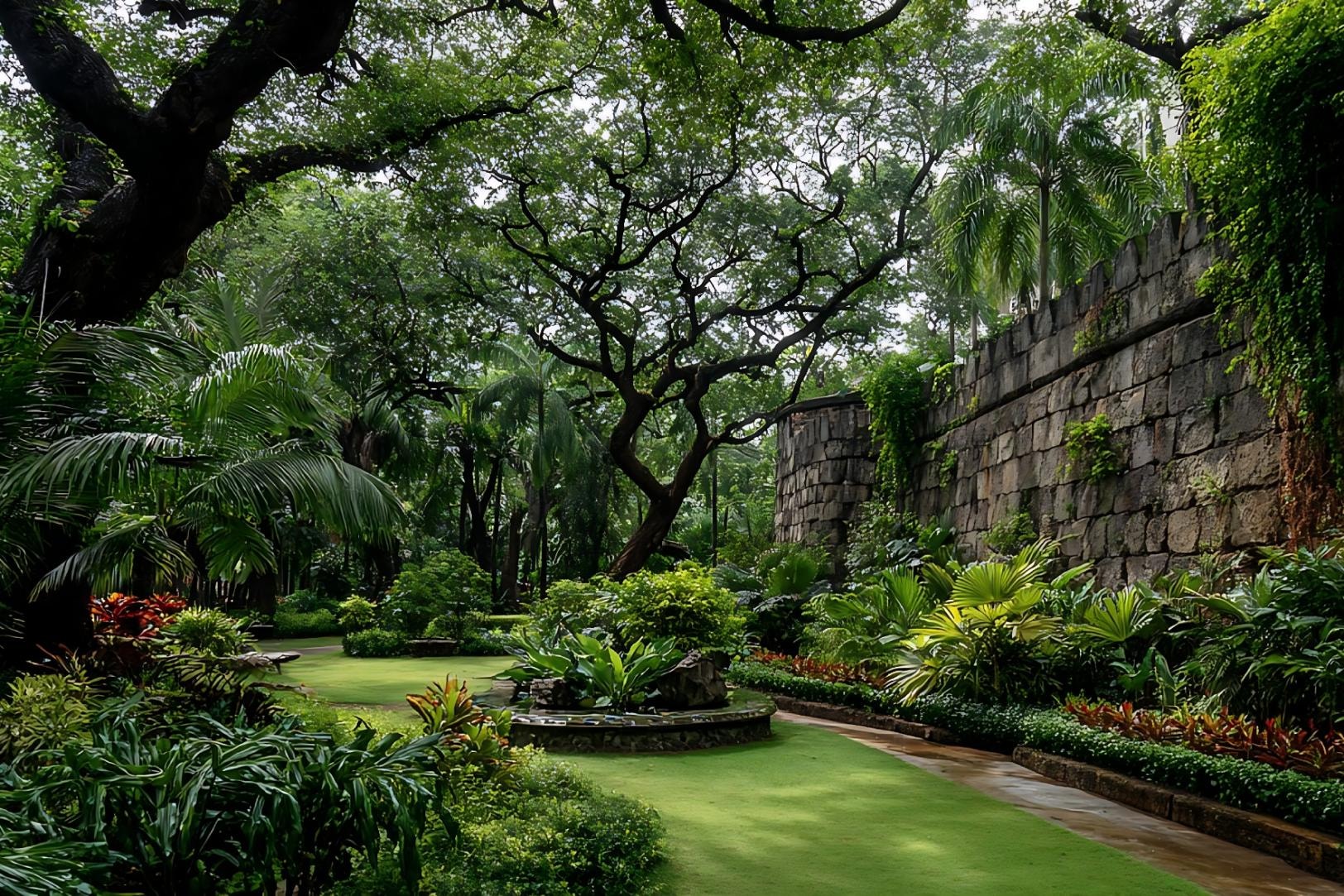
Exploring these Singapore secret places is more than just a hunt for interesting photos. It is an exploration of our national identity. These locations reveal a city that is not just erasing its past to build its future, but one where layers of history and progress are constantly interacting. They show a nation that is complex, dynamic, and always in conversation with itself.
As photographers, we have the unique opportunity to document this dialogue. I encourage you to step off the beaten path, to look beyond the obvious, and to find your own frames where Singapore’s past and future meet. The most compelling stories are often found in the most unexpected and secret places in Singapore.