
There’s a quiet lie every photograph tells.
Not because it’s edited or staged, but because it ends too soon. A frame is a full stop. It closes a moment that was never meant to be contained.
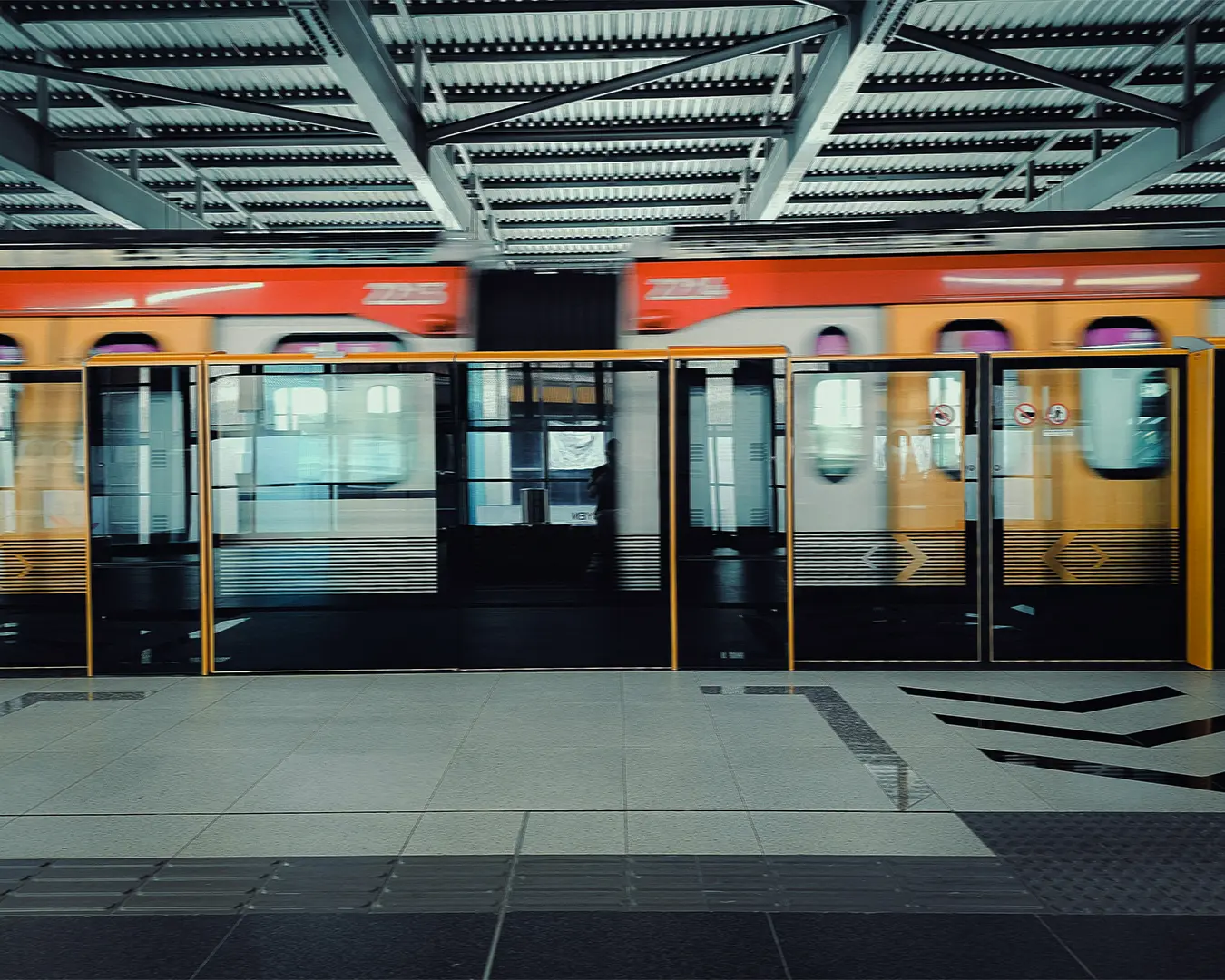
In Singapore, where life moves with quiet precision, you’d think moments are easier to catch. The rhythm feels predictable, MRT doors sliding open on time, office crowds spilling into the streets, hawker centres filling and emptying in cycles. But moments here don’t wait. They pass quickly, almost politely, like they don’t want to be noticed.
Before every photograph I keep, there are a dozen I don’t.
A kopi uncle wiping tables before the lunch rush. Office workers in Raffles Place slowing under the afternoon heat. An elderly couple sharing a meal in silence, speaking only through habit. These moments exist briefly, then disappear into routine.
Street photography isn’t just about seeing, it’s about knowing when you’re allowed to see.
In a hawker centre one afternoon, the light fell perfectly across a stainless steel counter. Steam rose, soft and slow. A hawker moved with practiced rhythm. I raised my camera.
He looked up.
Not annoyed. Not curious. Just aware.
That awareness changed everything. The shot I took after was fine. It is sharp and balanced, but empty. The moment I wanted, the unguarded flow of his work, was gone. What I captured wasn’t the scene, but the interruption of it.
We don’t talk enough about that pause before pressing the shutter. The silent question: Is this mine to take? In Singapore, where personal space is quietly respected even in crowded places, that question carries weight.
As a professional photographer, some of my favorite pictures were never taken.
A child laughing before noticing the lens. A rider resting between deliveries. Rain beginning to fall along Orchard Road, scattering people before the scene could settle. These moments don’t belong to the camera, but they stay.
Photography is presence, but it’s also restraint.
Sometimes, the most honest thing you can do is lower the camera.
Because the images we share are only fragments built on missed chances, quiet exchanges, and everything that came before.
So when you look at a photograph, remember this:
You’re not just seeing what was captured.
You’re seeing what was left behind.