
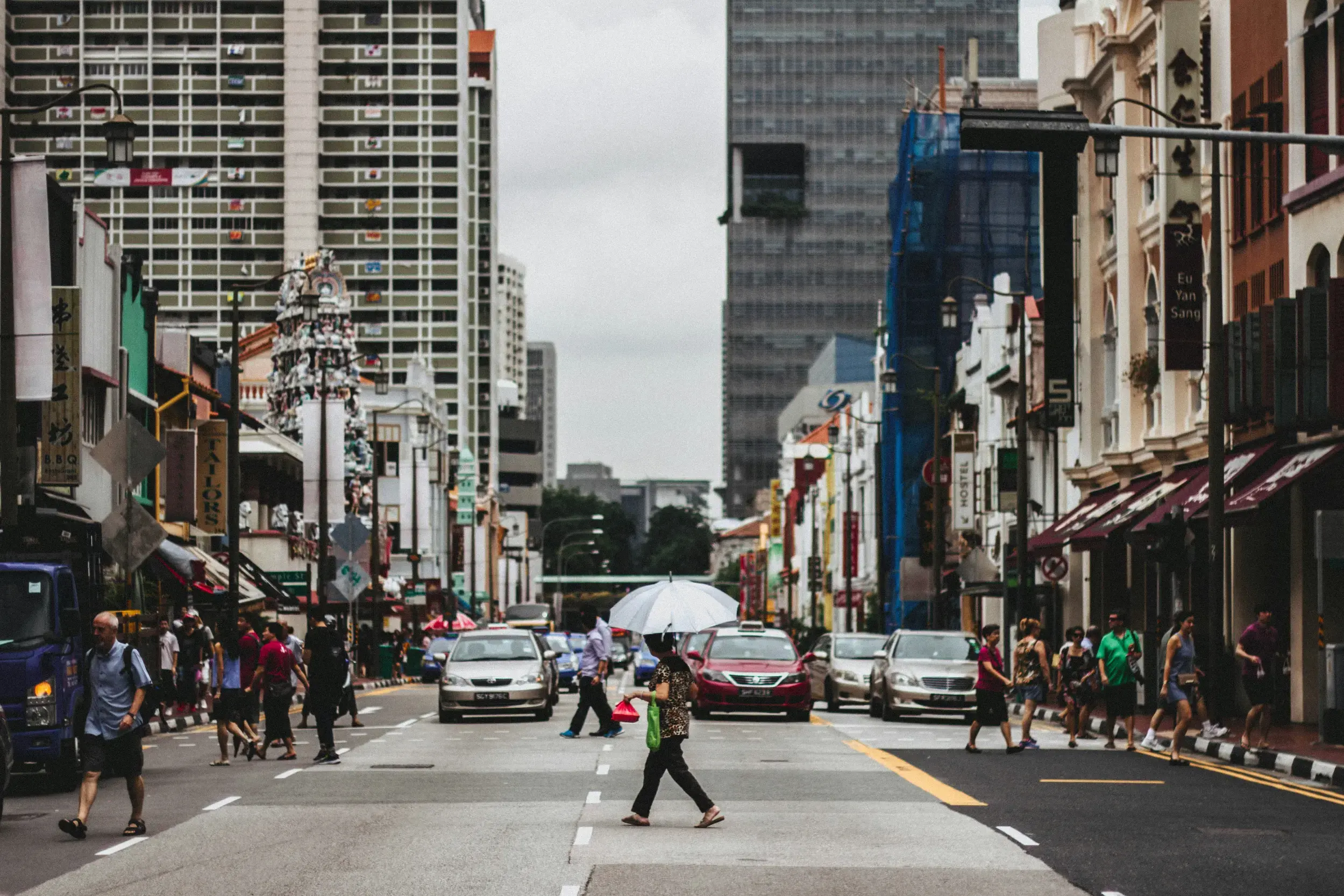
The morning light was just beginning to cut through the humidity, casting a soft glow on the colourful shophouses of Keong Saik Road. Most photographers flock to the more obvious spots in Chinatown Singapore, but I have always found magic in its quieter pre-dawn moments. I was watching an elderly man practice tai chi in a small alcove, his movements slow and deliberate against a backdrop of modern murals and vibrant street art. It was a perfect summary of this neighbourhood: a place where history is not just preserved in museums, but is actively lived on every street corner.
Beyond the well-known sites, explore other streets like Telok Ayer Street and Trengganu Street, where traditional Chinese medicine shops and heritage buildings stand alongside modern cafes serving coffee, including those featured on Best Cafe Singapore. The nearby Jamae Mosque and the historic Thian Hock Keng Temple add to the cultural landmarks that make Chinatown Singapore uniquely rich.
For photographers, spots like People’s Park Complex and the Hill Street Police Station offer distinctive architectural backdrops, while the vibrant lantern-lit Pagoda Street and Smith Street provide dynamic street scenes. Whether you are on a stop over or spending a few hours, Chinatown offers a variety of best photo spots to capture the authentic life and heritage of Singapore.
I was pleasantly surprised by the mix of old and new, from calligraphy brushes in traditional shops to t shirts in trendy boutiques. The blend of heritage and modern life makes Chinatown a must-visit for anyone interested in Singapore photography.
Best Photo Spots in Chinatown Singapore
1. The Majestic Buddha Tooth Relic Temple
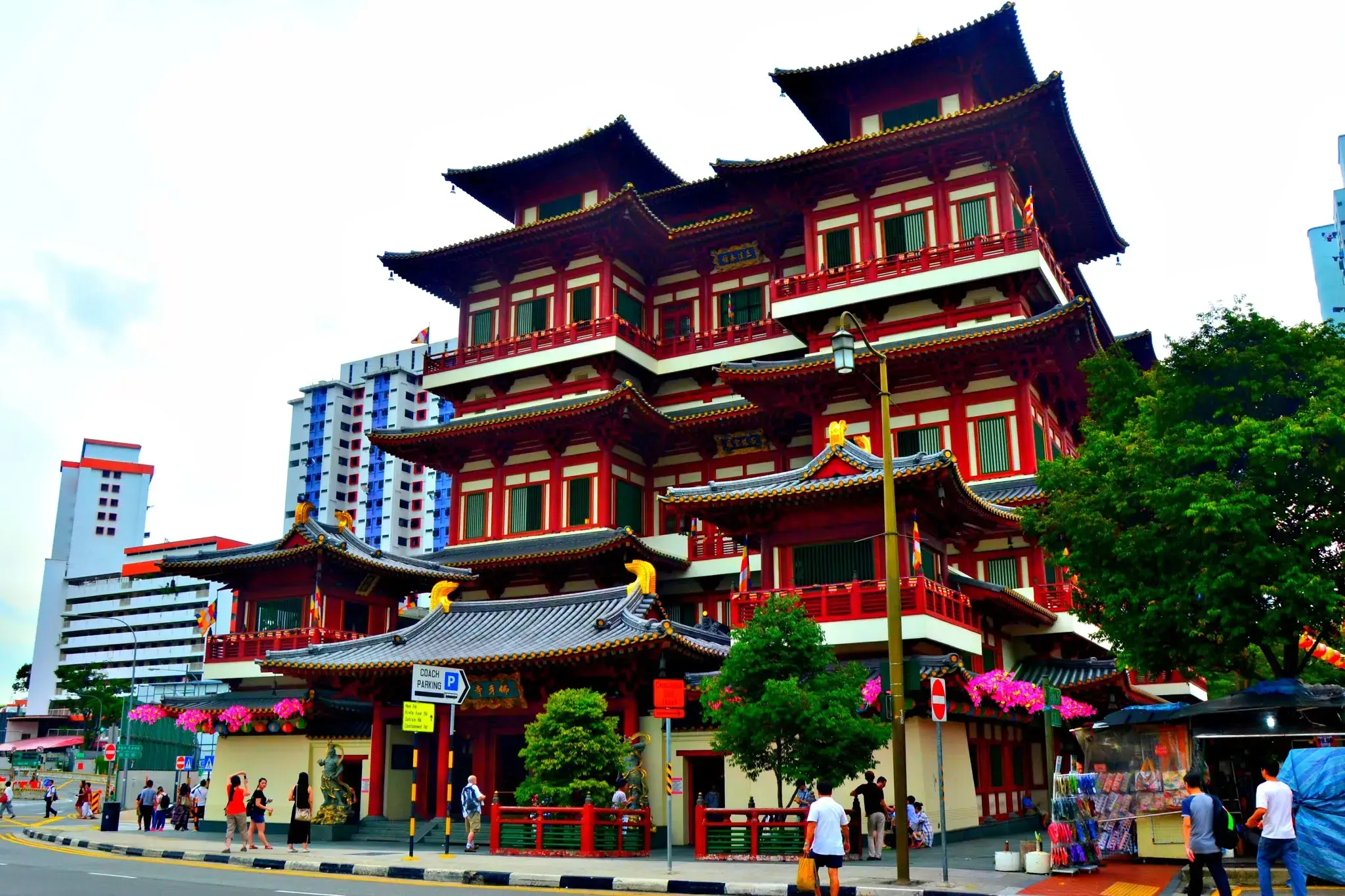
- Location: 288 South Bridge Road, Singapore 058840
- The Atmosphere: This is more than just a landmark; it is a vibrant center of faith and one of Singapore’s must-visit cultural landmarks. The sheer scale of the heritage building’s architecture is breathtaking, but the real photographic opportunities lie in the smaller moments. The air is thick with the scent of incense, and the low hum of chanting provides a constant, meditative soundtrack.
- Photo Tips: The best time to visit is during a prayer session in the morning (around 9 AM). The light streaming through the intricate windows is beautiful. A 35mm prime lens is perfect here. It is wide enough to capture the grandeur of the main hall but discreet enough for you to move around respectfully without disturbing worshippers. Focus on the details: the rows of golden Buddhas, the texture of the ornate wooden doors, or the hands of a devotee in prayer. Remember that this is a place of worship, so turn off your flash and be quiet and observant.
2. The Living Theatre of the Chinatown Complex
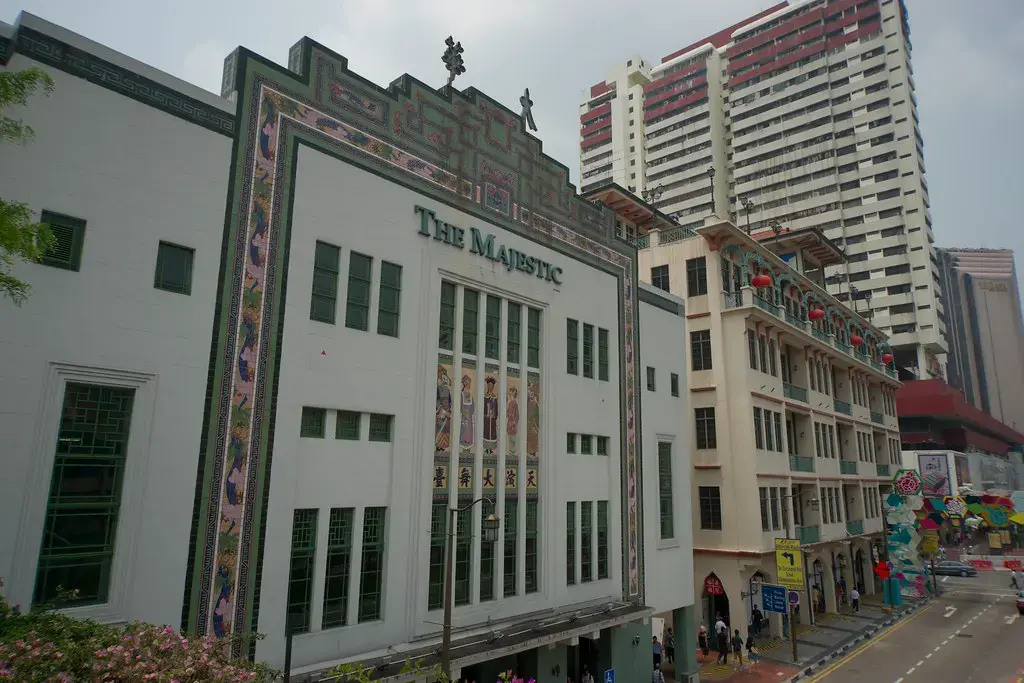
- Location: 335 Smith Street, Singapore 050335
- The Atmosphere: This complex is the raw, beating heart of Chinatown Singapore. Downstairs is a sprawling wet market, and upstairs is one of the largest hawker centres in the country, including the famous Maxwell Food Centre nearby. It is a sensory overload in the best possible way. This is where the community comes to shop, eat, and socialize amidst traditional trades and food stalls.
- Photo Tips: Go early, around 8 AM, to capture the market in full swing. The basement market is dark, so a fast lens (f/1.8 or wider) will be your best friend. It will help you capture the moody, atmospheric light without a flash. I love focusing on the vendors. Their faces tell incredible stories. A personal anecdote: I once spent twenty minutes just watching a fishmonger, and the moment he finally laughed with a customer became my favourite shot of the day. A 50mm lens is great for these candid portraits from a slight distance.
3. The Quiet Craft of the Teahouses on Ann Siang Hill
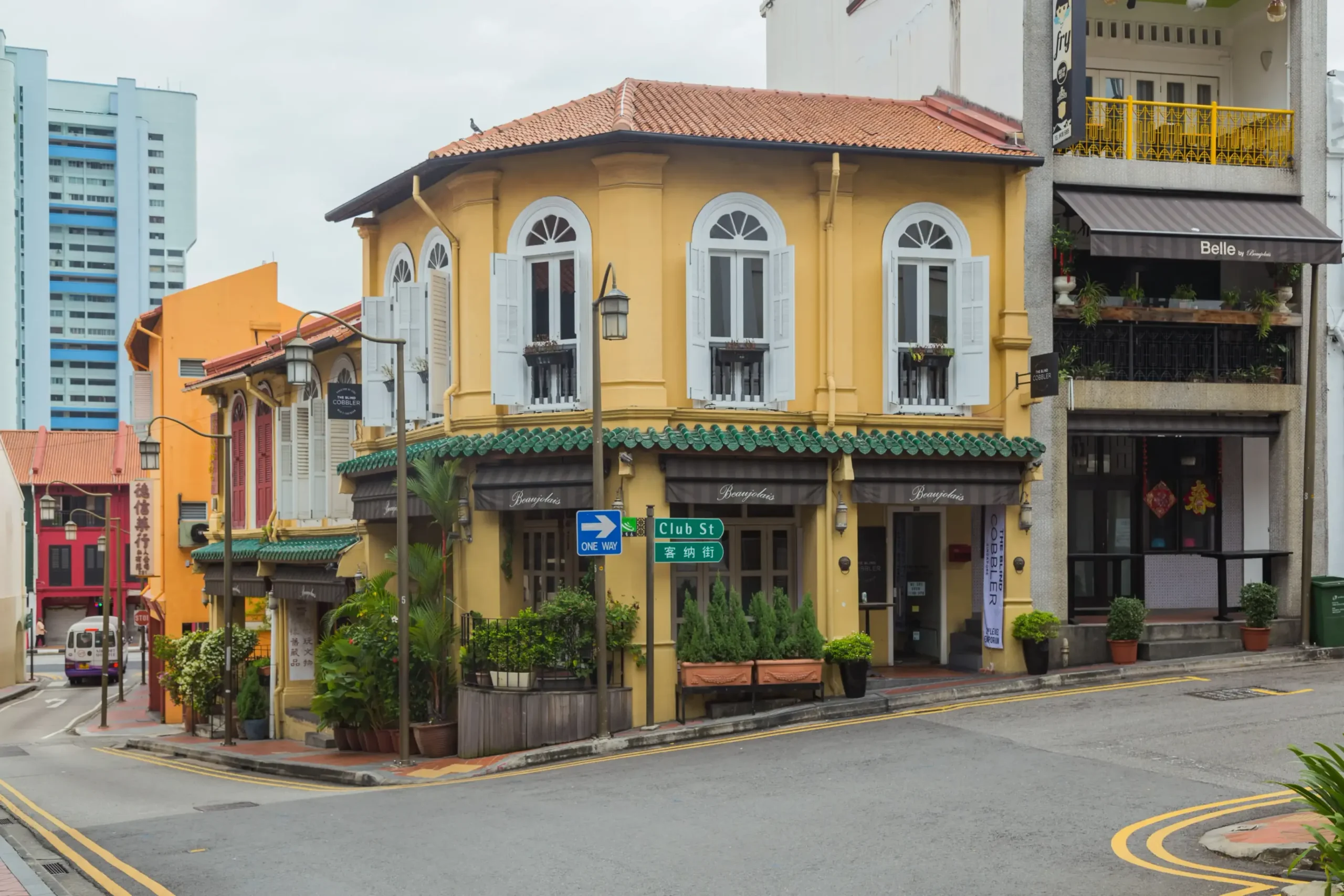
- Location: The area around Ann Siang Hill and Club Street.
- The Atmosphere: A short walk from the chaos of the main streets lies a different world. The restored heritage buildings here are home to modern offices and bars, but tucked among them are traditional Chinese teahouses like Tea Chapter. Inside, the world slows down. The art of tea preparation is a quiet, deliberate performance.
- Photo Tips: The interiors of these teahouses are often beautifully decorated and dimly lit. This is a great opportunity to practice your low-light Singapore photography. Ask for permission to shoot, and then find a quiet corner. I like to use a macro lens to capture the details: the steam rising from a cup, the intricate design on a teapot, or the unfurling of tea leaves in hot water. Capturing these quiet moments provides a beautiful contrast to the bustle outside.
4. The Last Calligrapher of Sago Street
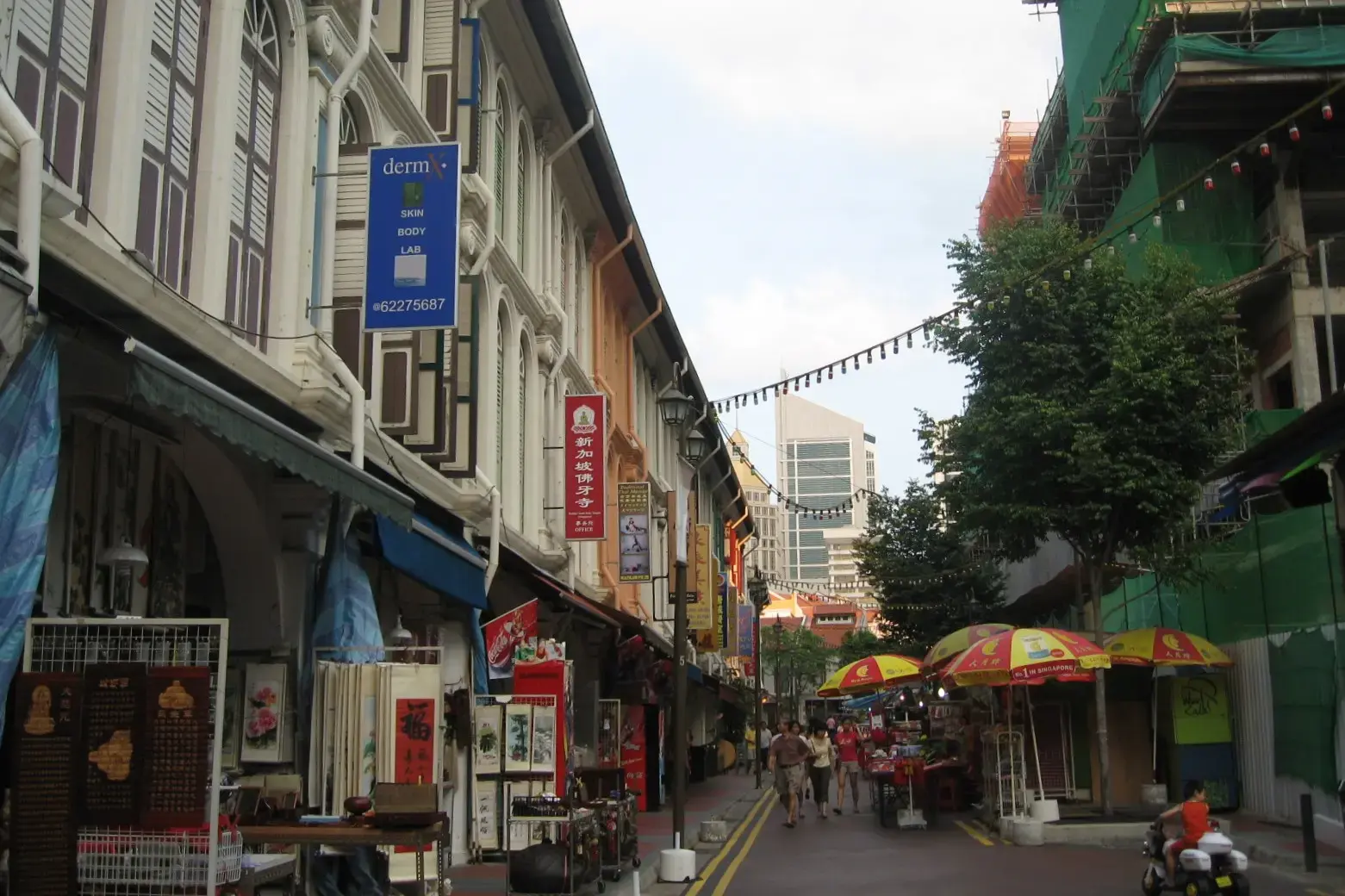
- Location: Sago Street, known colloquially as “Street of the Dead” for its history.
- The Atmosphere: This street is rich with singapore’s history, once home to death houses. Today, it is much quieter, but you can still find artisans keeping old traditions alive. One of my favorite subjects is an elderly calligrapher who often sets up a small table here. Watching him grind the ink and paint characters with a steady hand is like watching a meditation.
- Photo Tips: Late afternoon provides beautiful, soft light that illuminates his work. A telephoto lens, like a 70-200mm, is perfect for this. It allows you to stand across the street and capture him at work without making him feel watched or pressured. This respect for distance is key when photographing people, especially older artisans. The goal is to capture their process, not to make them perform for the camera.
5. The Immersive Experience of the Chinatown Heritage Centre
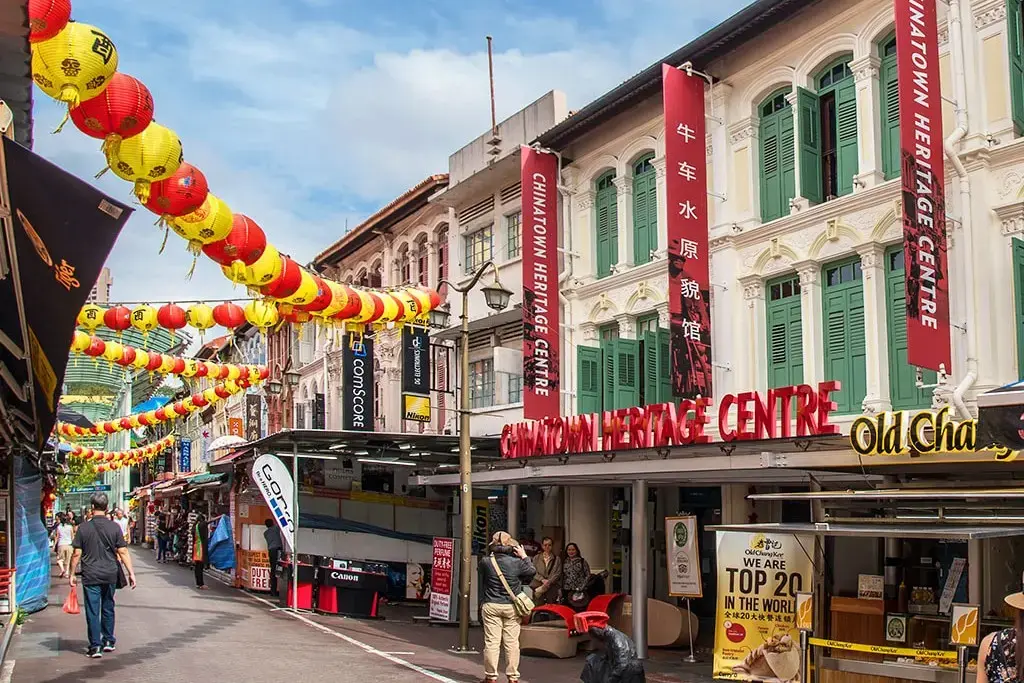
- Location: 48 Pagoda Street, Singapore 058695
- The Atmosphere: The Chinatown Heritage Centre offers a moving glimpse into the lives of early Chinese immigrants who built Singapore’s Chinatown. Housed in restored heritage buildings, the museum recreates the cramped living quarters, bustling streets, and daily struggles of the past. Walking through its rooms feels like stepping back in time.
- Photo Tips: The dim lighting and intimate spaces call for a fast lens and a steady hand. Focus on capturing the textures of old walls, vintage artifacts, and evocative displays. Black and white photography can enhance the nostalgic mood here. Take your time to absorb the stories behind each exhibit, they add depth to your images.
The Essence of Singapore’s Chinese Heritage
For me, photographing Chinatown is a deeply personal experience. It is a connection to my own heritage and a way to document a version of Singapore that is constantly evolving yet deeply rooted in its past. Every weathered wall, every stick of incense, and every smiling vendor has a story to tell. The challenge and joy of Singapore photography is to listen with your eyes and capture those stories with honesty and respect.
Chinatown is not just about the famous sites like the Buddha Tooth Relic Temple or the Chinatown Heritage Centre; it’s also about the lesser-known corners like the traditional Chinese medicine shops along Temple Street, the vibrant street art on Trengganu Street, and the bustling stalls at Chinatown Complex and Chinatown Food Street. Exploring these heritage sites offers a rich tapestry of cultural landmarks and traditional trades that are a photographer’s dream.
I hope this guide inspires you to take a walking tour through Chinatown and discover your own moments of connection. Whether you have a few hours or a full day, this district offers the best photo spots to capture the living history of Singapore’s early Chinese immigrants. The true beauty of Chinatown reveals itself when you slow down and look beyond the obvious, from the intricate details of the Sri Mariamman Temple and Thian Hock Keng Temple to the colorful lanterns lining Pagoda Street during Chinese New Year.