
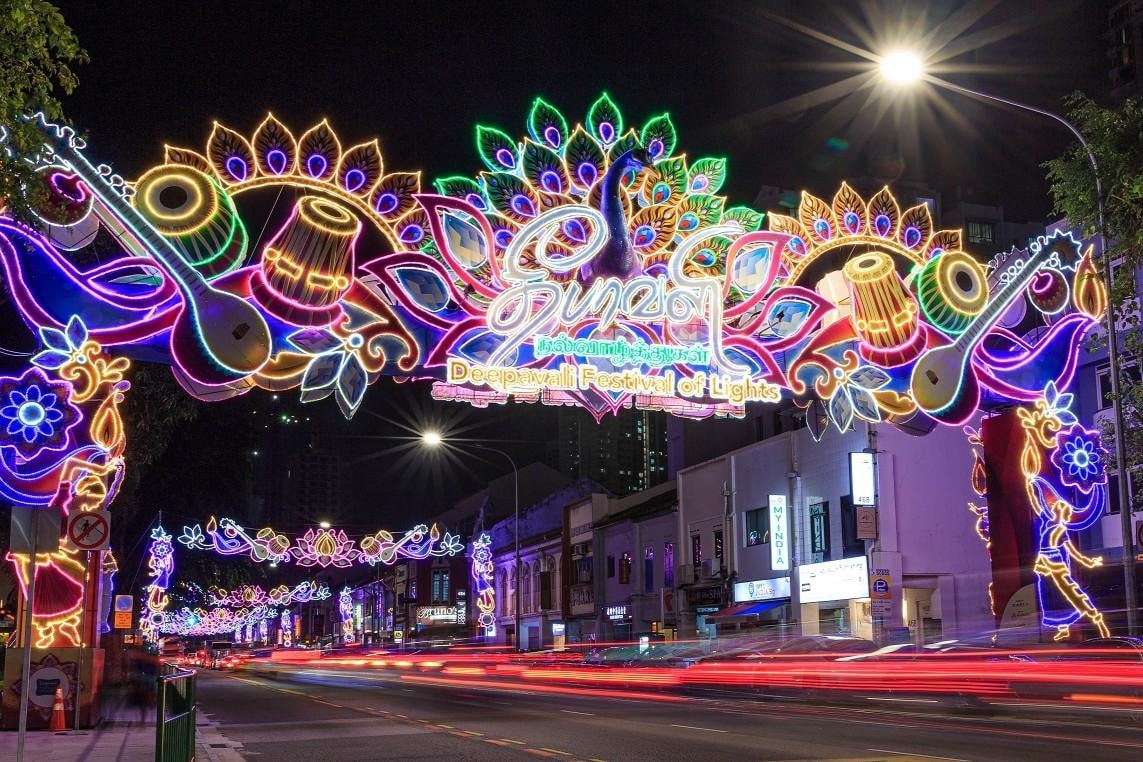
Every year, as Deepavali approaches, a corner of Singapore undergoes a breathtaking transformation. Little India, always a vibrant neighborhood, shifts into a higher gear, becoming an incandescent wonderland of light, color, and sound. For a photographer, this festival is more than just a cultural celebration; it is a visual feast, a sensory overload that presents endless opportunities for stunning Singapore photography. The air thickens with the scent of jasmine and incense, and every street and alleyway pulses with an energy that is both ancient and electric.
Deepavali, the Festival of Lights, symbolizes the victory of good over evil, and nowhere is this triumph more visually represented than on the streets of Little India. As a photographer, my goal is to capture the essence of this celebration, to translate its vibrant spirit into frames that tell a story of faith, community, and joy. This photo essay is a journey through the heart of the festival, sharing not just the images but also the techniques and insights needed to document this incredible spectacle of photography Singapore.
An Explosion of Colors and Photo Spots
The first thing that strikes you in Little India during Deepavali is the sheer saturation of color. It is an unapologetic, joyous explosion of hues that seems to paint the very air. Deepavali’s palette is rich and symbolic. Marigold oranges and bright yellows, representing prosperity and new beginnings, are everywhere, from the garlands sold on the street to the intricate decorations.
Vibrant fuchsias, royal purples, and emerald greens adorn the textiles hanging in every shop window, catching the light and creating a kaleidoscope of tones. The entire district becomes a living canvas. For a photographer, the challenge is not finding color, but composing it in a way that feels harmonious rather than chaotic.
Street Decorations and Light Installations
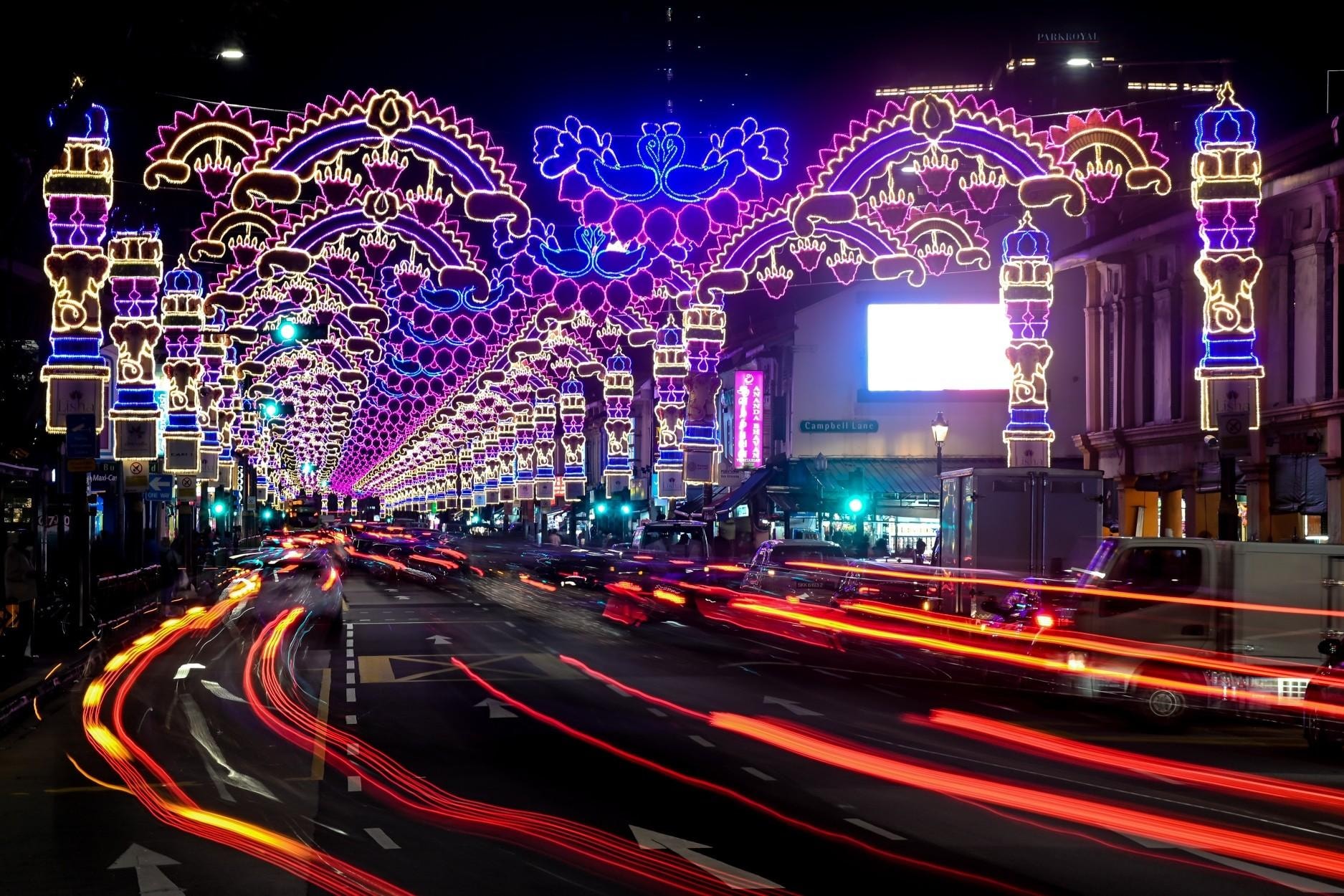
As the sun sets, Little India reveals its second identity. The main artery, Serangoon Road, and its surrounding streets come alive with a dazzling display of light. Massive, ornate arches glittering with thousands of bulbs tower over the traffic, depicting peacocks, oil lamps, and other traditional motifs. These installations are a hallmark of the festival and a central subject for any photographer.
The sheer scale of the light-up is a spectacle in itself. The warm, golden glow bathes the streets, creating a magical atmosphere. This is when low-light photography in Singapore becomes both a challenge and a reward, offering a chance to capture the interplay between the bright installations and the dark night sky.
Traditional Attire and Textiles
The people are as much a part of the visual splendor as the decorations. Shopfronts along Serangoon Road and in the Tekka Centre overflow with magnificent textiles. Silks, cottons, and synthetic fabrics shimmer with intricate embroidery, beadwork, and gold thread. The windows are a testament to the rich heritage of Indian craftsmanship.
During the festival, visitors and residents alike don their finest traditional attire. Capturing the elegant drape of a sari or the sharp cut of a kurta against the bustling street scene adds a powerful human element to your Singapore street photography. These garments are not just clothing; they are expressions of identity and celebration.
Best Photo Spots: Market Scenes and Street Life
The heart of Deepavali’s energy beats loudest in its markets. The Deepavali Festival Village along Campbell Lane and Hastings Road becomes a bustling open-air bazaar. The density of sights, sounds, and smells is intoxicating.
Here, you will find vendors selling everything from intricate oil lamps (diyas) and colorful rangoli powders to mountains of festive sweets and snacks. Flower vendors expertly weave garlands of jasmine and marigolds, their hands a blur of motion. Photographing these market scenes requires you to immerse yourself in the crowd, to become part of the flow and capture the candid interactions and vibrant commerce that define the festive spirit.
Photography Tips for Capturing Deepavali
Documenting a festival as dynamic as Deepavali requires some preparation and specific techniques to capture the best moments and vibrant street art of Little India during this iconic celebration.
- Best Times: Visit once during the day to explore and capture the colorful market scenes, textiles, and food vendors. Return after sunset (around 7:30 PM) for the stunning light installations and night photography. Weeknights are slightly less crowded than weekends, giving you more freedom to pose and find the best angles.
- Camera Settings: For evening shots, use a wide aperture (f/1.8 to f/2.8) to let in more light and create beautiful bokeh effects. Do not hesitate to increase your ISO (800-3200), as modern cameras handle noise well, enabling you to capture high quality photos even in low light. A slightly slower shutter speed (e.g., 1/125s) can convey a sense of motion in the bustling crowds during this few hours of peak activity.
- Composition: Look for layers in your shots to showcase the rich details of the festival. Frame a brightly lit storefront through the silhouette of a crowd or use the ornate arches as natural frames for the lively street scenes below. Get low to capture the intricate rangoli patterns on the ground or highlight the vibrant textiles and traditional attire that make this event so unique.
- Photography Services: If you’re planning a photoshoot during Deepavali, consider hiring professional photography services experienced in cultural festivals and street photography in Southeast Asia. A skilled team can help you pose, find the best photo spots, and ensure your photoshoot captures the true spirit of the festival.
- Instagram Feed: Don’t forget to share your best shots on your Instagram feed to showcase the beauty and fun of Deepavali in Singapore. Use hashtags related to Singapore photography and street art to connect with a wider community and inspire others to explore this vibrant city during the festival.
With these tips and techniques, your Deepavali photography will not only capture the festival’s visual splendor but also tell the story of community, tradition, and celebration in one of Singapore’s most colorful neighborhoods.
Iconic Photography Spots for Professional Photographers
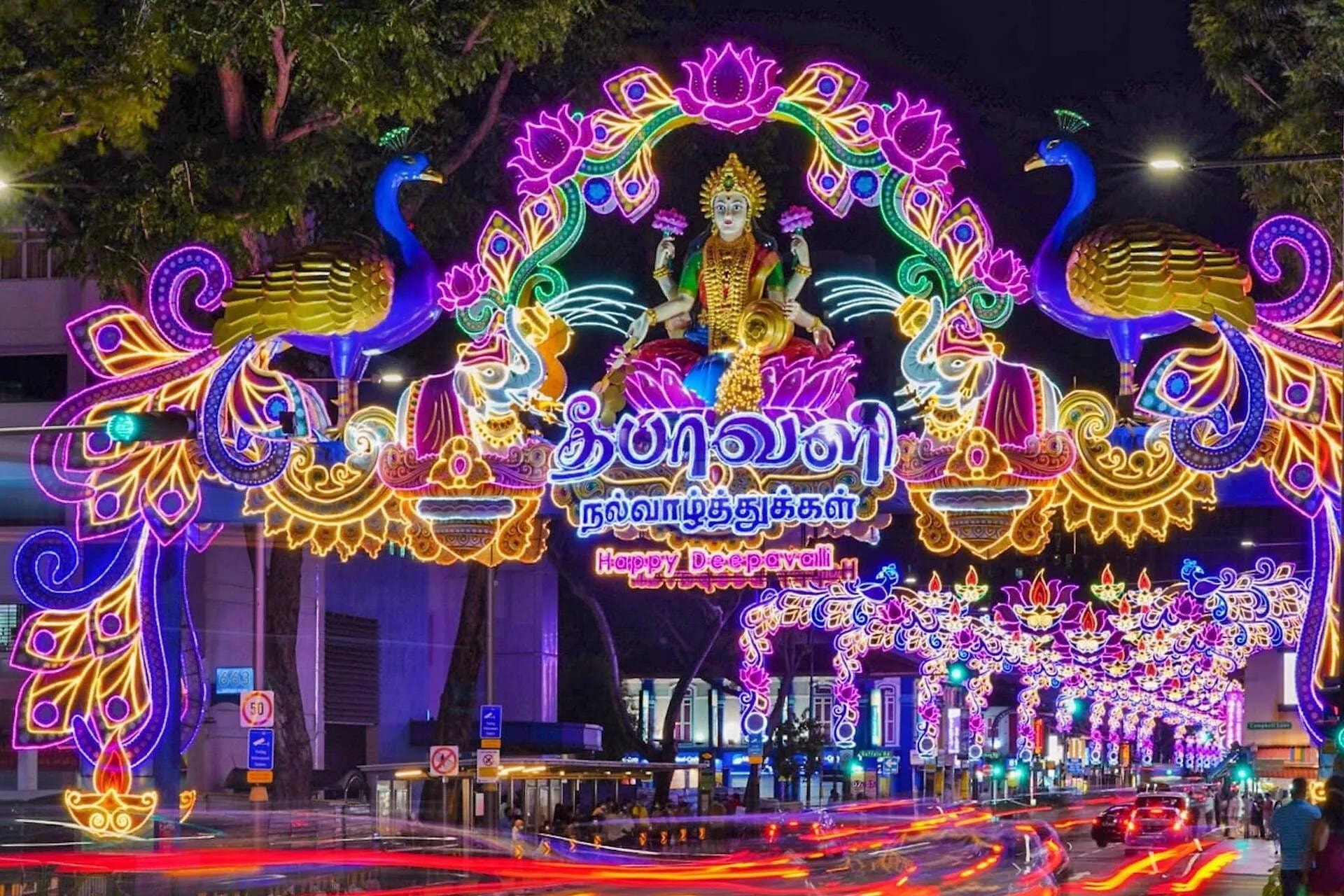
While beauty is everywhere, a few locations offer particularly rewarding opportunities for Singapore photography.
- Serangoon Road: This is the epicenter of Deepavali celebrations and one of the best photo spots in Singapore. Stand on the median to capture long exposure pictures of the traffic flowing under the main light arches, showcasing the vibrant street art and festive decorations.
- Campbell Lane: The pedestrian-only bazaar is perfect for capturing the market’s energy, detailed shots of vendors, and colorful textiles. This bustling area is a delight for photographers looking to explore the rich cultural life and street scenes of Little India during the festival.
- Sri Veeramakaliamman Temple: This historic temple’s ornate facade, beautifully illuminated for the festival, makes for a stunning cultural photograph. It’s a must-visit building that highlights Singapore’s diverse religious heritage.
- Alleys off Serangoon Road: Venture into the side streets to find quieter, more candid moments away from the main crush of the crowd. These hidden corners offer unique perspectives and intimate portraits, perfect for capturing the true spirit of the festival.
- People’s Park Complex: Not far from Little India, this location offers a contrast with its urban architecture and vibrant street art. It’s a fantastic spot for photographers interested in combining cultural scenes with Singapore’s modern cityscape.
These photo spots provide a variety of settings—from bustling markets and colorful streets to serene temples and urban buildings—ensuring a comprehensive visual story of Deepavali in Singapore. Whether you are a professional photographer or an enthusiast on a stop over in Southeast Asia, these locations are essential to include in your photography portfolio.
Capture the essence of this world-renowned festival, and don’t miss the chance to showcase your best moments on your website or Instagram feed. With the right light, angles, and timing, your photos will truly delight viewers and support your growth as a photographer specializing in Singapore photography and cultural events.
Respectful Cultural Photography
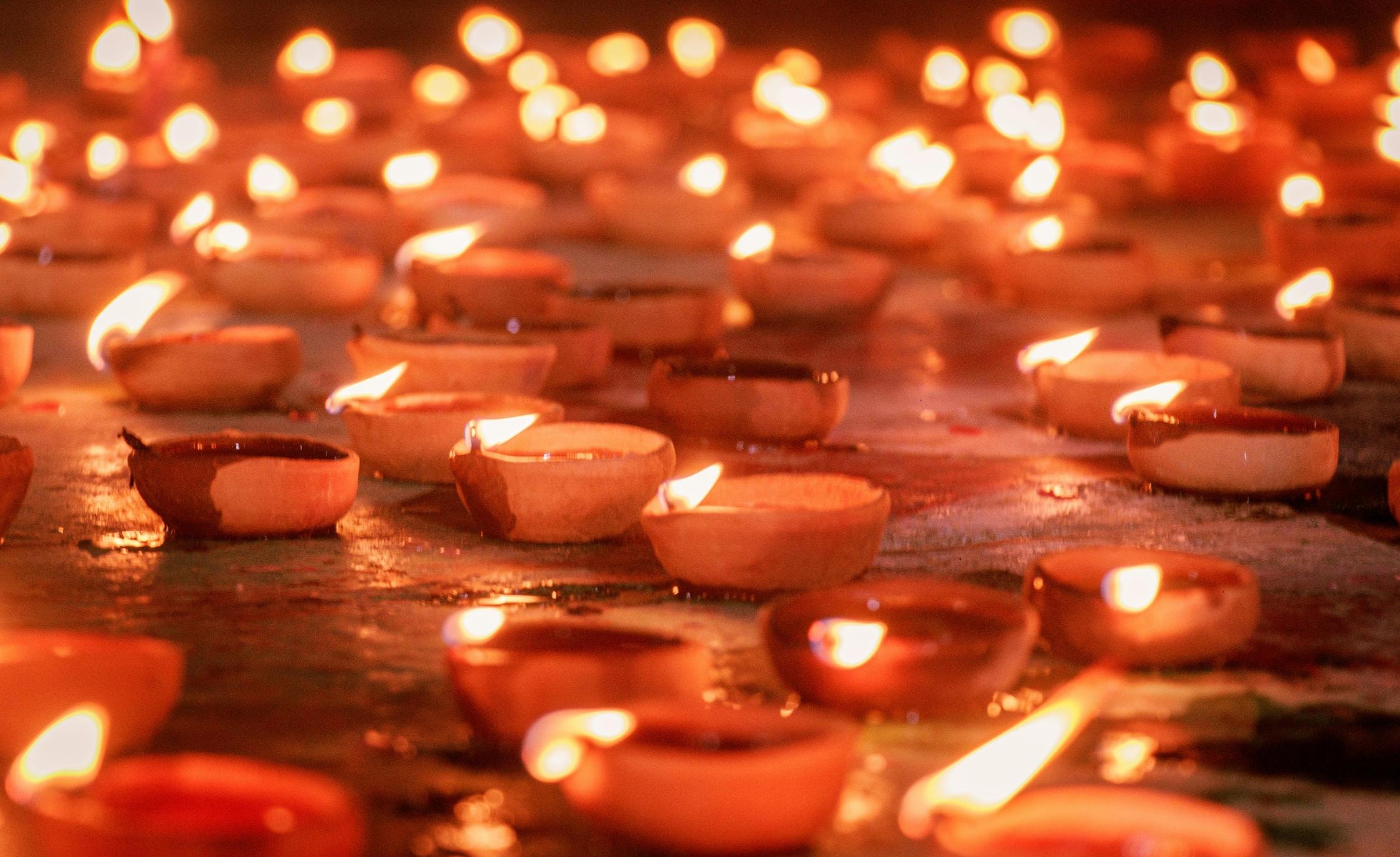
When engaging in cultural festival photography, respect is paramount.
- Photographing People: Always be mindful. A smile and a gesture towards your camera can go a long way. If someone declines, respect their wishes and move on. This respectful approach helps create authentic and meaningful Singapore photography moments that truly capture the spirit of the festival.
- Religious Ceremonies: If you are near a temple or house of worship, be aware of ongoing prayers. Be quiet, keep a respectful distance, and avoid using flash photography, as it is disruptive. Capturing these intimate moments with care adds depth and cultural richness to your photography services portfolio.
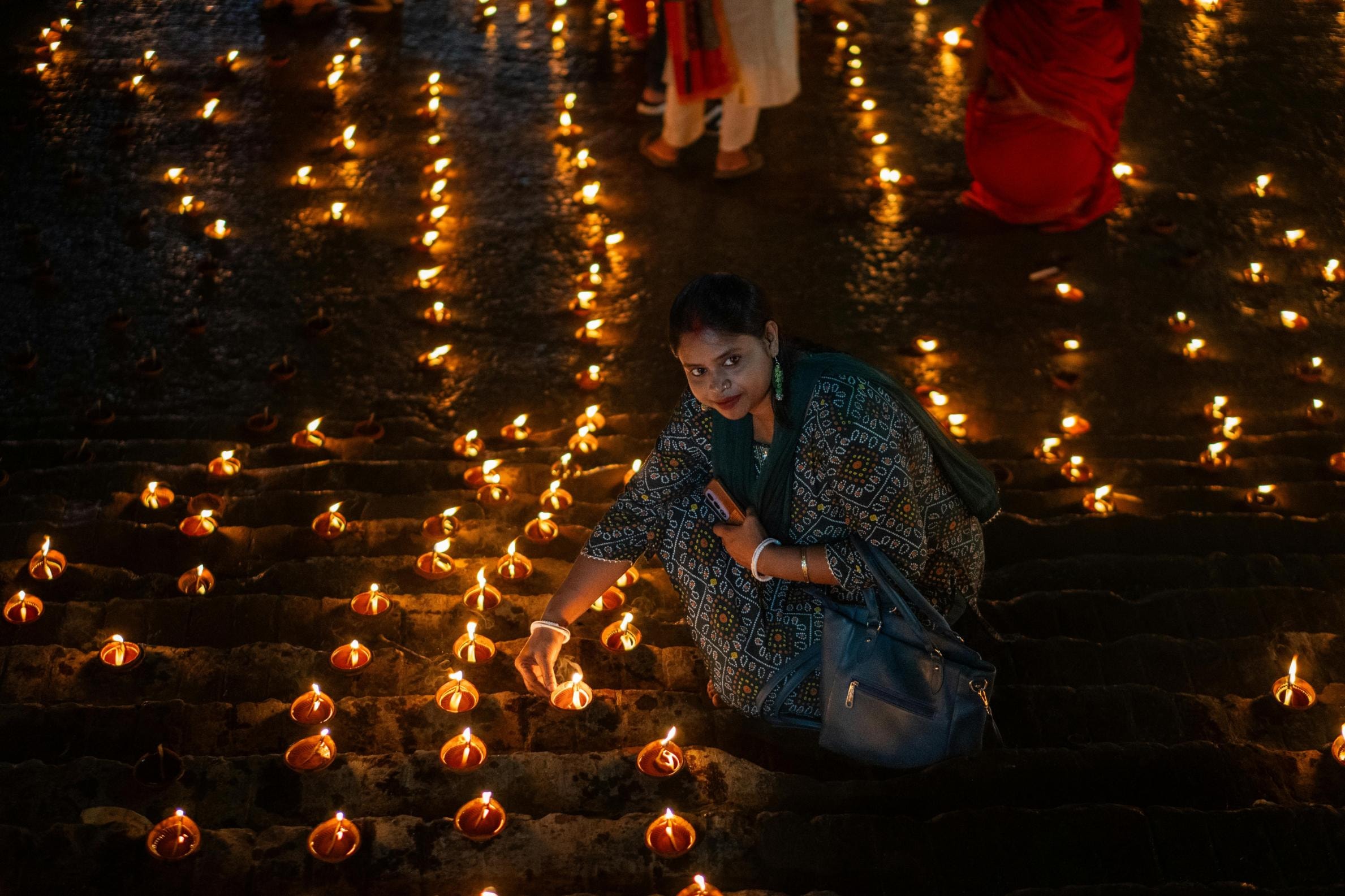
- Rangoli and Diyas: These are sacred elements. Be careful not to step on rangoli designs. When photographing them, try to capture the sense of artistry and devotion behind their creation, highlighting the intricate details and vibrant colors that make these traditional decorations so special.
- Photo Spots: While walking through Little India, take time to explore free photo spots such as the People’s Park Complex and the nearby streets adorned with street art and colorful decorations. These locations offer cheap yet visually stunning opportunities to enhance your photography portfolio.
- Timing and Weather: Rain can sometimes happen during the festival season in Southeast Asia, so be prepared with protective gear for your camera. Despite occasional rain, the vibrant scenes and bustling markets make for unforgettable photo shoots, especially when the sun returns to illuminate the rich colors and festive atmosphere.
- Cultural Sensitivity: Always strive to understand the significance of the festival elements you photograph. This awareness will reflect in your images and help you create high quality photos that resonate with viewers and respect the community’s traditions.
By following these guidelines, your Deepavali photography in Singapore will not only capture stunning images but also honor the cultural essence of this beautiful festival.
The Interplay of Light and Shadow
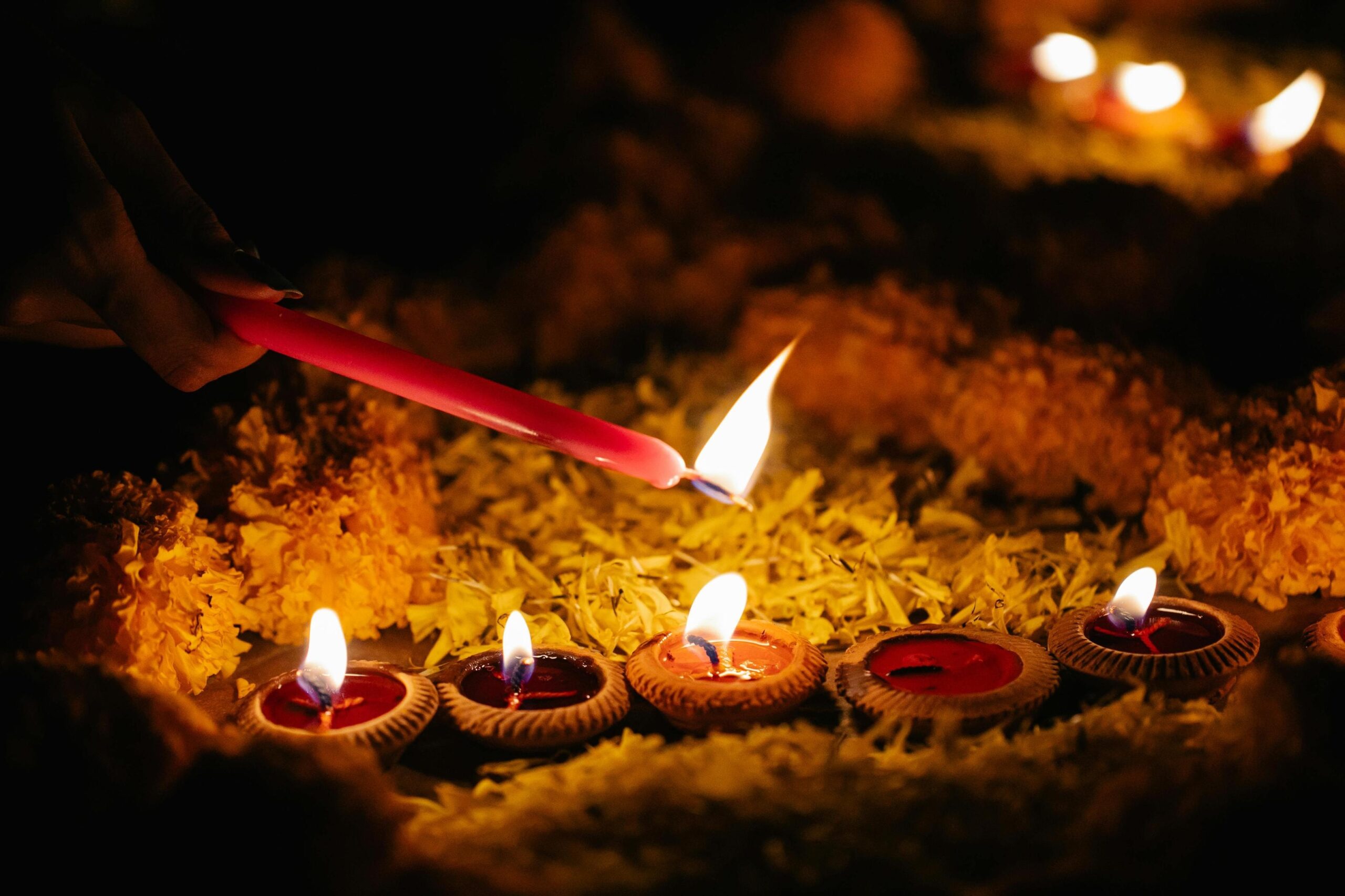
Deepavali is the Festival of Lights, and this theme provides a powerful creative tool for photographers. The contrast between the brilliant illuminations and the deep night shadows creates a natural drama. Use this high-contrast environment to your advantage. Expose for the highlights to create dramatic silhouettes of people against the bright lights. Look for moments where a single lamp illuminates a face in the crowd, creating a moody, intimate portrait. This interplay is at the core of successful Deepavali photography Singapore.
Conclusion
Photographing Little India during Deepavali is more than just an exercise in capturing pretty lights. It is an opportunity to document a community’s vibrant faith and heritage. It is a chance to preserve the fleeting moments of joy, connection, and celebration that define Singapore’s multicultural identity. Through the lens, we can capture and share the story of light triumphing over darkness, a universal theme celebrated with uniquely Singaporean flair. I encourage every photographer to experience it for themselves. Go, immerse yourself in the colors, and create your own visual celebration.