
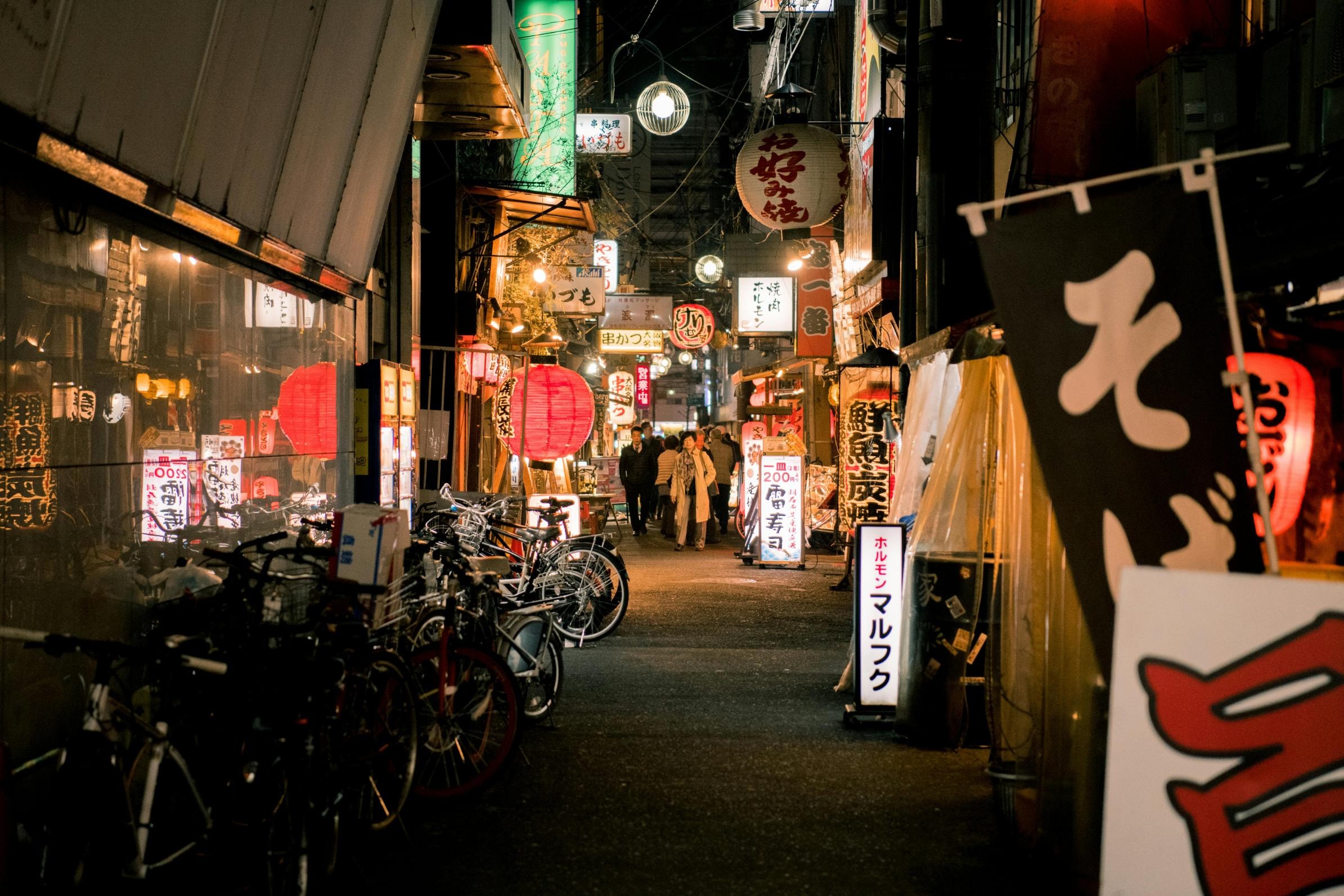
Picture yourself under the glowing lanterns of Tokyo, where the rhythmic hum of conversation fills a vegan restaurant’s cozy bar at dinner. Traditionally, izakaya in Japan have centered around the traditional Japanese meal of small meat and seafood dishes—a plate of fried chicken, skewered meats, or warming miso soup arriving one after another to share with friends over a drink.
But now, vegan izakaya styling is reshaping this culinary landscape. The art of vegan food photography and food styling is elevating plant-based cuisine, making vegan options—from vegan gyoza to fresh veggies—look as crave-worthy and photogenic as ever. Behind these visually stunning dishes is a skilled chef, whose expertise and creativity drive the vegan izakaya movement by thoughtfully crafting and presenting each plate to highlight the beauty and flavors of plant-based ingredients.
In this delicious new world of Japanese vegan dining, food photography doesn’t just capture dinner—it tells the story of a plant-based diet that is both creative and inviting.
The Rise of Vegan Izakaya Cuisine
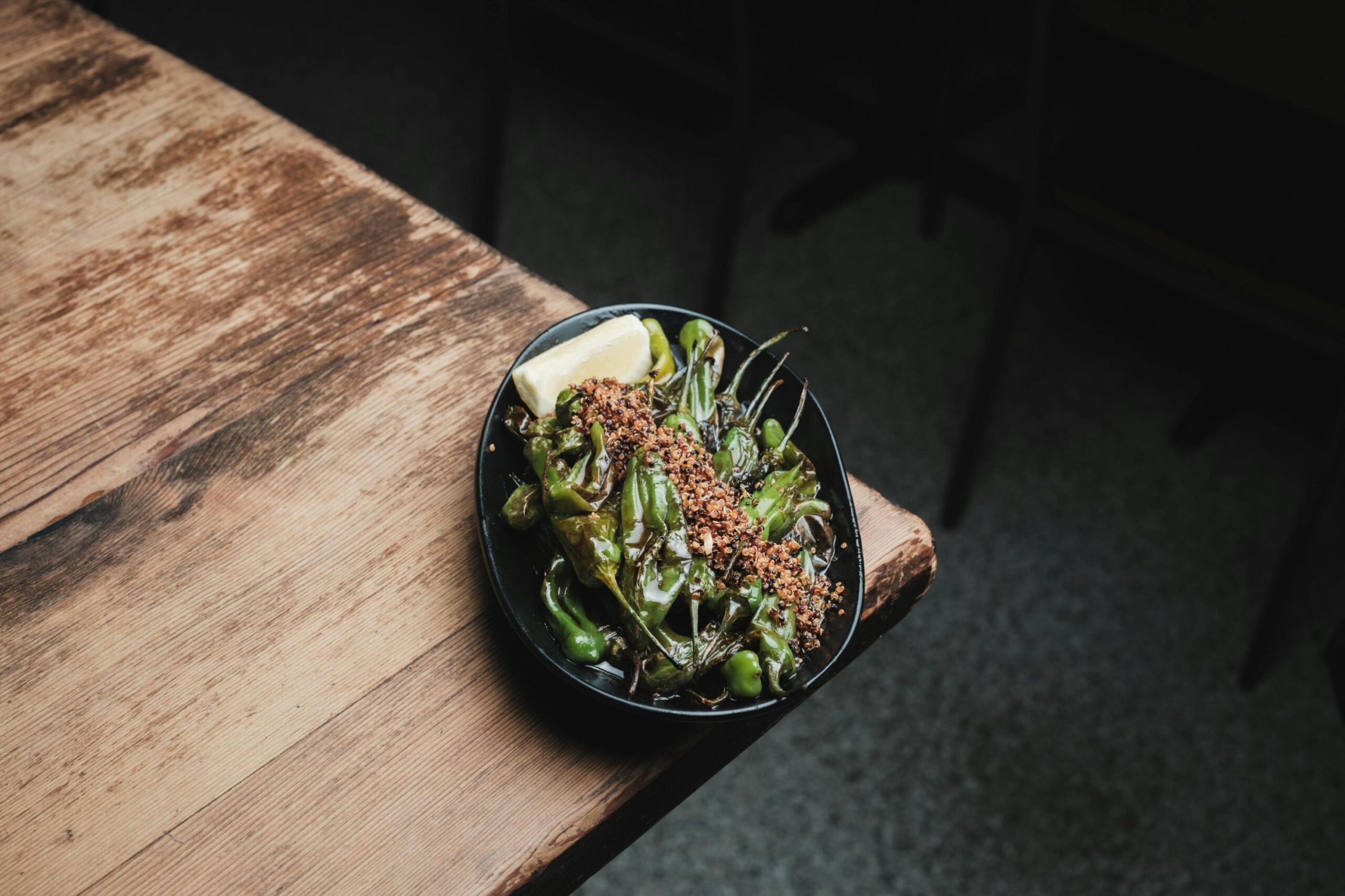
The iconic izakaya has long been a symbol of city life in Japan, where people gather after work or on weekends, enjoying ramen, tempura, and beer. Now, in Tokyo and even on the second floor of a soba restaurant, vegan izakaya and soba spots serve innovative vegan-friendly options rivaling the best menus.
Dishes like soy meat skewers glazed with soy sauce, lotus root tempura, spicy fried corn, and plant-based ramen bowls are must-tries. Many menus feature beans such as natto (fermented soybeans) or sweet red beans, highlighting their role in traditional Japanese cuisine. Tasty vegan miso soup made with soy milk, creative fried snacks like vegan french fries, and mushrooms sautéed with sesame oil enrich bento box lunches and dinners. Vegan broths bring depth to ramen and miso soup, while egg-free tempura batter accommodates dietary needs. Chefs transform vegetables like spinach into delicious, visually stunning meals, redefining vegan food.
Many restaurants offer both vegan and vegetarian choices, serving vegan-friendly options with careful presentation, enhancing the dining experience.
The Art of Food Styling for Vegan Dishes
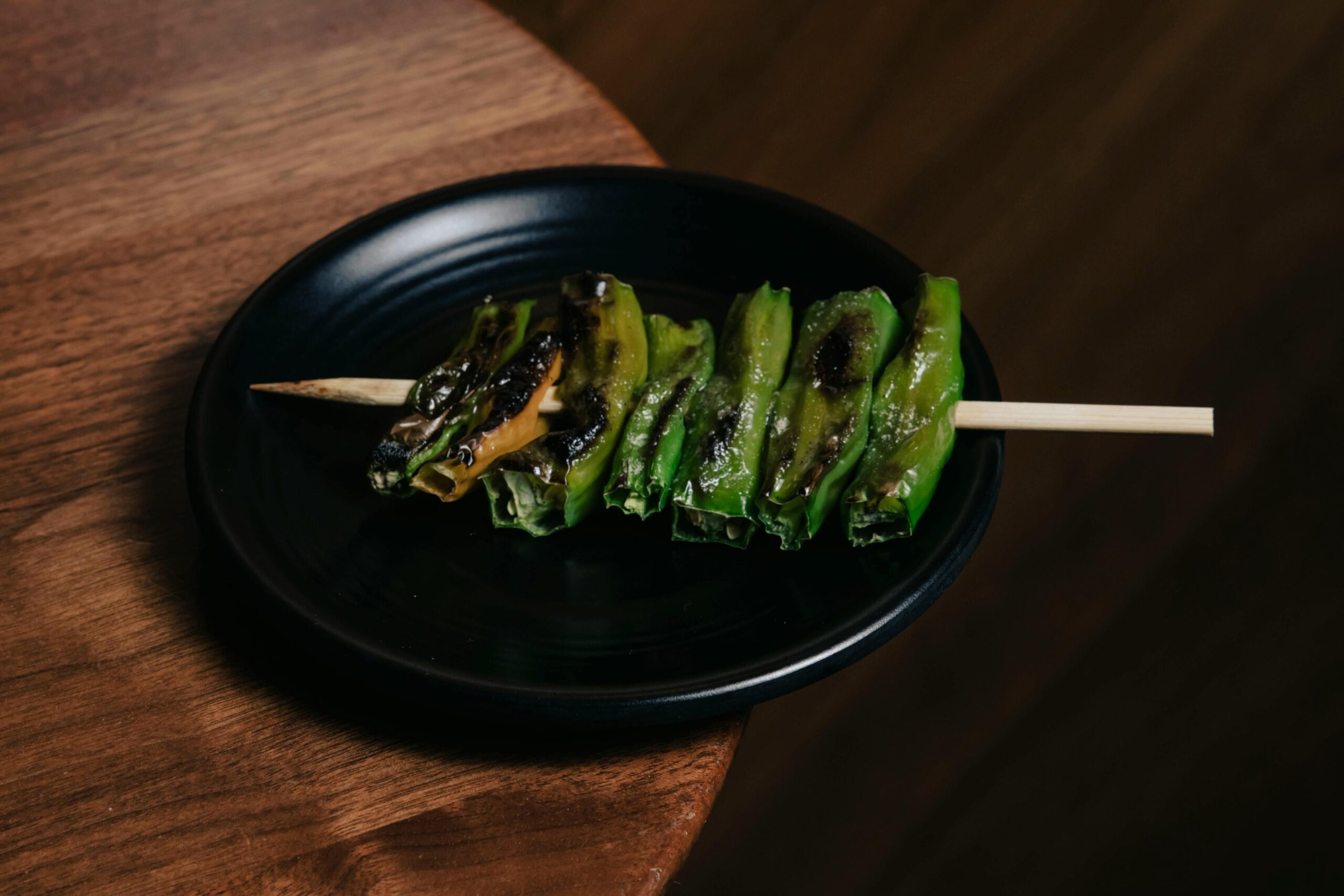
Vegan food styling merges the elegance of Japanese culinary presentation with a modern, playful edge. Even a traditional Japanese meal becomes fresh when you focus on making vegetables—and vegan dishes in general—the hero of the plate. Fruits are also used to add vibrant color and natural sweetness to vegan izakaya dishes.
Plating with Purpose and Color
- Color Theory: Food presentation shines when stylists use vibrant ingredients—think orange carrots, fresh green edamame, red pickles, sweet corn, or glistening mushrooms—to make a vegan meal pop. These colors come together with rice, noodles, or tofu for vibrant plates packed with flavor.
- Negative Space: Embracing empty space on the plate allows each dish—whether it’s fried tofu gyoza, lotus root chips, or spicy mushroom rice—to stand out, inspiring a desire to eat vegan and enjoy every bite.
- Height and Asymmetry: Leaning vegetables or tempura against a pile of sushi rice, layering mushrooms, or building a tower of fried treats for dessert adds drama and artistry to any table.
From a steam-filled bowl of ramen at lunch to a sweet soy milk dessert, a vegan izakaya menu offers different types of small dishes, and each one becomes a feast for both eyes and appetite. Even pickles or a simple miso soup get to play starring roles.
Photography Techniques for Capturing Plant-Based Beauty
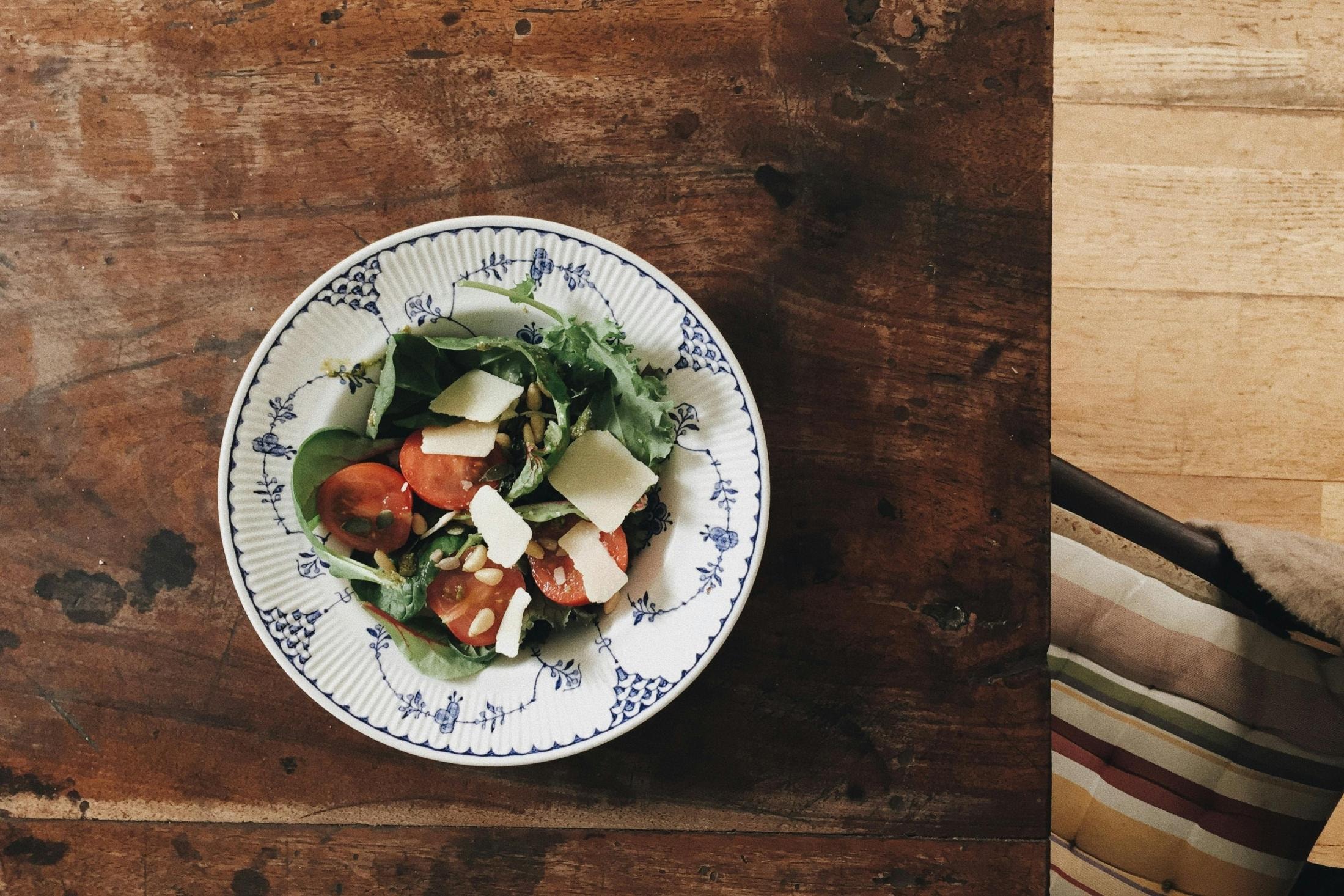
Vegan food photography thrives on making vegan dishes look irresistible—so good that people want to visit the perfect spot on their next trip to Japan. Sharing photos of your favorite places to eat vegan in Japan can inspire others to explore new vegan izakaya spots and discover hidden gems.
Whether you’re an enthusiastic blogger, professional shooting in a vegan restaurant, or just sharing your plant-based discoveries on Instagram, the right techniques and a bit of creativity will make your food photography stand out. Luckily, despite some challenges, there are many visually stunning vegan dishes and restaurants to discover and photograph.
Lighting and Composition Tips
- Natural Light: Sidelight is a classic for vegan izakaya styling, creating shine on veggies and highlighting textures in miso soup, fried rice, or cooked mushrooms.
- Angles: Flat lays (top-down shots) make it easy to show a vibrant table filled with noodles, tofu, gyoza, and fresh greens. A 45-degree or eye-level angle highlights the different types of dishes, from a hot soup to a colorful bento box.
- Props and Setting: Simple chopsticks, a rustic wooden table, or a swirl of sesame oil over a bowl of soup set the scene, making each meal look as delicious and inviting as it tastes.
Challenges and Creative Solutions
Shooting plant based meals comes with its own unique set of challenges. Vegetable-heavy dishes, tofu, and rice can wilt or lose luster under bright lights—posing hurdles for vegan food photography. But there are creative solutions:
- Work quickly to capture each dish while it’s fresh and filled with vibrant color.
- Brush oil or sauce on fried foods or mushrooms to make them glisten and look filling.
- Use thoughtful props like a steaming bowl of miso, a plate of pickles, or scattered edamame to evoke the idea of sharing a meal among friends.
Focusing on taste, texture, and creative presentation can make even a humble bowl of soup look yummy—not just for the camera, but at the table.
A New Canvas for Culinary Artistry
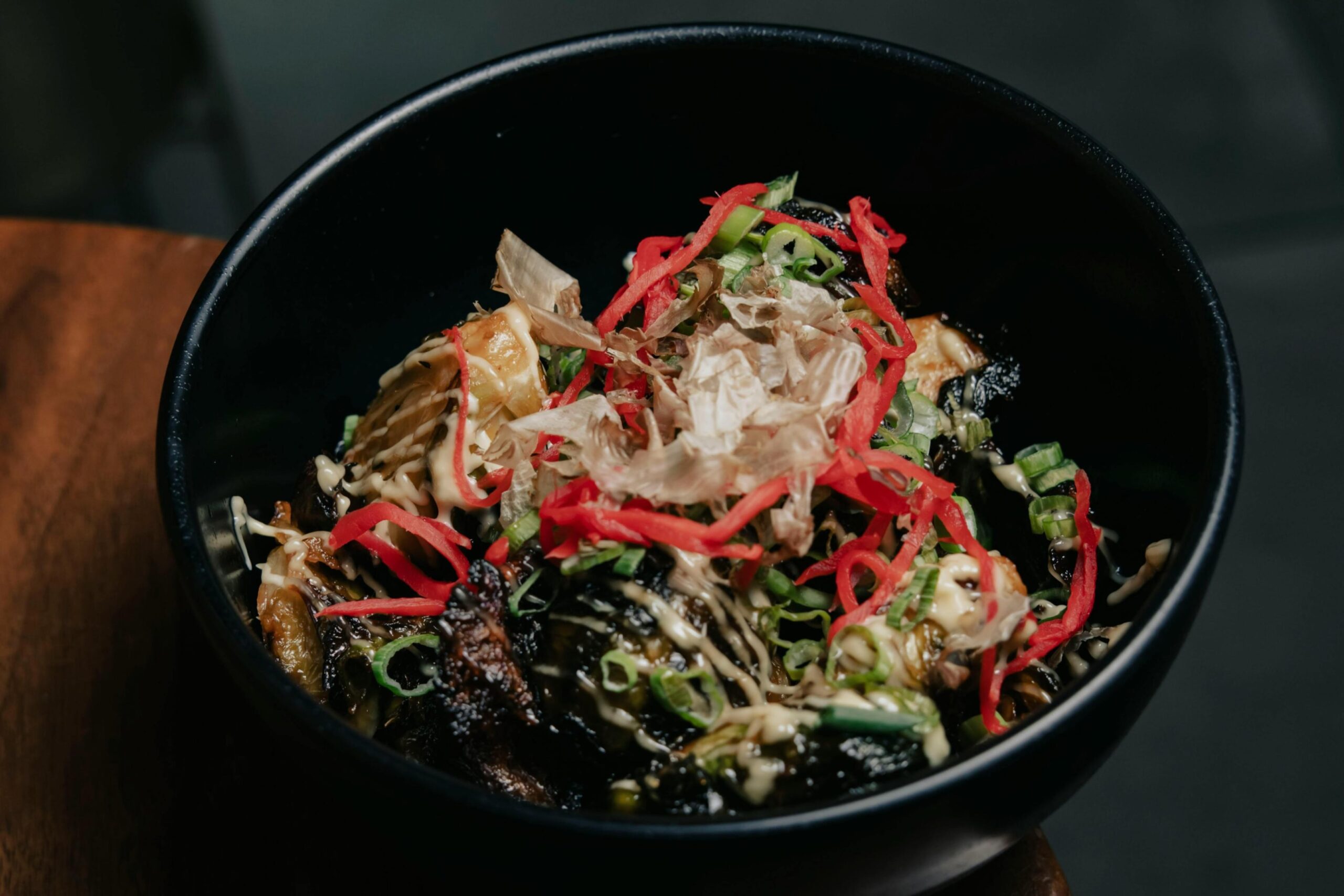
Vegan izakaya styling and food photography have made Japanese vegan dining an immersive visual experience, full of hope, fun, and creativity. Whether you’re planning your next trip to Tokyo, scrolling a vegan blog post for new ideas, or seeking vegan friendly options on the dinner menu, remember: the art on your plate is an invitation to taste, share, and celebrate a plant based way of eating. Travelers passing through Tokyo Station can find a convenient and delicious vegetable bento box, making it easy to enjoy vegan izakaya styling even on the go.
On your next visit, try these tasty vegan options, bring friends, and let your meal tell a story worth sharing. With every delicious bite, you become part of a global movement redefining what a traditional Japanese meal can be.