
I stumbled upon it by accident. I was chasing the golden hour light through the back alleys of Jalan Besar, camera in hand, when a rhythmic tapping sound drew me in. Peeking into a dimly lit workshop, I saw an elderly man meticulously carving intricate designs into a large wooden panel. The air was thick with the scent of sawdust and history. In that moment, I realized I had found something special, a quiet corner of Singapore where time seemed to move at a different pace.
This encounter sparked my passion for creating Singapore photographs that document our nation’s rich Singaporean culture and its dying trades; a mission to preserve these traditional crafts before they disappear. The influence of China is evident in many of these traditions, from the vibrant streets of Chinatown to the preservation of traditional Chinese customs and festivals.
These are not the typical tourist spots. They are the living, breathing workshops of craftsmen dedicated to skills that are slowly fading. Photographing them offers a unique chance to tell stories of dedication, heritage, and local customs that shape the island’s distinct identity.
Both traditional and contemporary artists play vital roles in shaping Singapore’s cultural identity, blending old art forms with modern expressions. Here are four places where you can find these stories unfolding, showcasing the diversity and cultural practices of Singaporeans across the city, including the significant contributions of Indians to Singapore’s multicultural makeup.
A Stand Out from Other Asian Countries: Singapore’s Dying Trades
Singapore is a city known for its rapid modernization and gleaming skyscrapers, but beneath this modern facade are pockets of tradition and craftsmanship that have stood the test of time. These dying trades, practiced by a dedicated few, offer a glimpse into Singapore’s rich cultural heritage influenced by Malay, Chinese, Indian, and other Asian countries’ traditions.
As a country and an island located in Southeast Asia, Singapore plays a unique role as a multicultural hub within the Asian continent. Singapore’s strong trade relationships, especially with major partners like Malaysia, have shaped its development and cultural exchanges. Through the lens of a camera, we can capture photographs of Singapore filled with these fleeting moments, and preserve the legacy of these artisans for future generations.
1. The Joss Stick Maker of Ann Siang Hill
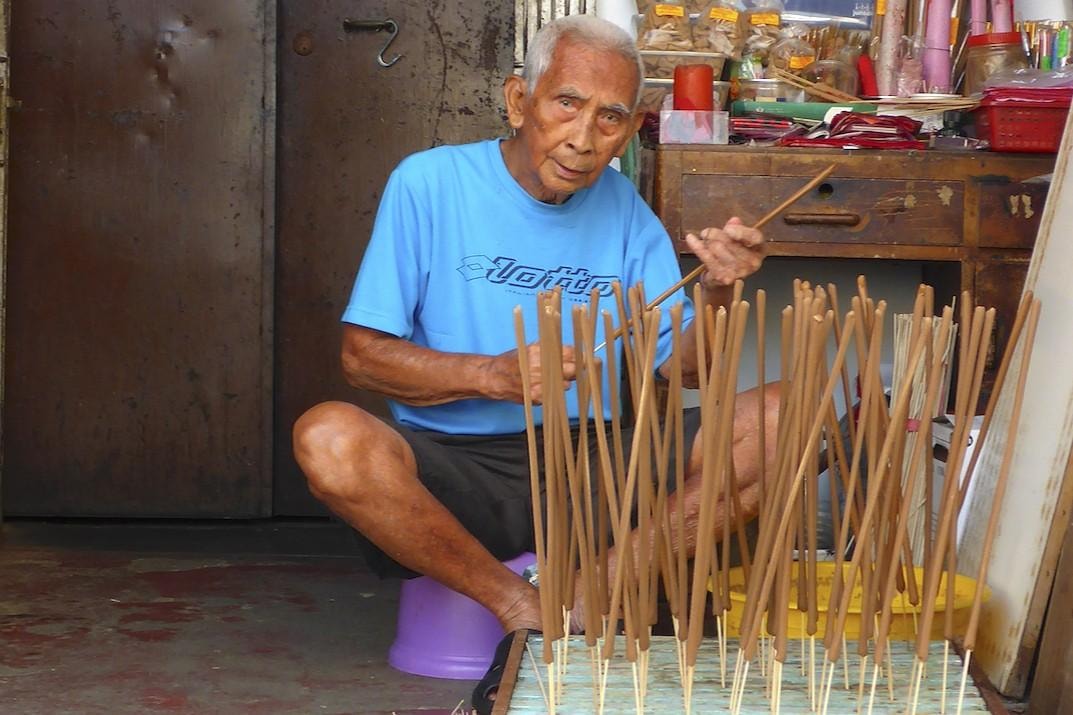
- Location: The corner of Ann Siang Hill and Club Street. Look for the small, unassuming workshop.
- What Makes It Special: One of the last remaining joss stick makers in Singapore, this craftsman continues an ancient tradition. The workshop was established decades ago, adding to its reputation as a long-standing part of the community. Hundreds of freshly made joss sticks dry in the sun along the alley, their vibrant red color a striking sight against the backdrop of historic shophouses. Joss sticks refer to incense sticks used in various cultural and religious ceremonies; you can refer to local heritage resources to learn more about their significance in Singaporean traditions.
- Photo Tips: Late afternoon is ideal to capture long shadows and the glowing red sticks. Use a wide-angle lens (24mm or 28mm) to showcase the scale and atmosphere. This public space allows for candid shots, but be mindful and respectful of the craftsman’s work.
2. The Songkok Maker in Kampong Glam
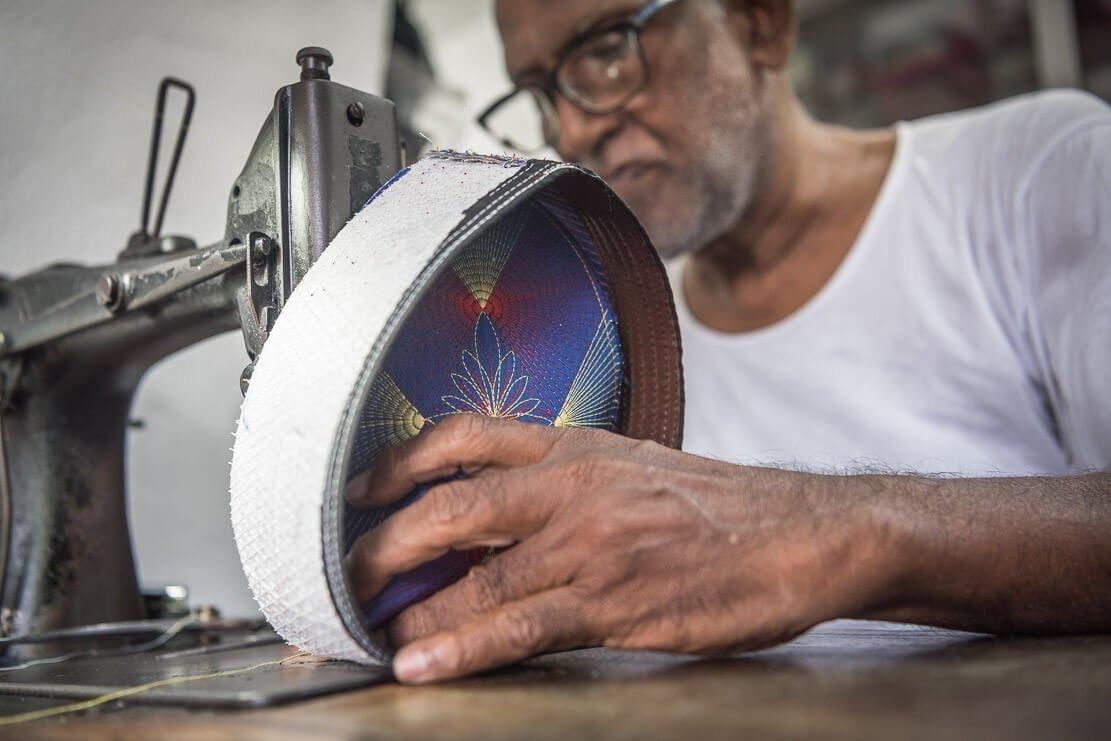
- Location: 73 Arab Street, Singapore 199770 (Haji Abdul Wahab Songkok)
- What Makes It Special: The songkok, a traditional Malay cap worn by Muslim men, is handcrafted here by a master artisan. In Singapore’s multicultural society, the area is also home to vibrant Tamil culture, reflecting the significance of the Tamil language and community alongside Malay and Chinese influences. Visitors often address the artisan as ‘uncle’, a respectful and affectionate local term, adding warmth to the experience. Surrounded by velvet fabrics and finished hats, the intimate shop reveals intricate details of this cultural symbol.
- Photo Tips: Use a 50mm lens for close portraits and detailed shots without crowding the space. Fluorescent lighting lends itself well to black-and-white photography, creating timeless images. A quiet, respectful approach helps build rapport; sharing photos with the owner often results in genuine smiles.
3. The Bird Singing Corner in Ang Mo Kio
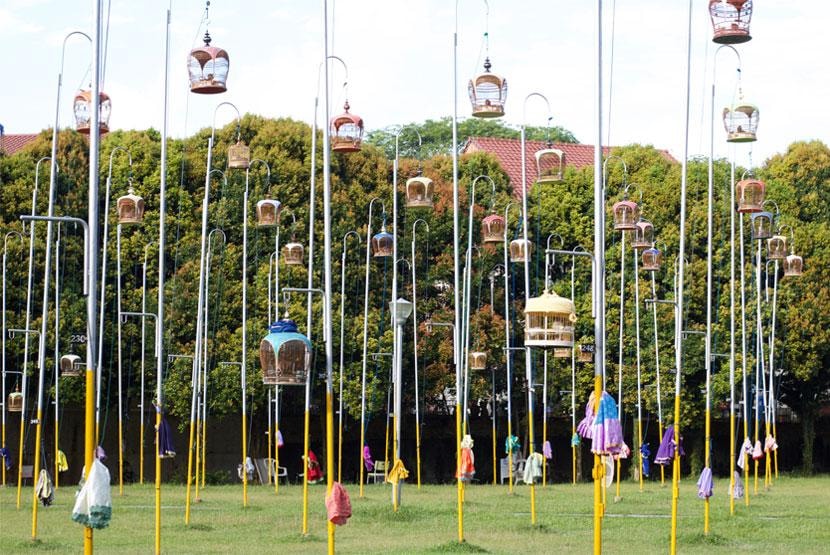
- Location: Kebun Baru Birdsinging Club, Ang Mo Kio Town Garden West.
- What Makes It Special: This cherished Singaporean tradition brings together elderly men who gather on weekend mornings to showcase their prized songbirds. The symphony of chirps and the sight of hundreds of cages hanging high on poles create a unique cultural scene. Visitors and participants can often be seen briskly walking between bird cages, reflecting the local habit of walking at a fast pace. Social etiquette is observed as participants rest and watch quietly, waiting for their turn to interact or display their birds, showing respect for elders and the flow of the gathering.
- Photo Tips: Early Sunday mornings offer soft light and peak activity. A telephoto lens (70-200mm) is essential to capture detailed shots of birds and proud owners from a respectful distance. This scene beautifully illustrates community spirit and cultural continuity.
4. The Kopi Roaster at Ho Tit Coffee Powder Factory
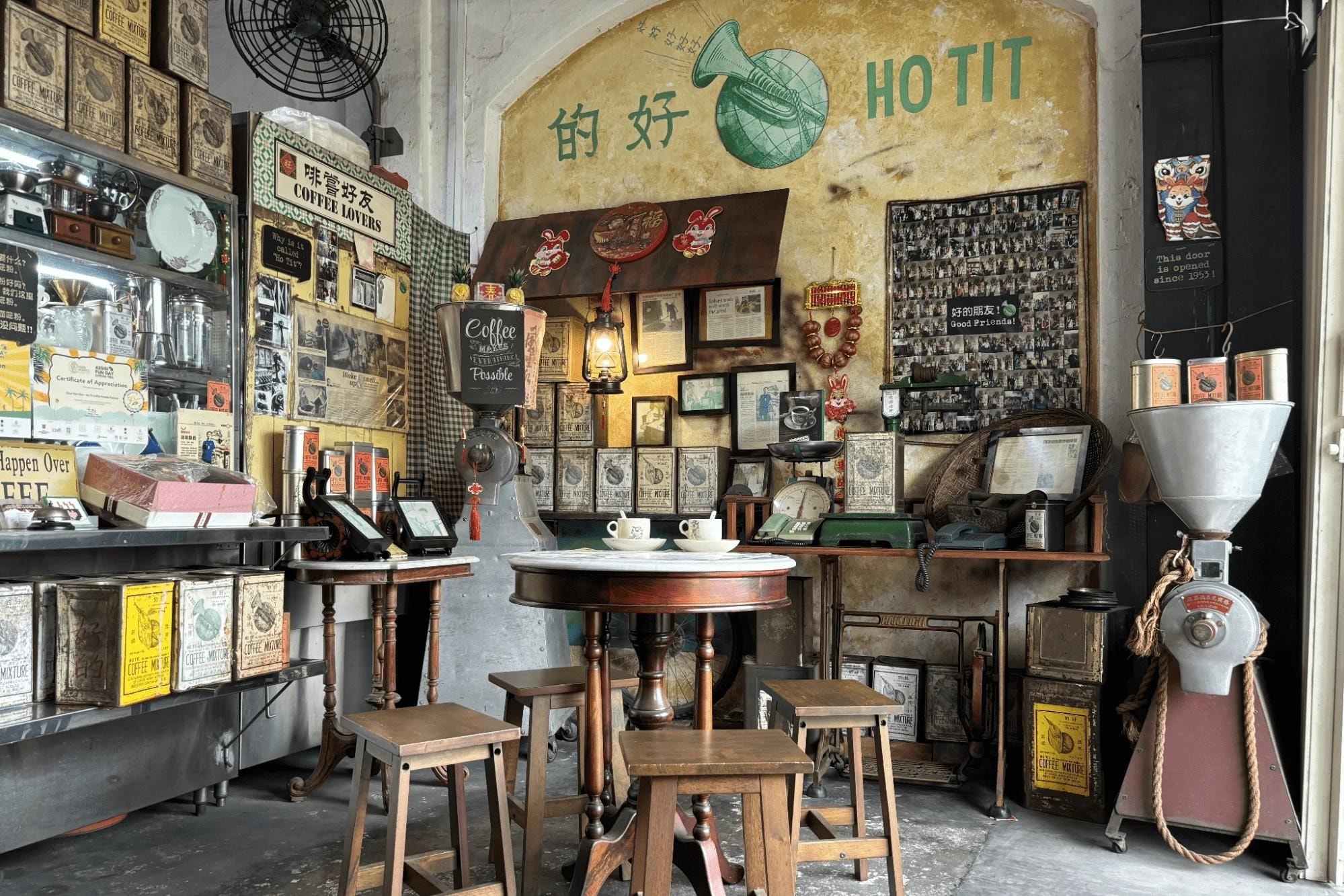
- Location: 402 Upper Paya Lebar Road, Singapore 534988
- What Makes It Special: For over 70 years, this factory has roasted coffee beans the traditional way, blending butter and sugar to create a distinctive local flavor. The sights, sounds, and aromas provide a rich sensory experience rooted in Singapore’s food heritage. Nearby hawker stalls offer a variety of local seafood dishes, adding to the diversity of the area’s food culture. You might also hear pop or rock music playing in the factory or from neighboring shops, contributing to the lively atmosphere.
- Photo Tips: Arrange visits during roasting sessions for the best shots. The dark, industrial interior calls for a fast lens (f/1.8 or wider) to capture moody, atmospheric images. Focus on steam rising from hot beans and the roaster’s focused expression to tell a compelling story of craft and dedication.
East Meets West: The Revival of Singapore’s Performing Arts
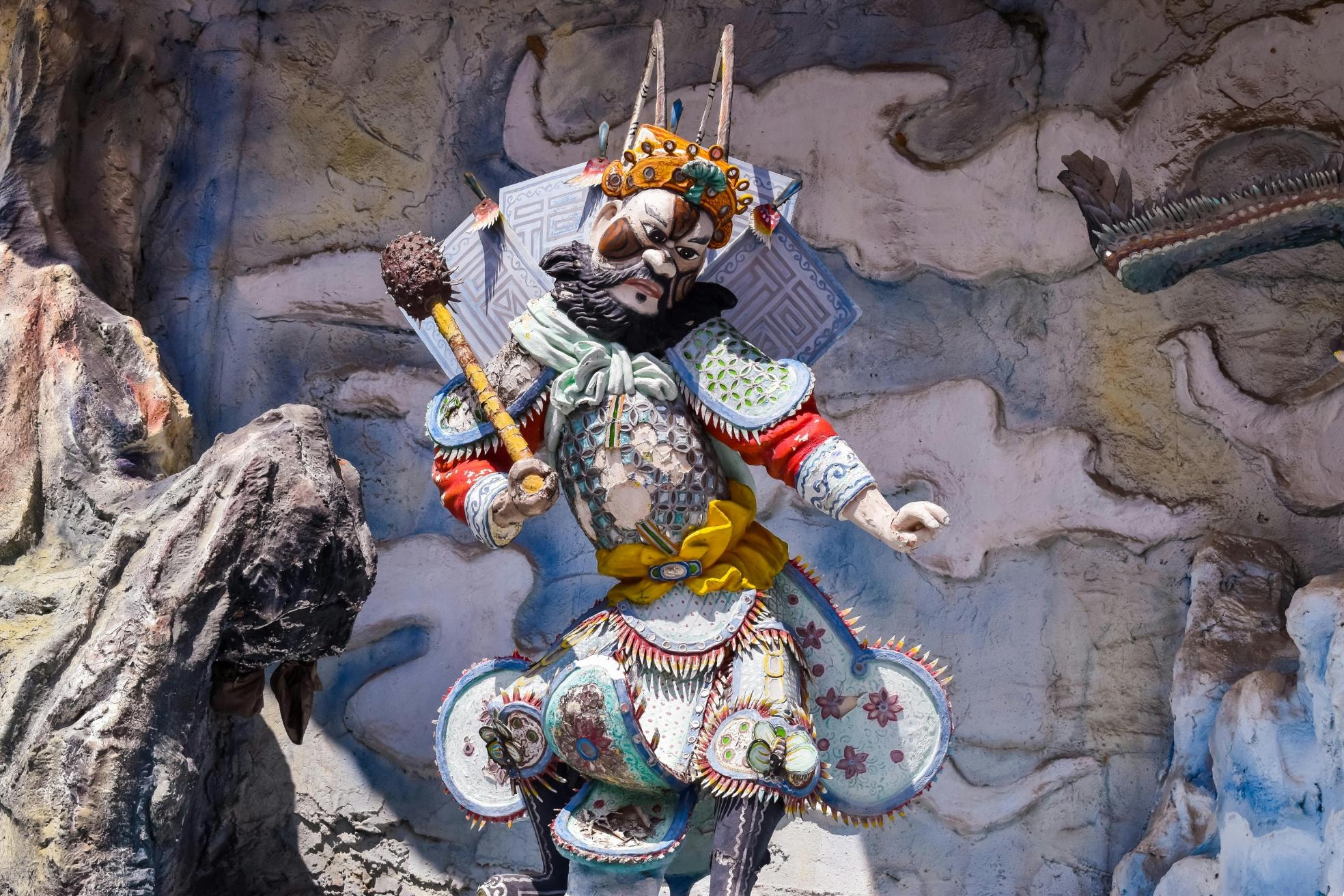
One evening, I found myself at a quaint theatre tucked away in a vibrant neighbourhood of Singapore, drawn by the promise of a traditional performing arts play. Cultural and community centres across the city serve as important venues for such performances, fostering the growth of the arts.
As the lights dimmed and the curtains rose, I was transported into a world where classical Asian dance and Western theatre seamlessly intertwined, reflecting Singapore’s unique cultural heritage and its position as a city where east meets west. The performers moved with grace and precision, their expressions telling stories that echoed the city’s diversity and rich traditions. Visual arts, such as paintings, are often showcased alongside these performing arts, highlighting the breadth of Singapore’s creative scene.
With my camera in hand, I captured moments of this mesmerizing fusion: the delicate hand gestures, the vibrant costumes illuminated by stage lights (some featuring the iconic mandarin collar), and the intense emotions that filled the room. Singapore’s performing arts scene is a dynamic blend of classical and contemporary forms, influenced by multicultural exchange and modernity, showcasing themes and subjects that resonate with the present-day community.
The Ministry of Education and other ministries play a significant role in supporting and promoting the arts, ensuring their continued relevance. Performances are often multilingual, with artists and audiences who speak and perform in a variety of languages, including English, Malay, Tamil, and Mandarin, reflecting Singapore’s linguistic diversity. This multilingual environment adds depth to the performances.
- What Makes It Special: Photographing performing arts in Singapore demands a blend of technical skill and sensitivity to the flow of the performance. Capturing the essence of the moment involves understanding the dynamics of the show and anticipating key movements and expressions that reflect Singaporean culture and its evolving artistic landscape. The widespread popularity of certain art forms and festivals is prevalent, making each event a unique subject for photography.
- Photo Tips: Use a fast lens with a wide aperture (f/1.8 or f/2.8) for low-light conditions, keep ISO low to reduce noise but adjust as needed, and use a fast shutter speed to freeze dynamic movements. Familiarize yourself with the performance to anticipate key moments, shoot in RAW for flexible editing, and consider black-and-white to highlight emotion and form. Minimize flash and movement during the show to respect performers and the audience. Attending performances during festivals such as the National Day Parade in August, which celebrates Singapore’s independence and year’s day, or during Christmas and other major festivals, can offer unique photographic opportunities. Many of these events feature free public performances, allowing everyone to celebrate Singapore’s vibrant music, dance, and theatrical traditions. If you are visiting Singapore, be sure to check local listings for performances at major centres and festivals to fully experience the city’s rich performing arts scene.
Documenting these Singapore trades is a deeply rewarding experience. It connects us with our city’s past and honors the people who keep these traditions alive, preserving Singaporean culture and local customs for future generations. Each click of the shutter captures the essence of Singapore’s diverse heritage influenced by Malay, Chinese, Indian, and other Asian cultures.
These traditions are often taught from one generation to the next, with children learning the unique techniques that define each craft. Whether at school or through family, the passing down of skills is a vital sign of cultural continuity. The rich cultural tapestry reflects the diverse races that coexist in Singapore, each contributing to the vibrant economy and social fabric.
I invite you to explore these unique corners of our city, from hawker centres where you can eat authentic local dishes to traditional workshops, and perhaps discover your own hidden gems. If you do, please share them. The stories of Singapore’s rich cultural practices, from food stalls to performing arts, are out there, waiting to be told. You can see more of my work capturing these moments on my travel photography page, showcasing the vibrant life, traditions, and the spirit of Singapore, supported by economy data that highlights the importance of preserving these cultural trades.