
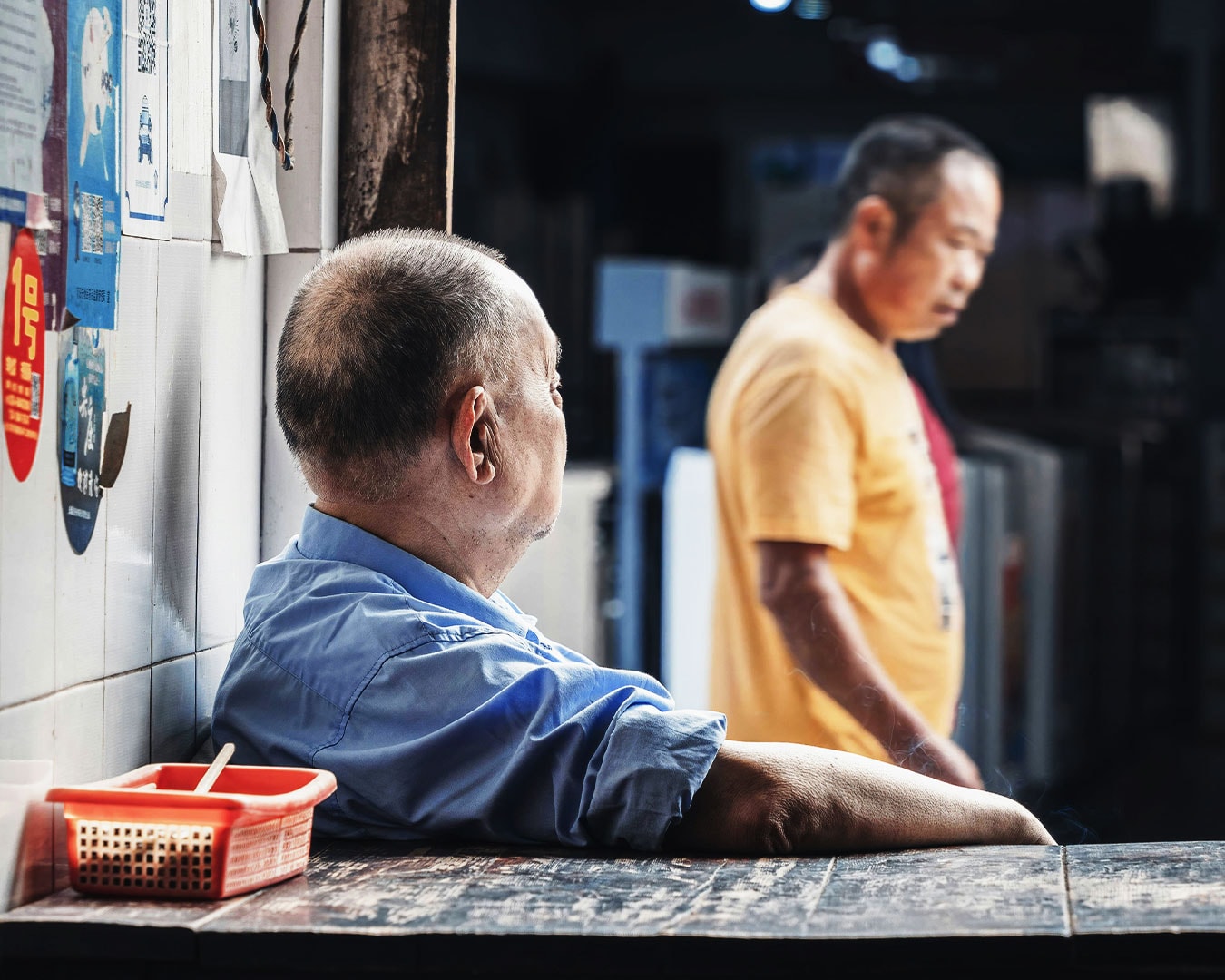
In Singapore’s fast-paced cityscape, where gleaming skyscrapers and engineered gardens dominate, the true heart of the city beats strongest in its unpolished hawker centres. These vibrant food hubs are the lifeblood of Singapore’s food system, serving as essential community dining rooms where diverse ethnic groups gather to eat, share, and preserve traditions. Singapore hawker culture photography seeks to capture this dynamic, complex world, one filled with energy, history, and cultural heritage that often goes unnoticed amid the city’s polished exterior.
For photographers, consumers, and the wider world, these food hubs offer a rich tapestry of stories waiting to be told. By looking closer and embracing the complexity of these spaces, we celebrate a vital part of Singapore’s identity and contribute to preserving its culinary legacy for generations to come. For an authentic taste experience, explore the renowned clam noodles at Fortune Centre’s culinary offerings, a perfect example of hawker culture’s rich flavors and traditions.
Hawker Centres: The Core of Singapore’s Food System and Cultural Heritage
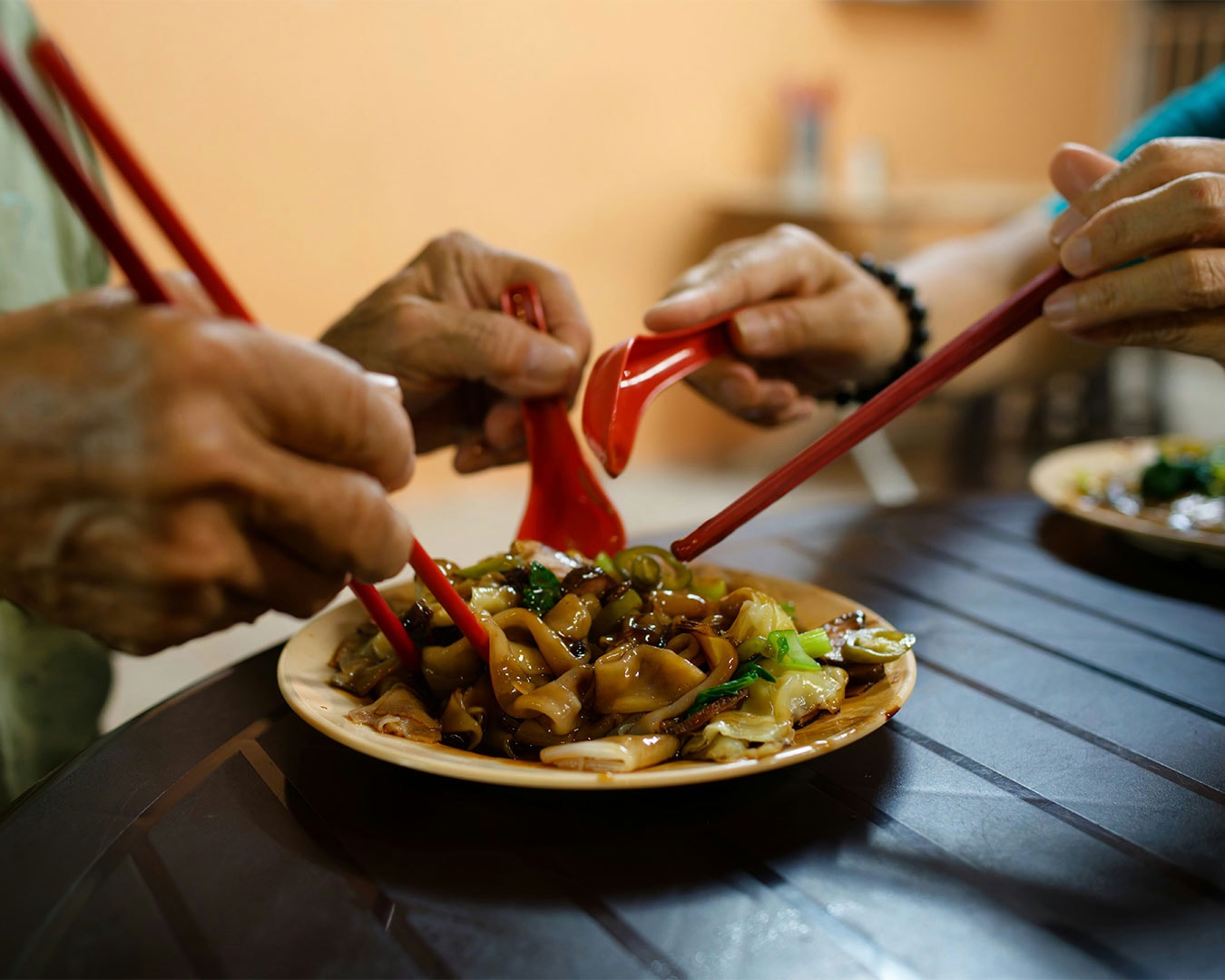
Singapore hawker centres are more than just places to eat; they are social equalizers and living archives of the country’s culinary mosaic. Unlike chain supermarkets or large restaurants, these centres provide affordable access to a wide variety of food, including produce, meat, vegetables, rice dishes, and tea, supporting food sovereignty and combating food insecurity, especially among low income communities.
The distribution of hawker centres across Singapore reflects historical patterns and the city’s diverse population. They coexist alongside farmers markets and independent retailers, forming a complex food system that has evolved over decades. Unlike many large cities in America or elsewhere, Singapore’s hawker centres have remained resilient despite shifts in retail and consumer habits over the past decade. This resilience is due to several reasons: their deep cultural roots, community support, and adaptability.
The Essence of Singapore Hawker Culture Photography
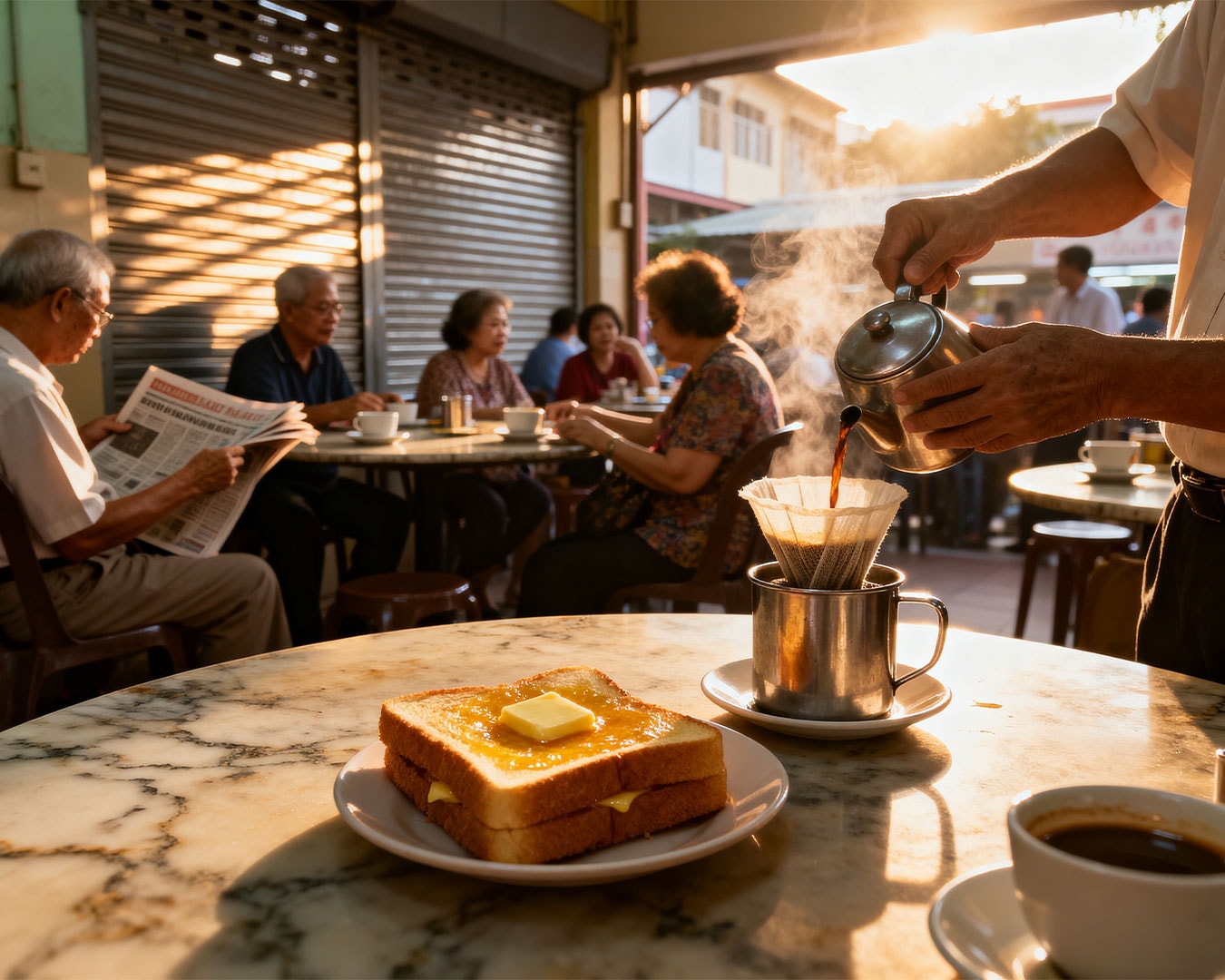
Photographing Singapore hawker centres is a unique challenge that requires embracing imperfection, complexity, and the vibrant energy of these bustling food hubs. The lighting is often harsh or mixed, the environment noisy and crowded, with steam rising from noodle stalls and the aroma of garlic and spices filling the air. These sensory elements create a rich visual texture that reflects the authentic spirit of hawker culture and its deep cultural heritage.
Key visual elements include:
- The Choreography of Labor: Hawkers’ practiced movements, tossing noodles, pouring kopi (coffee), grilling satay, are dances honed over decades. Capturing these moments reveals the skill, dedication, and artistry behind each dish, highlighting the growth and evolution of hawker businesses over time.
- The Patina of Time: Faded signboards, worn tables, hand-painted prices, and the unique stalls sold by multi-generational families tell stories of the past, connecting food photography to Singapore’s rich cultural heritage and the social fabric of its streets and neighborhoods.
- Intergenerational Connections: Scenes of families and diverse communities sharing tables in these community dining rooms highlight the social cohesion fostered through hawker culture, supporting education about food traditions and cultural identity across ethnic groups including Chinese, Malay, and Indian communities.
- The Social Role of Hawker Centres: These centres feed not only the body but also the soul of Singapore’s population, acting as accessible places where people from all walks of life come together, bridging social and economic divides in a shared dining experience.
By capturing these elements, Singapore hawker culture photography preserves an intangible heritage recognized by UNESCO and supports the continued profit and sustainability of independent hawker stores, ensuring that this vital aspect of Singapore’s food system eventually thrives amid urban development and changing consumer habits.
Food Photography Techniques in Singapore Hawker Centres
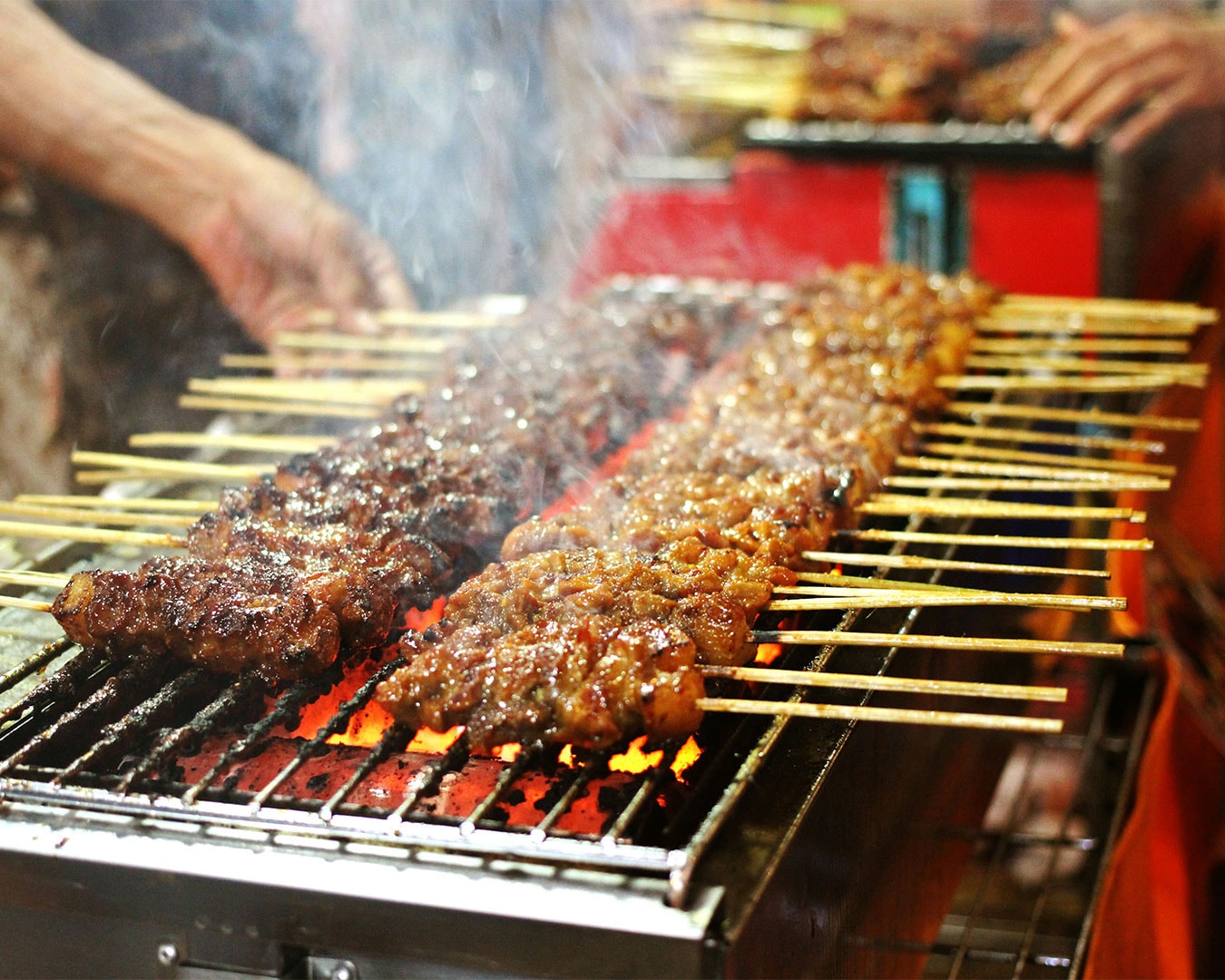
Successful hawker photography balances documentary realism with commercial appeal. Photographers must navigate challenges such as low light, mixed lighting sources, and crowded spaces. Technical strategies include:
- Using high ISO settings to embrace grain, which adds to the gritty, honest aesthetic.
- Framing subjects using architectural elements like pillars or window frames to isolate moments within the busy environment.
- Timing shots to capture steam rising from fresh dishes, a key cultural code signaling heat and freshness.
- Focusing on human elements, hands, faces, or gestures, to tell stories beyond the food itself.
This approach honors the authenticity of hawker culture while creating images that engage consumers and support the businesses that depend on annual sales from these vibrant markets.
Hawker Centres as Community Dining Rooms: Social and Cultural Significance
Hawker centres are communal spaces where Singapore’s multicultural population converges. They reflect the country’s migration history and the culinary traditions of Chinese, Malay, Indian, and other ethnic groups. Unlike private dining rooms, these community dining rooms are public by design, fostering interactions across social and economic lines.
The food served, from fragrant rice dishes to complex noodle preparations and fresh fruits and vegetables sourced from local farms and markets, nourishes not only the body but also the community’s cultural identity. Hawker centres support food sovereignty by enabling access to affordable, culturally relevant food, contributing to population health and social cohesion.
For more inspiration on capturing Singapore’s vibrant scenes, check out EatPlayStay, a great resource for photography spots in Singapore.
The Economic and Social Context: Hawker Culture in a Changing World
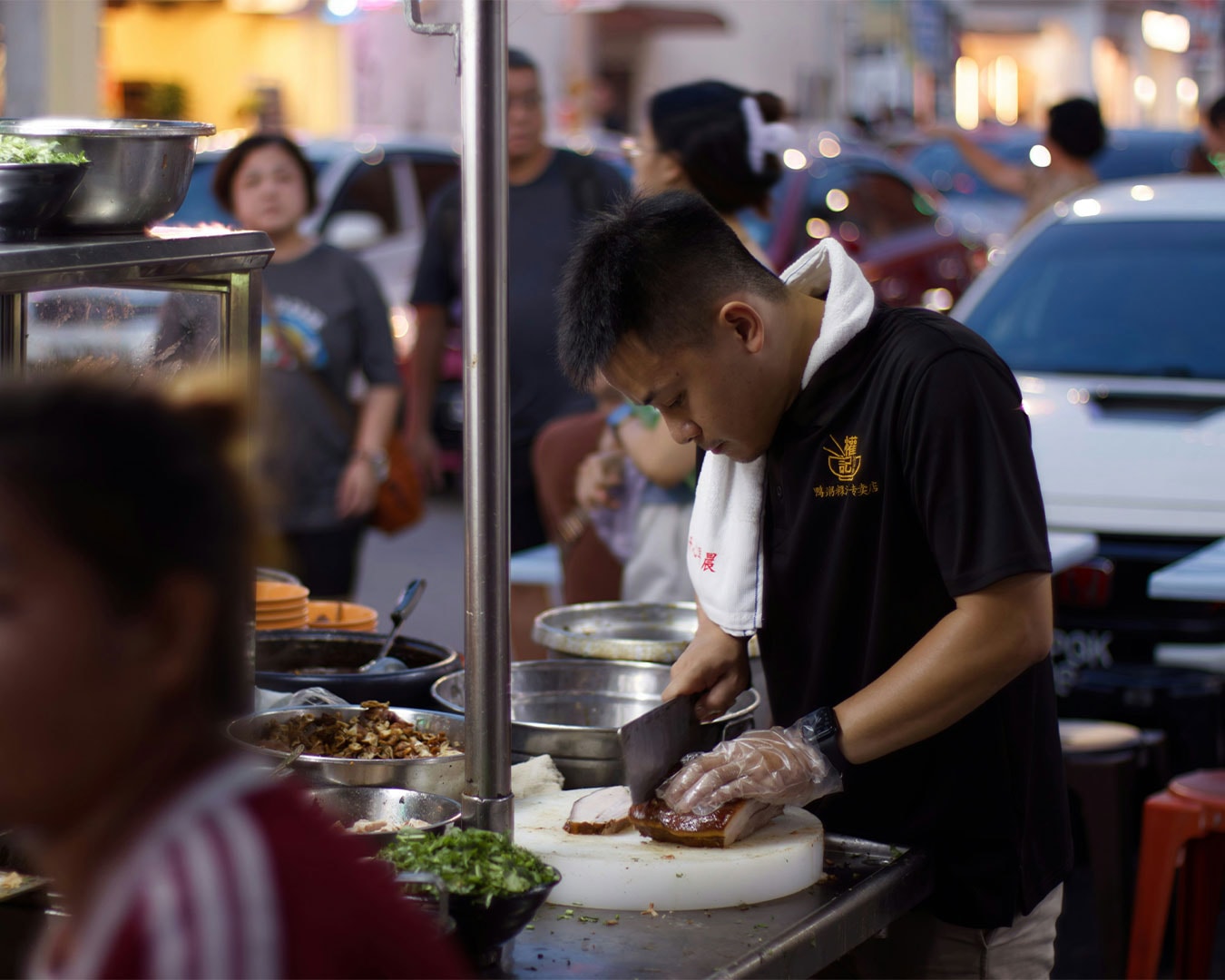
Over the past decade, Singapore hawker centres have faced pressures from urban redevelopment, changing consumer preferences, and competition from chain supermarkets and restaurants. Yet, they continue to thrive due to strong community ties and innovative business strategies.
For instance, many hawker businesses have adapted by incorporating modern packing and delivery services, appealing to younger consumers while maintaining traditional flavors. This shift reflects broader trends in food consumption and retail operations seen in large cities worldwide, including American cities.
Research shows that hawker centres contribute significantly to Singapore’s food economy, supporting independent businesses and preserving cultural heritage. Despite challenges such as food insecurity and low income in some communities, hawker culture remains a vital part of the city’s identity and food landscape.
Preserving Hawker Culture Through Photography: A Strategy for the Future
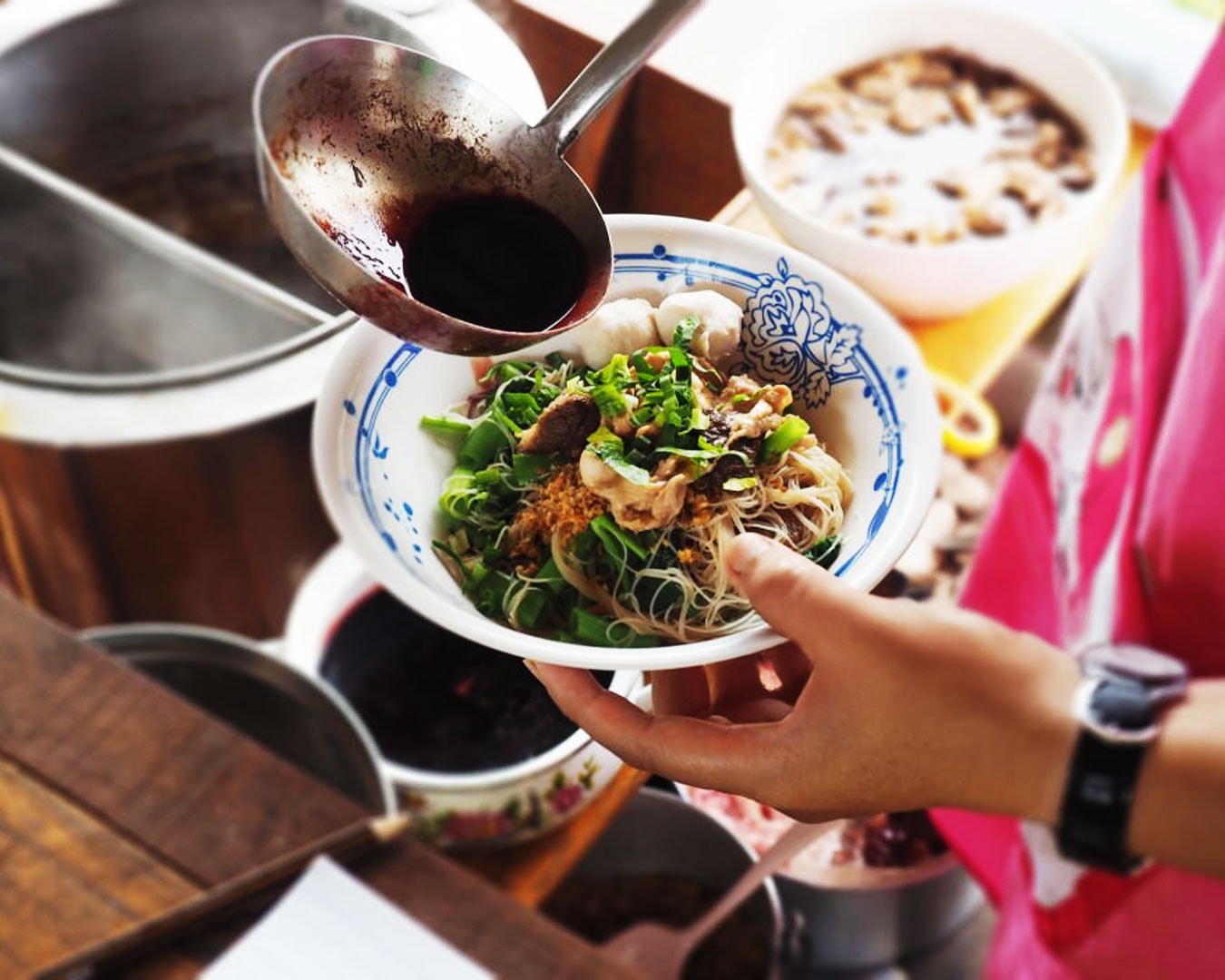
Photography plays a crucial role in documenting and preserving Singapore’s hawker culture, serving as both an art form and a powerful tool to raise awareness about the cultural heritage and economic significance of these vibrant food hubs. By capturing the energy, complexity, and human stories behind each dish and stall, photographers help to immortalize the rich traditions that define Singapore hawker centres.
A mindful and respectful approach to Singapore hawker culture photography involves building genuine connections with hawkers and consumers alike. Photographers spend time understanding their stories, challenges, and the intricate culinary techniques passed down through generations before lifting the camera. This engagement fosters trust, resulting in authentic photos that honor the people, the food, and the cultural identity embedded within these community dining rooms.
As Singapore continues to evolve, these powerful photos serve as visual records of a unique culinary heritage, supporting efforts to sustain hawker culture in the face of societal changes. They also inspire new plans and strategies for preserving and celebrating hawker centres as essential social and cultural spaces, ensuring that this beloved food system continues to thrive for future generations.
Conclusion: Seeing the Extraordinary in Singapore’s Everyday Food Hubs
Singapore hawker culture photography reveals the extraordinary within the ordinary, the worn tables, the rising steam, the rhythmic motions of hawkers, and the vibrant communities gathered around shared meals. These images capture not only food but also the cultural heritage, social connections, and resilience that define Singapore’s hawker centres.
For photographers, consumers, and the wider world, these food hubs offer a rich tapestry of stories waiting to be told. By looking closer and embracing the complexity of these spaces, we celebrate a vital part of Singapore’s identity and contribute to preserving its culinary legacy for generations to come.