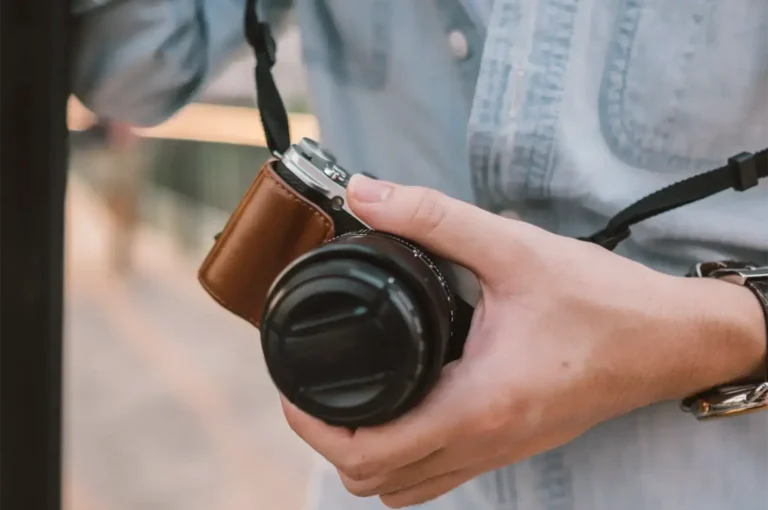
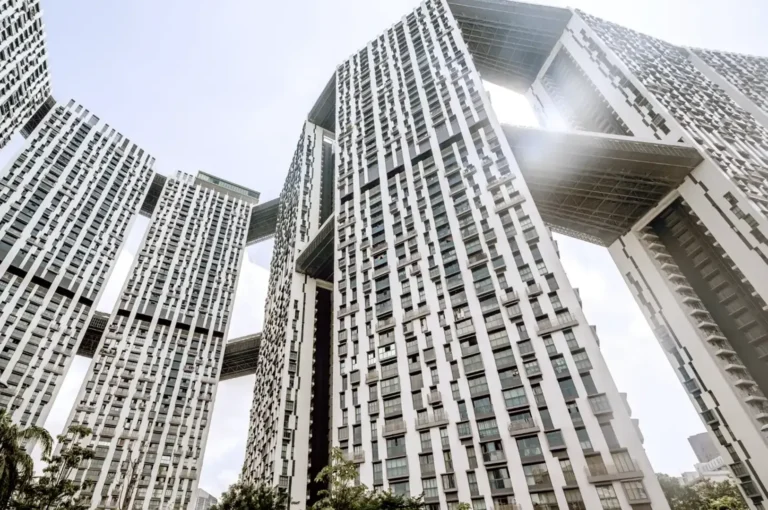

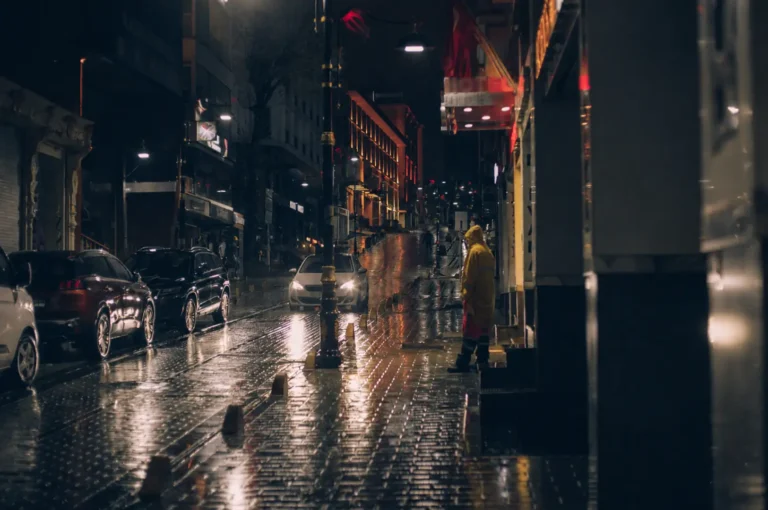
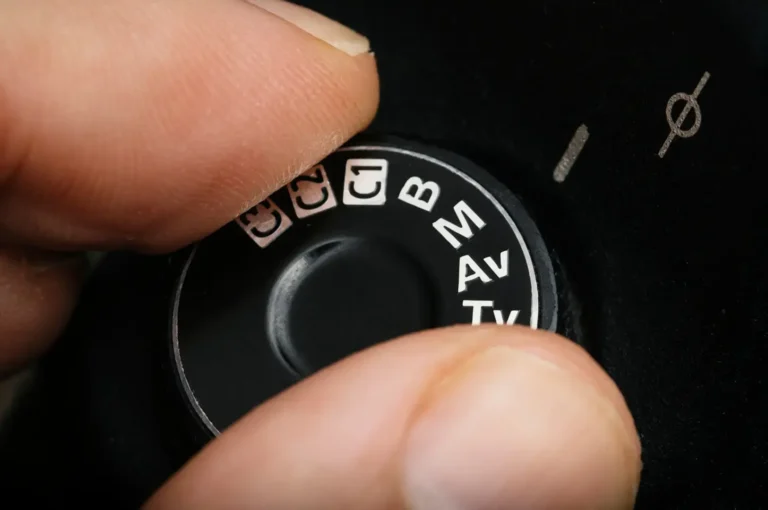
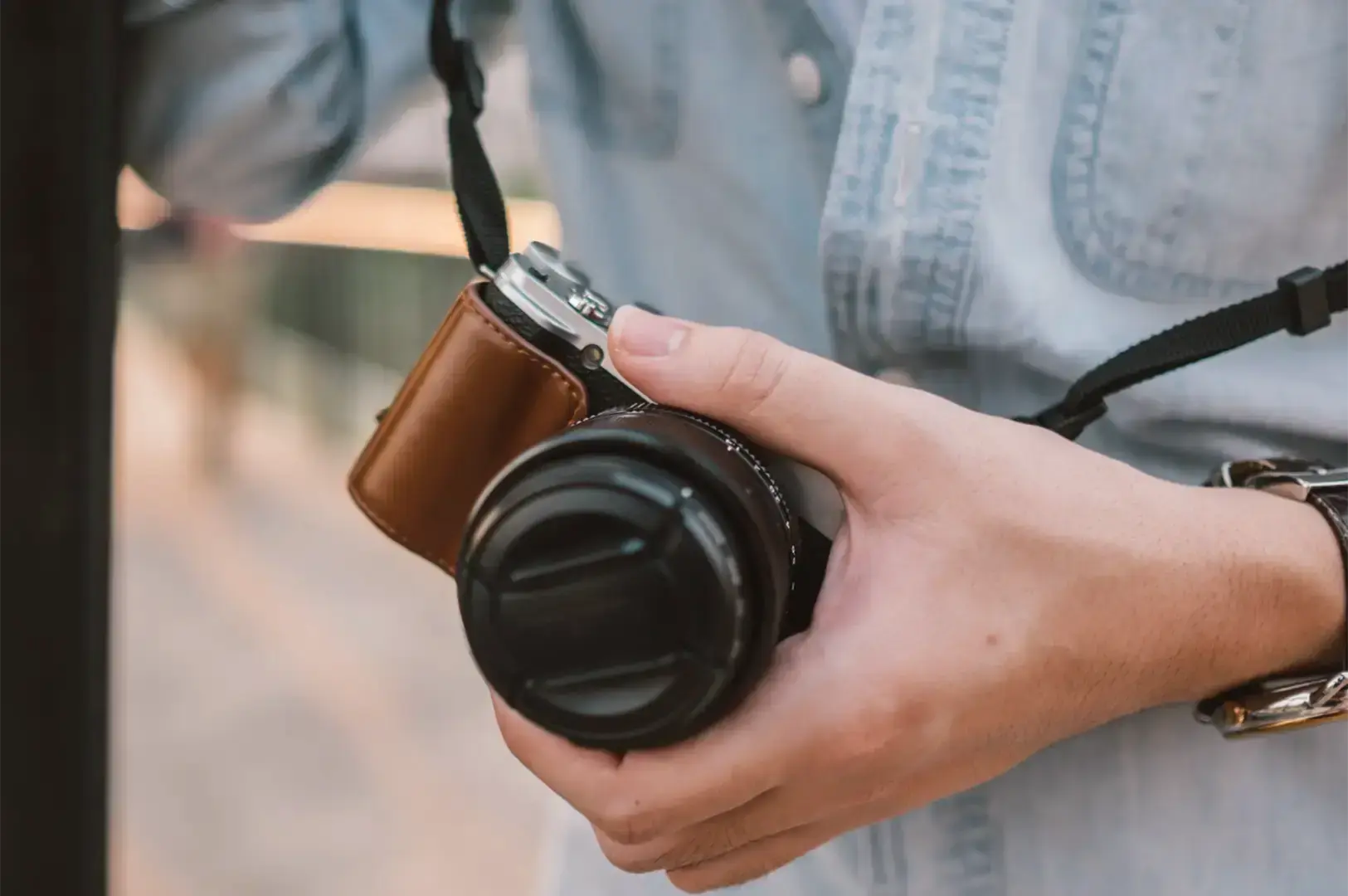
Noon on a shophouse street. White facades throw light back at you. Two steps away, the five-foot way sits in deep shade. By evening, the same camera hangs heavier. The battery icon is lower than you'd like. And the question of mirrorless vs DSLR feels less like a spec sheet and more like a feeling in your shoulder.
That is the question worth asking: across a full day of travel, what actually changes?
DSLR vs Mirrorless Cameras: What Actually Changes
The core difference is a mirror. DSLR cameras bounce light up into an optical viewfinder. Mirrorless cameras send it straight to the digital sensor and show you an electronic image. Both are digital camera systems with interchangeable lenses, but they take different routes to the final image.
Feature | DSLR | Mirrorless |
|---|---|---|
Viewfinder | Optical, via reflex mirror | Electronic viewfinder or rear screen |
Autofocus | Dedicated AF sensor through the viewfinder | Usually sensor-based |
Battery | Optical viewing can use less power | Electronic viewing draws constant power |
Lenses | Established mounts, large existing selection | Native mounts, plus adapted lenses |
Video | Varies by model | Many recent models prioritize it |
Image quality | Depends on sensor, lens, settings | Depends on sensor, lens, settings |
That last row matters most. Removing a mirror does not make photographs sharper. Image quality comes from the sensor, the lens, and how you use them. DSLR sensors are not inherently inferior to mirrorless sensors, and a well-exposed photograph from a modern DSLR can be every bit as compelling.
Mirrorless Cameras and DSLR Cameras: Size, Weight, and the Full System
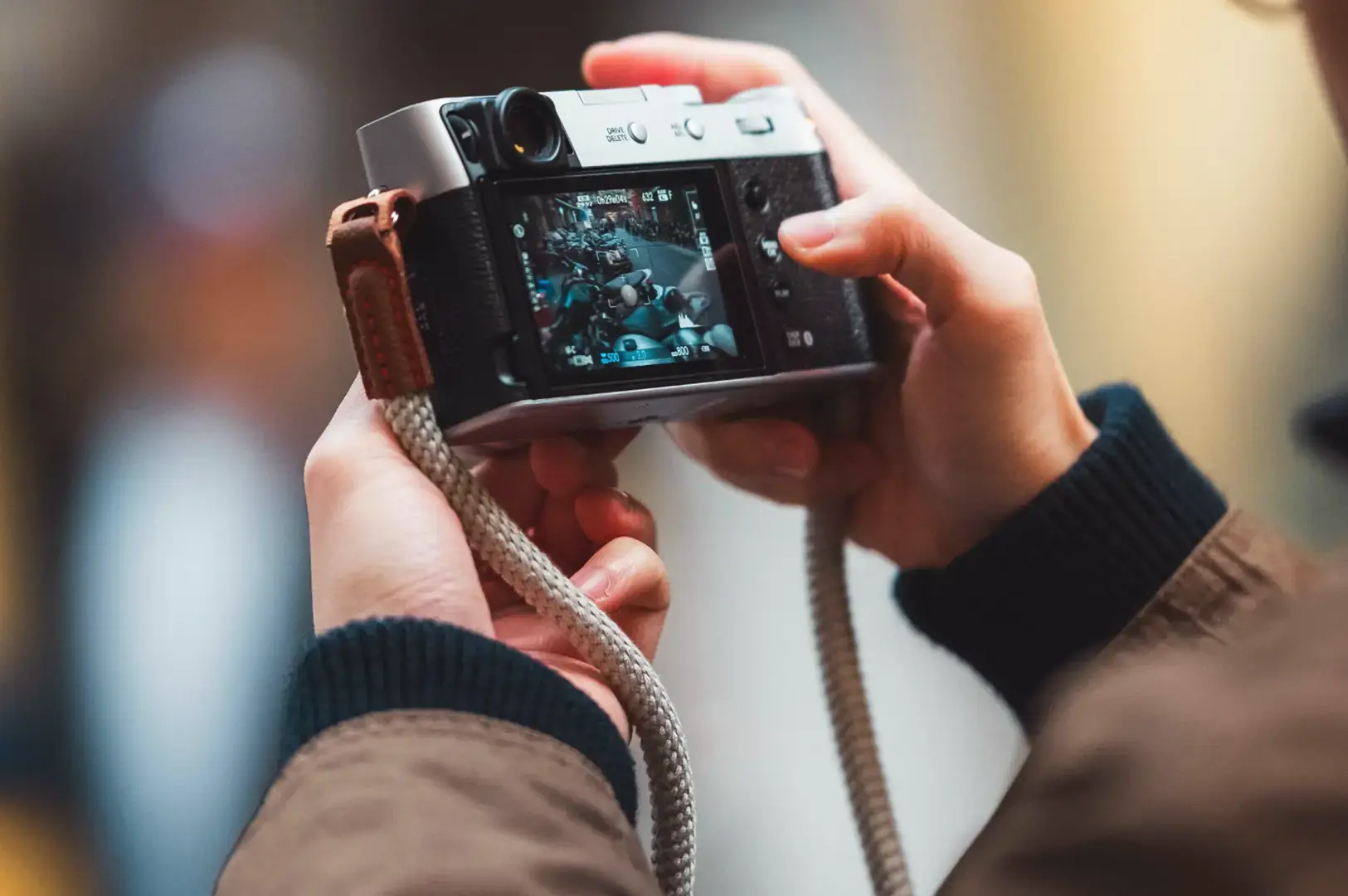
Without a mirror box, camera makers can build smaller mirrorless bodies. But a small mirrorless camera body paired with a large full frame zoom lens can still drag on your neck by mid-afternoon.
The honest calculation is the whole bag: body, lenses, batteries, accessories. A compact DSLR kit with one modest lens can weigh less than a full frame mirrorless camera carrying a heavy professional zoom. Even a compact camera with a fixed lens may be worth considering if portability matters more than lens flexibility.
A larger camera handles larger lenses differently, too. Some photographers find the deeper grip of a DSLR or larger mirrorless body easier to balance with a telephoto lens. I'd suggest comparing the manufacturer's listed weights for the exact combination you plan to carry, not the category label.
Optical Viewfinder vs Electronic Viewfinder
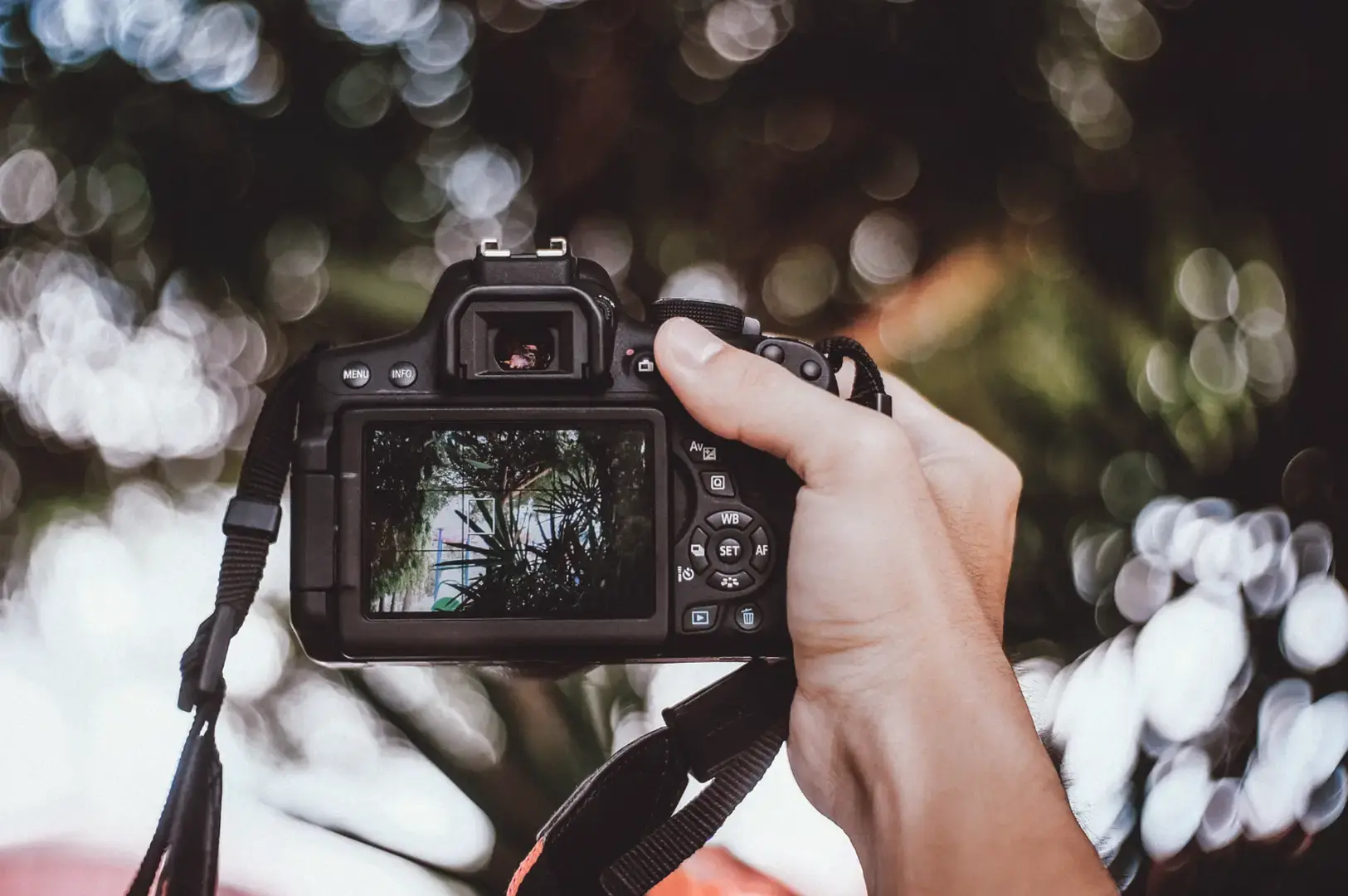
An optical viewfinder shows you the scene itself, through the lens. Some photographers prefer that direct optical image when following unpredictable movement. It can't preview your exposure, though.
An electronic viewfinder can. Step from glare into shade and you see the brightness change before you press the shutter. Many models add a live histogram and focus peaking, which helps with manual focus on adapted lenses, including older manual lenses. Peaking is an aid, not proof of sharpness.
The rear LCD screen offers another way to compose, whether you're using a DSLR in live view or a mirrorless camera. An articulated LCD display can be particularly useful when photographing from low angles. Viewfinder lag and refresh vary between models, so look through one outdoors before deciding. Mirrorless technology has improved considerably, but the experience still depends on the specific camera.
Autofocus Speed and Tracking
Through the viewfinder, a DSLR uses a dedicated phase-detection AF sensor. Mirrorless systems usually focus with the imaging sensor itself, which allows subject detection and autofocus tracking across much of the frame.
For wildlife photography, picture a bird lifting off a mangrove branch. A modern mirrorless model with bird detection may make tracking easier. A capable DSLR with a suitable telephoto lens can still do the job. The very best pro DSLRs were designed for demanding professional assignments, including those faced by sports and action photographers.
A high speed DSLR with a sophisticated AF system can outperform an entry-level mirrorless model in certain situations. Autofocus speed depends on camera, lens, light and settings. Different autofocus systems also respond differently to movement, low contrast and partially obscured subjects. When testing, watch whether focus stays on your subject, not how many AF points are advertised.
DSLR Lenses vs Mirrorless Lens Systems
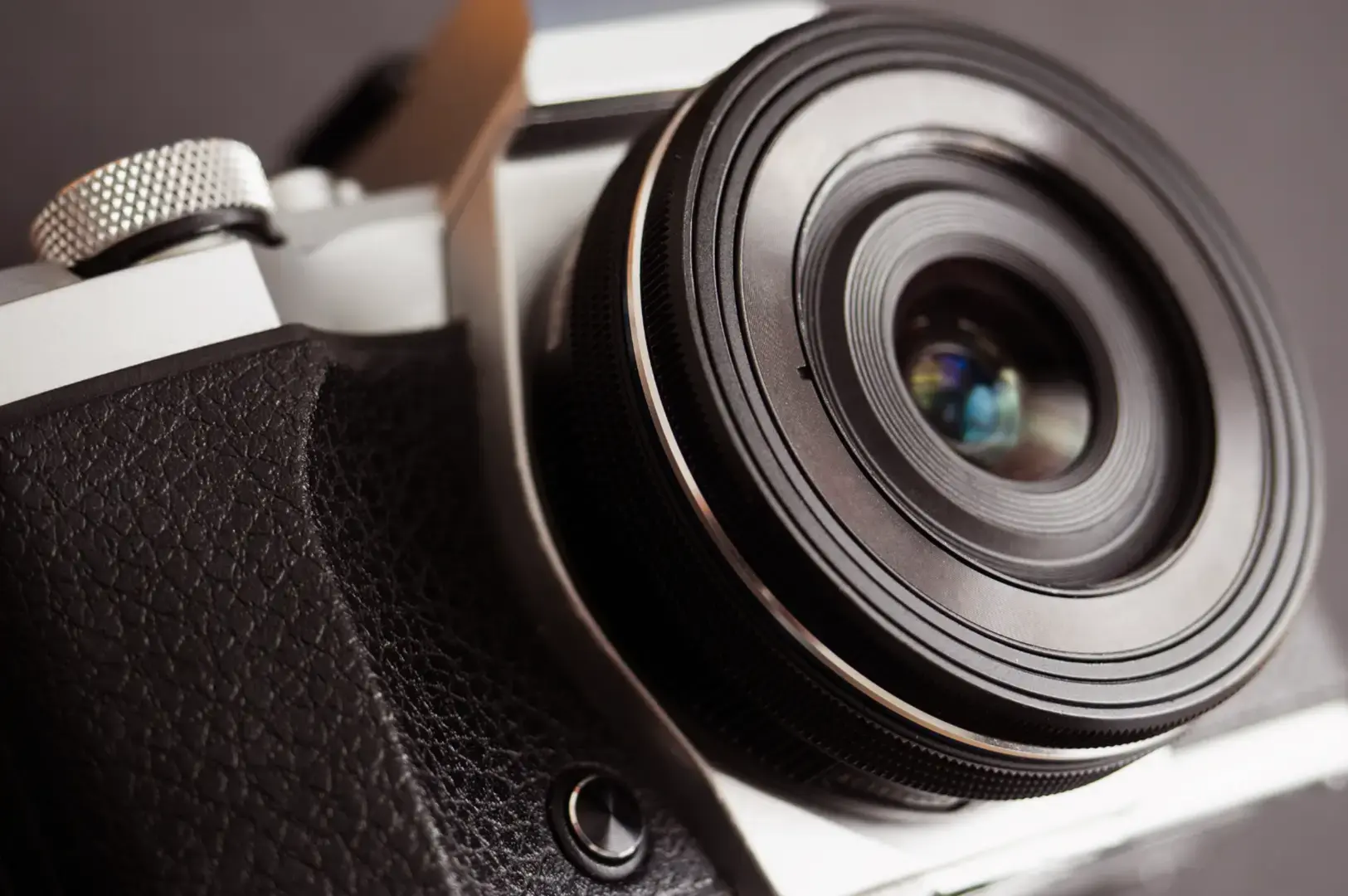
If you already own DSLR lenses, they may not be stranded. Nikon's FTZ II adapter supports many F-mount lenses, and Canon's EOS R cameras accept EF and EF-S lenses through suitable adapters. Compatibility varies by lens, adapter and body, and adapters add length and weight.
Wider mirrorless lens mounts give lens designers more freedom. They don't make every lens sharper or smaller. Native RF lenses and their Nikon or Sony counterparts can cost more than affordable DSLR glass, and fast zoom lenses get big in any system.
Modern lenses may offer improved autofocus motors, optical designs or electronic communication, but older DSLR equivalents can remain perfectly useful. Slower lenses, meaning those with smaller maximum apertures, may also be lighter and more affordable. Think about long-term costs, not just the first body.
Battery Life: How Long Will Each Camera Last?
Nikon's own figures make the gap clear. The full frame DSLR D780 carries a CIPA rating of about 2,260 shots. The mirrorless Z5II is rated at roughly 330 to 380 viewfinder shots, depending on energy-saving settings. They come from different generations, so treat this as an illustration of design, not a contest.
Real battery life shifts with video, image review and live view use. A DSLR shooting mostly in live view may lose its advantage. The longer battery life often associated with DSLRs is most relevant when photographers primarily use the optical viewfinder.
Basic DSLRs can still be attractive for travellers who value battery endurance over advanced electronic viewing features. But a mirrorless camera with spare batteries and convenient charging may be equally manageable over a long trip.
Ethan's field tip: Carry at least one compatible spare battery for a full day out. Check whether your camera supports USB charging and top up whenever you sit down to eat.
Electronic Shutter vs Mechanical Shutter
A mechanical shutter uses physical curtains. An electronic shutter reads the sensor without them, which can mean silent shooting and fast bursts.
Sequential readout has a cost: rolling-shutter distortion and banding under some lights. If stripes appear across a plate of Clarke Quay food during an evening of photography in dim riverside restaurants, don't blame the camera first. Switch to the mechanical shutter if available, check anti-flicker settings, and try 1/50 or 1/100 second in Singapore's 50Hz environment. Modern LEDs vary, so check the result.
Canon DSLRs and EOS R Mirrorless Cameras
Canon shows the shift clearly. A Canon EOS DSLR uses EF or EF-S lenses, depending on the model. An EOS R mirrorless camera uses the RF mount, which Canon specifies at a 54mm inner diameter with a 20mm flange-back distance.
For anyone holding a bag of EF lenses, the EF-EOS R adapter offers an established path forward. Not every Canon EOS camera shares one lens system, so check mounts before you buy.
This is also where comparisons between DSLR counterparts and newer mirrorless models become more meaningful. An upgrade may bring newer autofocus, video and viewing features, but replacing an entire lens collection is a separate decision.
Mirrorless vs DSLR for Singapore Travel Photography
The Meteorological Service Singapore records long-term average humidity of about 82%, with rain on around 171 days a year. Walk from an air-conditioned mall into warm air and your lens can fog. Let the camera adjust before changing lenses.
Weather sealing is not waterproofing, and a sealed body on an unsealed lens is not a sealed system. Carry a rain cover. When thunder starts, find proper shelter. If you're photographing commercially in NParks-managed parks and reserves, a permit is required. Apply at least a month ahead.
Whether you're carrying a DSLR or mirrorless digital camera, Singapore's heat, humidity and changing light deserve more attention than the camera category itself.
Which Camera Body Makes Sense
Buying fresh? Modern mirrorless cameras are often the more future-facing choice, with ongoing development, strong autofocus and video capabilities. For content creators, mirrorless cameras may offer useful features such as subject tracking, articulated displays and advanced video recording, depending on the model.
Already own a capable DSLR and lenses that suit your work? Keeping them may be the wiser call. Choose lenses for the photographs you want, then the body that supports them.
For full frame photography, compare the entire system rather than assuming a full frame mirrorless camera will be smaller than its DSLR counterpart. The right camera is the one that suits your photographs and the way you travel.
Photography publications such as Digital Camera World regularly compare DSLRs and mirrorless cameras, but no ranking can replace handling the equipment yourself. When you're ready to narrow it down, start by comparing travel camera options side by side.
Common Mistakes
Comparing body weight only. Weigh the full kit.
Trusting stabilization to freeze movement. It reduces camera shake. A walking person still needs a faster shutter speed.
Assuming silent means safe. Electronic shutters can band under LEDs.
Upgrading the body when the lens is the limit. A short zoom won't reach a distant bird on any camera.
Spending too much time navigating digital interfaces instead of learning the controls that matter. Both DSLRs and mirrorless cameras have menus and digital interfaces, and familiarity makes a difference in the field.
Mirrorless vs DSLR: The Camera You’ll Still Love by Sundown
Does mirrorless give better image quality?
Not automatically. Sensor, lens and generation matter more than the mirror.
Can I use my DSLR lenses on a mirrorless body?
Often, with the right adapter, though features like autofocus may vary.
Which is better in low light?
Neither by default. Sensor, lens aperture, stabilization and technique decide it.
Is full frame essential for travel?
No. APS-C and other formats can deliver excellent results in smaller kits.
Before You Pack for Your Next Trip
The label on the camera won't tell you much by evening.
So take what you own, or borrow what you're considering, and carry it for one full day. Note where your shoulder aches, when the battery fades, and which frames you missed. That record will answer more than any spec sheet.