
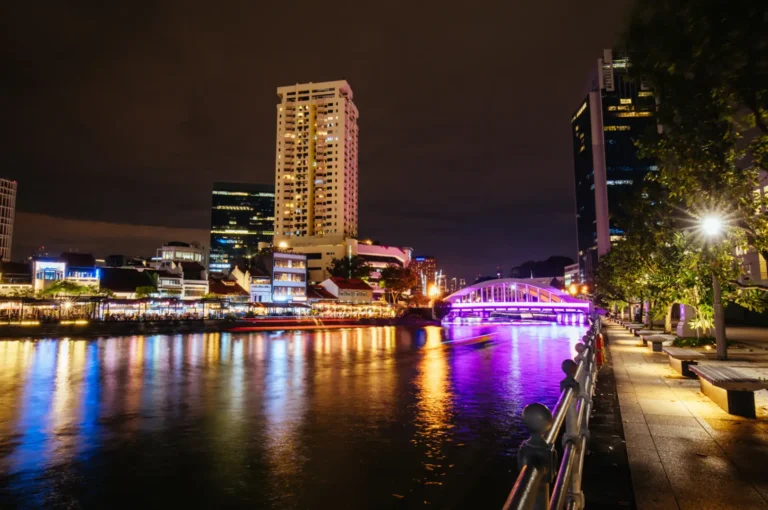
A photograph can travel further than its photographer ever intended. One afternoon, it belongs to a quiet Singapore street, a café table, or a fleeting expression caught between strangers. By evening, it might be sitting on someone else's website, cropped into a banner, stripped of its original context. The pixels remain familiar. The ownership, suddenly, feels less certain.
This is where image copyright becomes personal. At SG Nomad Photographer, I believe understanding what happens to our photographs after publication matters as much as knowing how to create them. The internet makes sharing effortless. It doesn't make every image free to use.
Image Copyright and Intellectual Property: What Actually Belongs to You?
Under Singapore's Copyright Act 2021, an original photograph generally receives copyright protection automatically when created and fixed in a material form. Copyrighting an image doesn't require filing paperwork or attaching a watermark. The law protects original artistic expression, giving the copyright owner exclusive rights over activities such as reproducing the photograph, publishing it, and communicating it to the public. These rights can be licensed or transferred, but simply uploading an image online doesn't surrender them.
There is an important distinction between protecting a photograph and protecting its subject:
Copyright law protects an original work, not the underlying ideas or creativity alone. Two photographers can photograph the same HDB block without automatically infringing each other's rights. Similarly, copyright protects words arranged into original literary expression, illustrations, photographs, and even the composition of a song, but not individual ordinary words, symbols, or general ideas.
Trademark law addresses a different concern: signs identifying goods or services. A photograph containing a company's logo or distinctive icons doesn't automatically give its creator ownership of those trademarks.
Who Is the Copyright Owner When Someone Pays for the Photograph?
Imagine a restaurant commissioning photographs of its new menu. The photographer arranges the composition, manages the lighting, and delivers the finished images. The restaurant pays the agreed fee. Who owns the copyright? Under Singapore's current rules, a commissioned photographer generally retains copyright by default, unless an applicable written agreement provides otherwise. The client may still have rights to use the photographs for the commissioned purpose. When photographs are created by an employee in the course of employment, however, the employer generally owns the copyright, subject to applicable exceptions and agreements.
This distinction becomes especially important when working as a professional photographer. I prefer treating licensing as part of the creative brief rather than something to settle after delivery. Specify whether the client can display photographs on a website, adapt them for advertising, distribute copies, or purchase exclusive usage rights. An assignment transfers copyright ownership or specified rights; a licence grants permission for defined uses. Neither should be assumed from payment alone.
Creative Commons, Free Stock Photos, and Free Images: What Does 'Free' Mean?
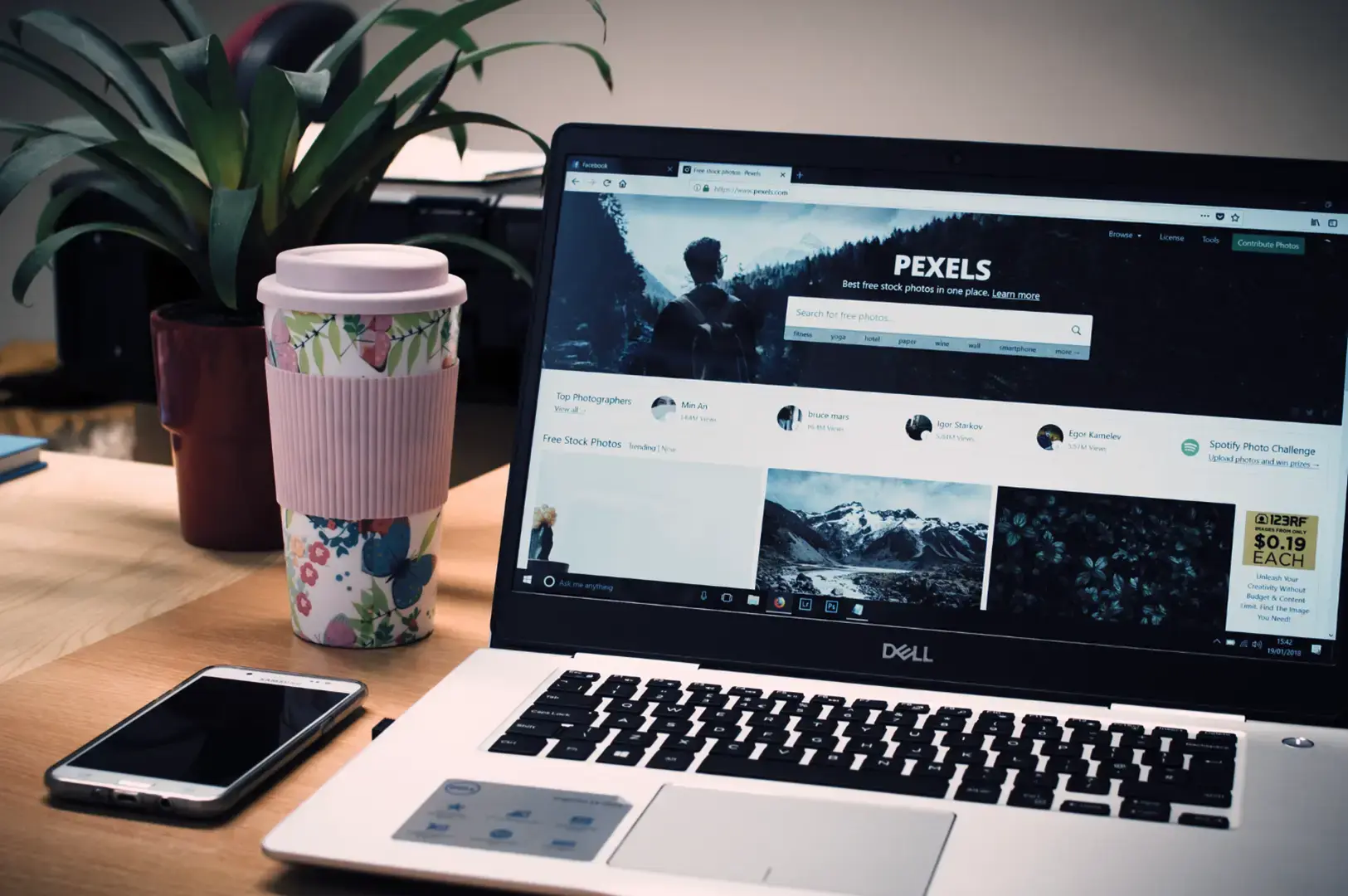
Search for "photo copyright free" or "copyright photos" and you'll discover an enormous collection of images, often presented without much explanation. Some are public domain photographs. Others are free stock photos, copyrighted images offered under particular licences, or works released through Creative Commons. A curated library might contain millions of photographs, but that doesn't mean every image carries identical permissions. Free to download and free for commercial purposes are two very different promises.
Creative Commons licences make these distinctions easier to understand.
Creative Commons Licence | What It Allows | Restrictions |
|---|---|---|
CC BY (Attribution) | Reuse, adaptations and commercial use, including creating derivative works. | Appropriate attribution is required, including indicating modifications. |
CC BY-NC (NonCommercial) | Reuse and adaptations for non-commercial purposes. | Commercial use is not permitted under this licence. Attribution is required. |
CC BY-ND (NoDerivatives) | Sharing the original image, including for commercial purposes. | Adapted material cannot be shared under this licence. Attribution is required. |
CC0 (Public Domain Dedication) | Broad reuse, editing and commercial use without copyright-related restrictions, to the extent permitted by law. | Attribution is not required under CC0, although other rights may still apply. |
My Professional Tip: Before incorporating free images into a blog, article or commercial project, examine the specific licence and its restrictions on modifications, resale and redistribution. Cropping a copyrighted image, creating derivative works or adding text doesn't magically create permission.
Copyright Protection and Copyright Registration: Keeping Your Work Traceable
Singapore has no general copyright registration system. Registering a photograph with a copyright office isn't necessary to obtain protection here, although other countries have different registration requirements. Adding a copyright notice, such as © 2026 Photographer Name, can communicate ownership, but the symbol doesn't create the underlying rights. Nor does removing a watermark make an image legally available for reuse. These are useful signals, not substitutes for the law.
For practical protection, I'd suggest keeping your original camera files, dated exports, licensing agreements, and client correspondence together. Record where photographs were first published, preserve relevant metadata, and maintain evidence of their creation. This won't prevent every unauthorised reproduction, but it gives you a clearer account of ownership if a dispute arises. A photograph's history deserves the same care as its final edit, and knowing where that evidence sits is part of the practical knowledge every photographer should develop.
When a Copyrighted Image Appears Somewhere Else
Consider a Singapore café discovering a customer's beautifully composed dessert photograph on social media. The business wants to enhance its site with the image, perhaps adapting it into a promotional graphic. Acknowledging the photographer with a link is courteous, but attribution is not the same as permission. The café should contact the copyright owner, whether through a direct message or email, and explain the intended display, modifications, duration, and commercial use. The same principle applies when a publisher reproduces photographs found through an internet search. Educational intentions don't automatically eliminate copyright restrictions, although Singapore law provides exceptions, including fair use, depending on the circumstances.
If you discover your own photograph reproduced without permission, preserve the page URL, screenshots, dates, and original files before responding. Check whether an existing licence or legal exception might authorise the use. You can then contact the publisher by mail or email, request removal, discuss a licensing fee, or explore an applicable platform complaint process. More serious copyright infringement may justify legal advice, mediation or a lawsuit, but escalation isn't always the most constructive first move. The Intellectual Property Office of Singapore provides useful resources on ownership, enforcement, and available remedies.
The Questions That Follow a Photograph Online

Can I publish street photographs taken in Singapore? Generally, original street photographs can receive copyright protection, but owning the image doesn't settle every question about publishing it. Identifiable people may raise personal-data or other legal considerations, particularly when photographs are used commercially. A photograph taken for personal enjoyment and one used in a business advertisement may involve different obligations. Singapore's Personal Data Protection Commission offers guidance on photography and consent.
Can I use an image if I credit its creator? Not unless the use is otherwise authorised, whether through permission, a valid licence or an applicable legal exception. Attribution may also be required separately. When using Creative Commons photographs, acknowledge the creator, source and licence, and indicate modifications where required.
Does buying a photograph mean I own its copyright? Not necessarily. Purchasing a print, digital file or stock image usually doesn't transfer copyright unless the agreement specifically provides for that transfer. Check whether you're purchasing ownership or simply licensing permission for particular uses.
What Remains Yours
A photograph's life rarely ends when you press the shutter. It moves between screens, publications, and people, sometimes acquiring meanings its creator never anticipated. Before publishing someone else's image, establish where it came from and what you're permitted to do with it. Before delivering your own, put the usage rights in writing.
The frame may travel. Its history should never have to disappear with it.