
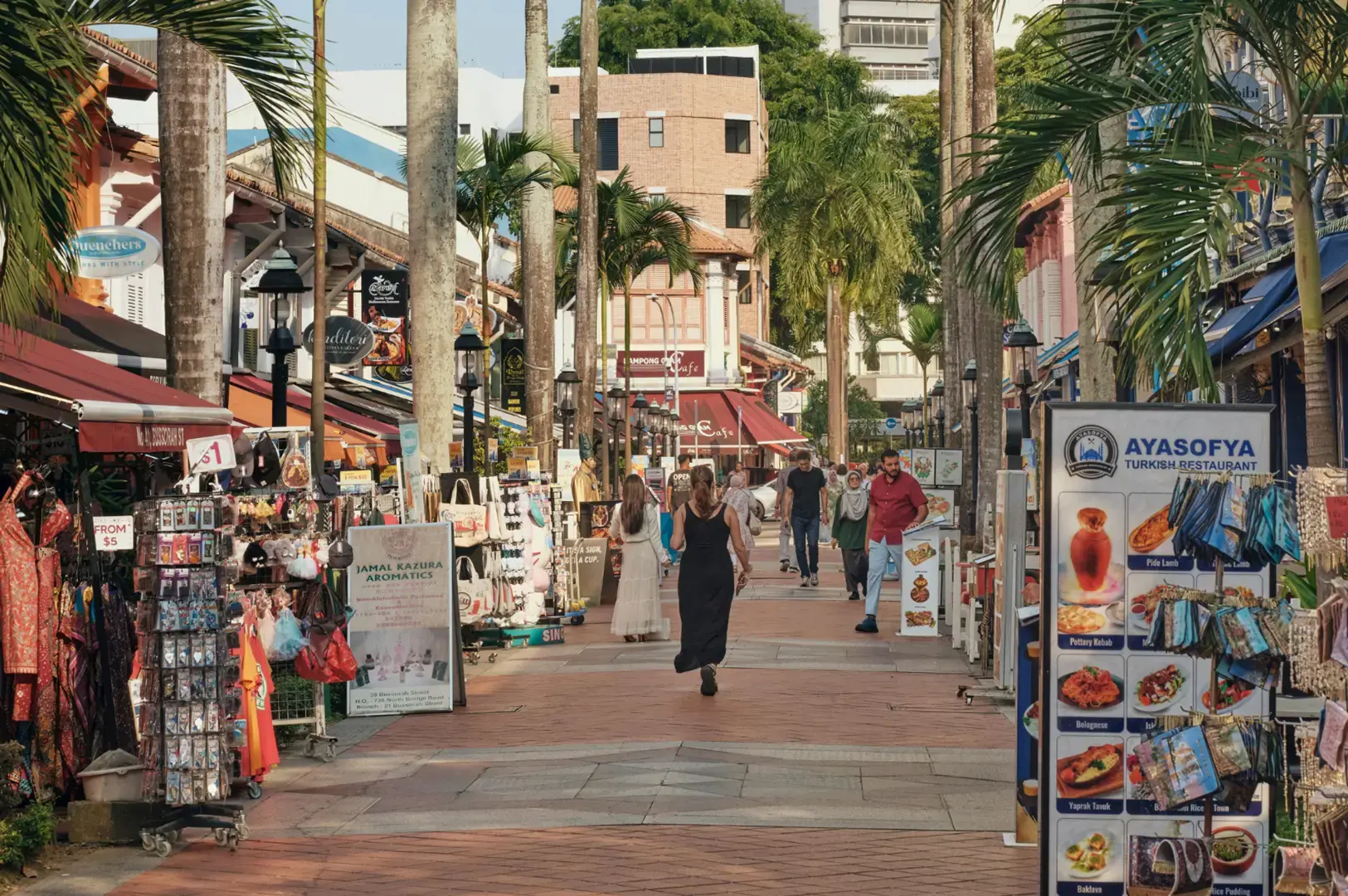
One strong photograph can hold you on its own. You stop, you look, you feel something, and that is enough.
But a photo essay asks a different question. What happens when several photographs are expected to work together, and what does a story told primarily through images rather than words look like?
A photo essay is a collection or sequence of related photographs that develops a subject, an idea, a place, a person, an activity, or an experience. It is not one picture doing all the work. It is many pictures sharing the load, each one carrying a part of the story the others cannot.
Understanding where the potency of visual storytelling lies, across photography, sequential art, and other visual forms, can make you not only a visual learner, but a more deliberate, more capable visual storyteller. That is the shift I want to help you make. Not just how to make attractive images, but how to think in sequences.
From Journalism to Content Marketing: Why Visual Storytelling & Visual Communication Works Differently From Words
It helps to separate three things.
- A single photograph communicates its own subject, mood, or moment. It stands alone.
- A related collection is several photographs that share a subject. A folder of coffee shop pictures, say, all from the same morning. They belong together, but more content sitting side by side does not automatically make a good story.
- A photo essay is an edited set where the relationships, selection, and sequence express ideas and contribute to what the viewer understands. Proximity alone does not create a visual narrative. Photographs need real connections in subject, context, action, idea, mood, time, or progression.
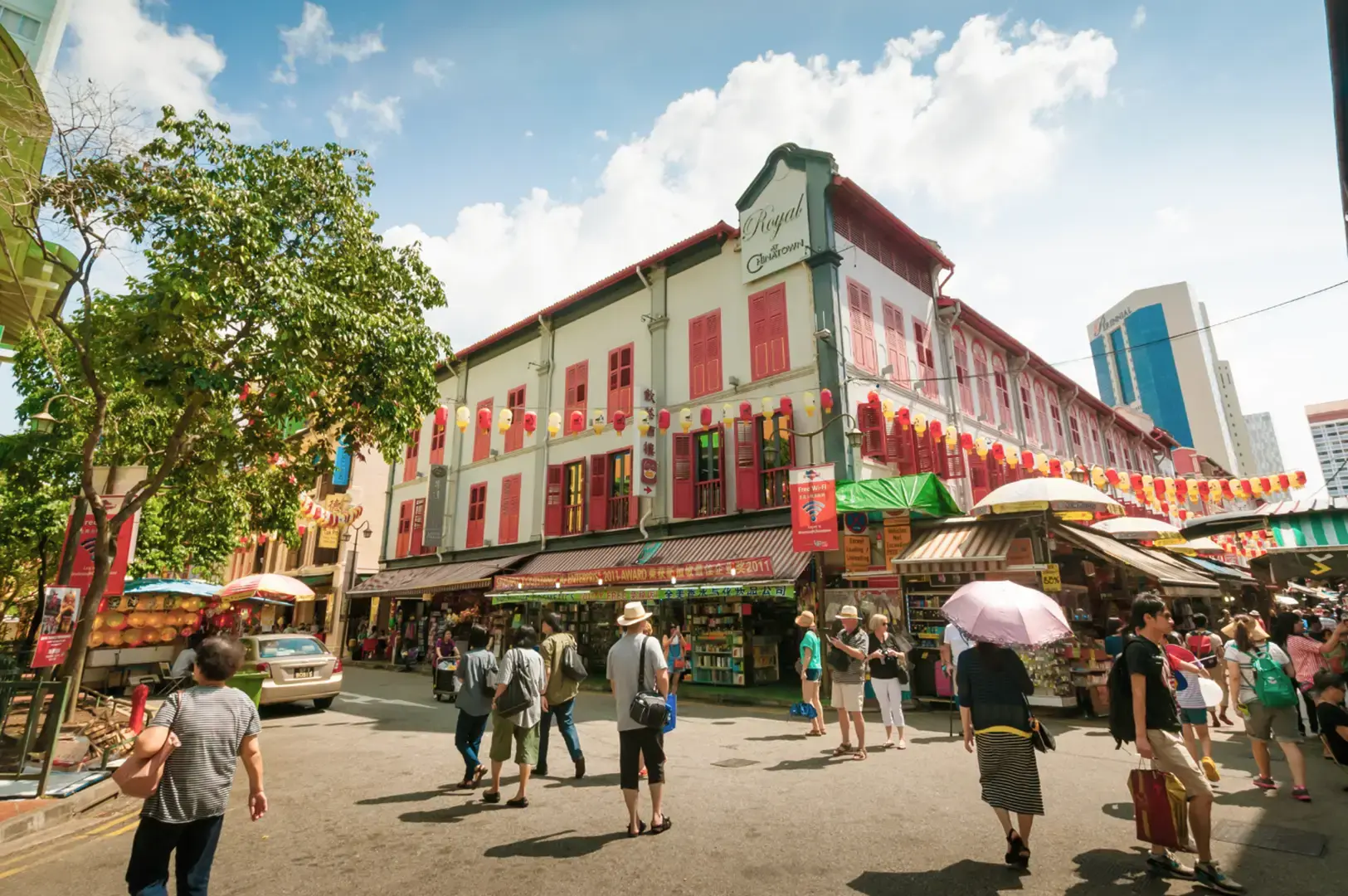
Oral storytelling and the written word can explain things a photograph cannot. Photographs can convey things written language struggles to reach: the specific quality of morning light on an old tiled floor, a face in an unguarded moment, the weight of a crowded street before the rain. A photo essay uses these visual elements together, building a world and a message that live in the space between frames rather than inside any single one.
[IMAGE PLACEHOLDER: A three-image photographic sequence from the same urban environment: first a wide street scene establishing the setting, then a medium-distance photograph of a person engaged in an everyday activity, then a close detail connected to that activity. The sequence should show how different viewpoints add different information rather than repeating the same composition.]
Visual storytelling is also older than photography. The Metropolitan Museum of Art documents Japanese illustrated handscrolls, or emaki, as narrative formats viewed progressively, the story unfolding scene by scene as the viewer moves through them. Chinese narrative painting used long handscrolls to move viewers through time and space. Human beings have used sequential visual formats through history, such as cave drawings, to represent ideas and convey stories long before the camera existed. Photography inherited that creative instinct and extended it.
What makes visual storytelling important today is partly how much imagery surrounds us. In multiple industries, from journalism to documentary work to content marketing, stories told through visual media are used to communicate ideas at scale. But in photography, the discipline remains the same: select carefully, sequence intentionally, and let the photographs do the explaining.
The Key Elements of a Visual Narrative and How They Build a Visual Structure
The International Center of Photography teaches picture stories through several possible photographic functions. Think of these as roles a photograph can play, not a shopping list you must complete in order.
Photographic Function | Description | Role in Photo Essay |
|---|---|---|
Context or Establishing Photo | Sets the scene. It tells you where you are, what time it is, and what kind of place this is. | Foundation of the visual design’s structure. |
Action Photograph | Shows someone doing something. Introduces movement, change, and human life into the sequence. | Adds dynamism and life to the story. |
Sequence or Before-and-After | Describes a situation across different moments. Shows process, transformation, or the passage of time. | Conveys progression and narrative flow. |
Close-up Expression or Tight Frame | Carries emotion that a wide shot cannot reach. Creates a human point of connection and a sense that real life is present inside the frame. | Focuses on emotional depth and personal connection. |
Then there are detail shots and symbolic shots. Details reveal what a wide frame misses: the hand gripping a tool, the worn edge of a counter, the single object that explains the whole situation. Symbolic images suggest themes but stay more open to interpretation, which can be useful and occasionally a dangerous path if the image becomes too ambiguous to anchor the story.
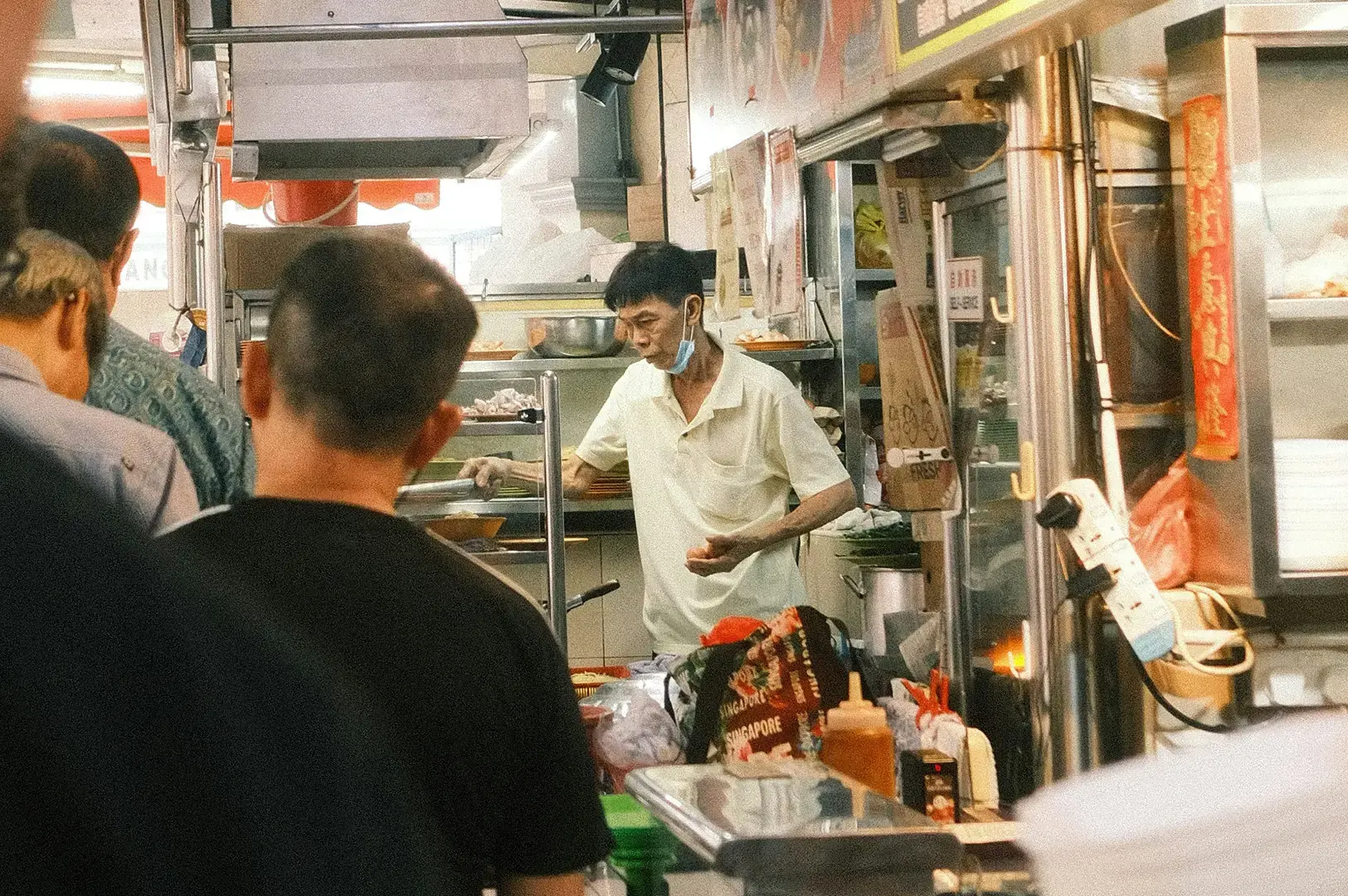
Remember: You are not just collecting strong individual frames. You are collecting the roles each frame will play, and that is a different way of seeing. I have found that when photographing ordinary Singapore scenes, the instinct to watch before interrupting matters more than most camera decisions. The man reading his newspaper over kopi, the hawker wiping down after the lunch rush, the friends mid-sentence: the story is usually already happening. The important element is being present enough to see.
[IMAGE PLACEHOLDER: A close environmental portrait of a person engaged in an everyday urban activity, with enough surrounding detail to show the location and the work rather than isolating the face completely.]
Sequencing, Narrative Structure, and the Art of Selecting What Stays in Visual Stories
Here is a principle worth sitting with. Changing the order of your photographs changes how the story is understood.
The frame you place first sets the reader’s expectations. The information you hold back becomes a small reveal. A detail that felt ordinary early in the sequence can gain real weight later. Repetition can quietly link images across the essay. Contrast can shift mood or direction. And a final photograph can close a sequence without needing to solve everything.
This is what narrative structure actually means in photography: not a formula, but a deliberate set of decisions about what comes first, what gets delayed, and what the viewer carries away. Some photo essays follow chronological progression. Others work thematically, or observationally, or in a more non-linear way, where the connections are ideas rather than time. The visual structure you choose should serve the subject, not the other way around.
[IMAGE PLACEHOLDER: Six small photographs laid out like a contact sheet, showing an establishing frame, action, portrait, detail, transition, and a quieter closing image. Two frames should be shown in alternate positions to illustrate how reordering changes narrative flow.]
When editing, try this approach:
- Put your candidate photographs together in one place.
- Remove frames that do essentially the same job.
- Try several different orders.
- For each photograph, ask what information it adds that no other frame provides.
- Remove one image and see whether the story gets clearer or weaker.
- Check whether your opening gives enough context.
- Check whether your ending feels chosen, not just the last frame you happened to take.
More photographs do not make more story. Selection does.
A photograph you love can still be the one that weakens the sequence, and leaving it out is often the harder, better choice.
There is no correct number of images. It will vary depending on the subject, the publishing format, the audience, and how much visual information the story genuinely needs.
Storytelling Techniques: How to Shoot for a Story, Not Just a Frame
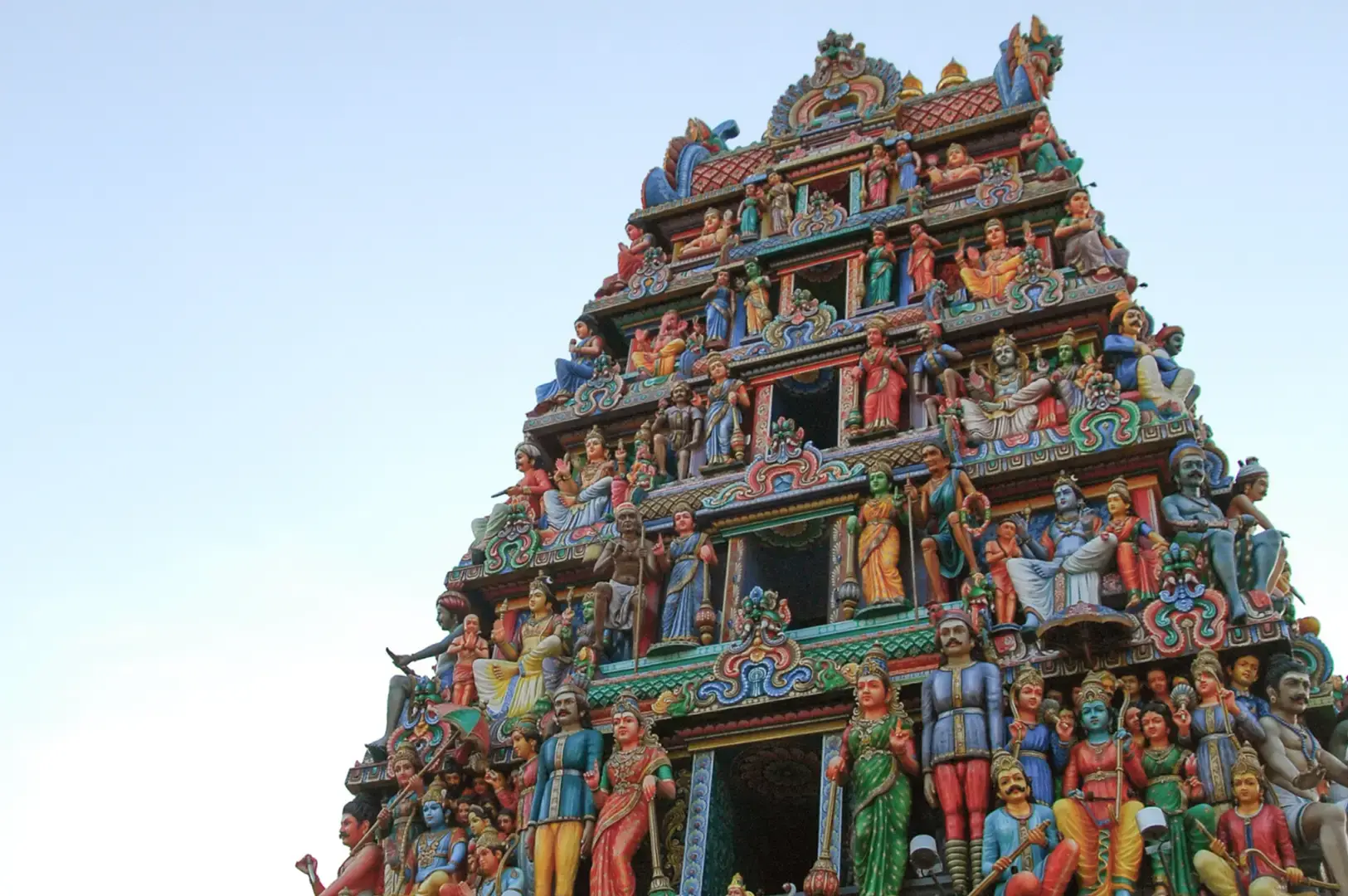
The mistake I see most often is chasing only powerful photos. One striking frame, then another, with no thread between them. Shoot for coverage and relationships instead.
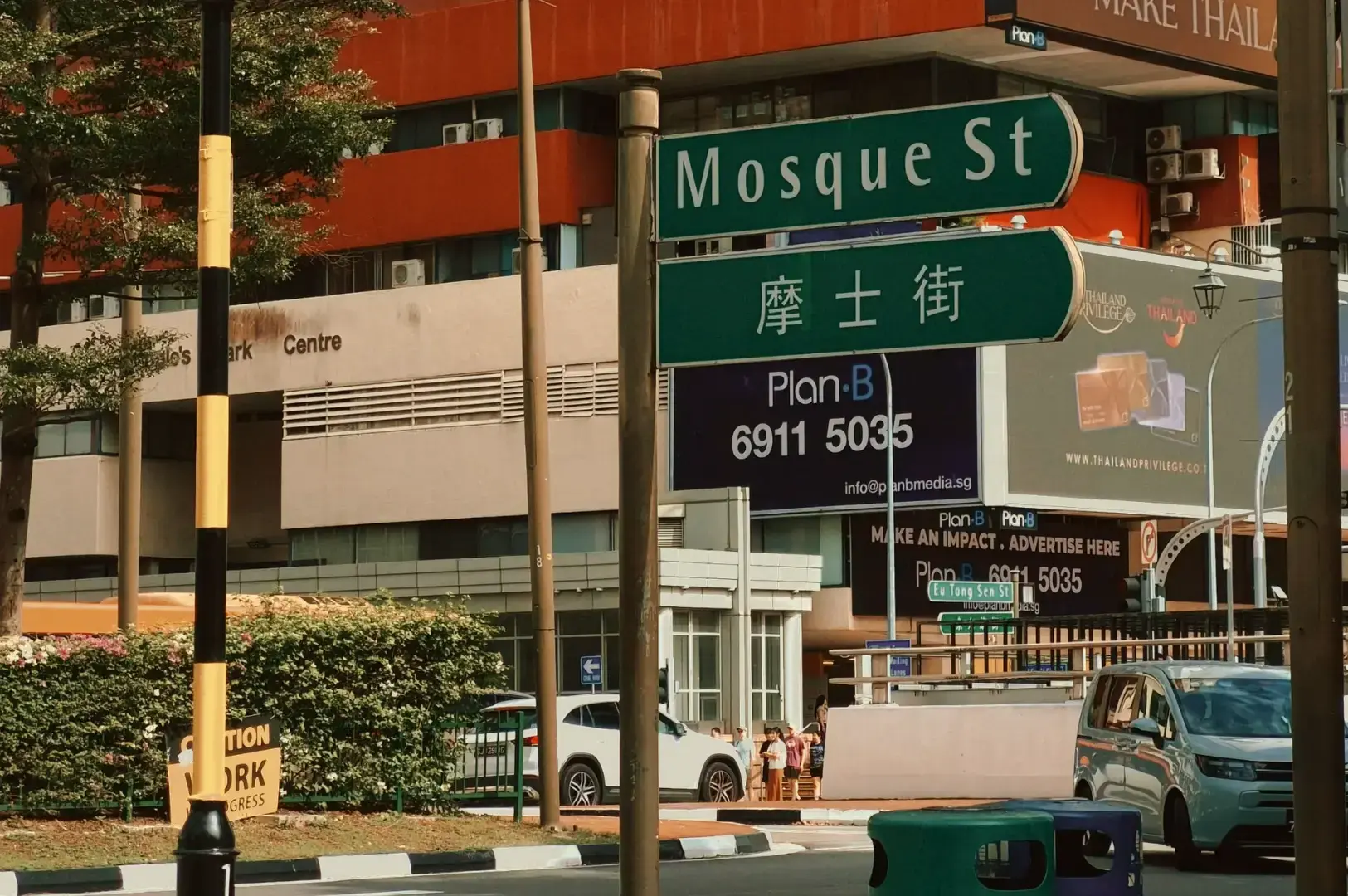
This is exactly where urban photography and street captures earn their place. The goal is not to stage great examples of café photography but to document the life of the place as it actually moves. When you are out shooting, the question to hold in mind is, “What does this photograph give the story that nothing else does?”
[IMAGE PLACEHOLDER: Two photographs of the same urban location made at different times, one in low-angle late-day light and one after ambient light has fallen, showing how changing light can mark the progression of time within a visual narrative.]
Light is a storytelling tool here too, not just a technical condition. Golden hour gives you warm, low-angle light that can change how a familiar street reads. Low light reveals a different side of an urban environment, quieter, moodier, more intimate, and can mark the transition from one part of a story to another. Changing light across a day can become the spine of a whole essay, showing the same place used and inhabited differently as the hours move.
Technical choices vary with your camera, the available light, the movement in front of you, and what you want the image to do. There is no single setting to memorize. There is only the question of what you are trying to say, and whether your camera settings are helping you say it.
A Working Photo Essay Workflow
- Define the subject or question.
- Decide what your target audience needs to understand.
- Observe before you photograph.
- Gather context, action, people, and details as appropriate.
- Look for change, repetition, and transition.
- Make edits.
- Review whether the series communicates without you needing to explain it.
This is one approach, not the only one. A project built around visual contrasts in secret places in Singapore, old against new in single frames, might lean far more on theme than on chronology. A documentary essay on vanishing trades in Singapore might follow a craftsperson through a working day and let time give the structure. The workflow adapts. The core questions do not.
Final Take: Make Photographs That Work Together
Stop asking only, “Is this a strong photograph?”
Start also asking, “What does this photograph contribute to the ones around it?”
That single question moves you from collecting images to building a story. Observe first. Select with honesty. Sequence with intention. The photographs that survive that process are the ones that actually say something together.