
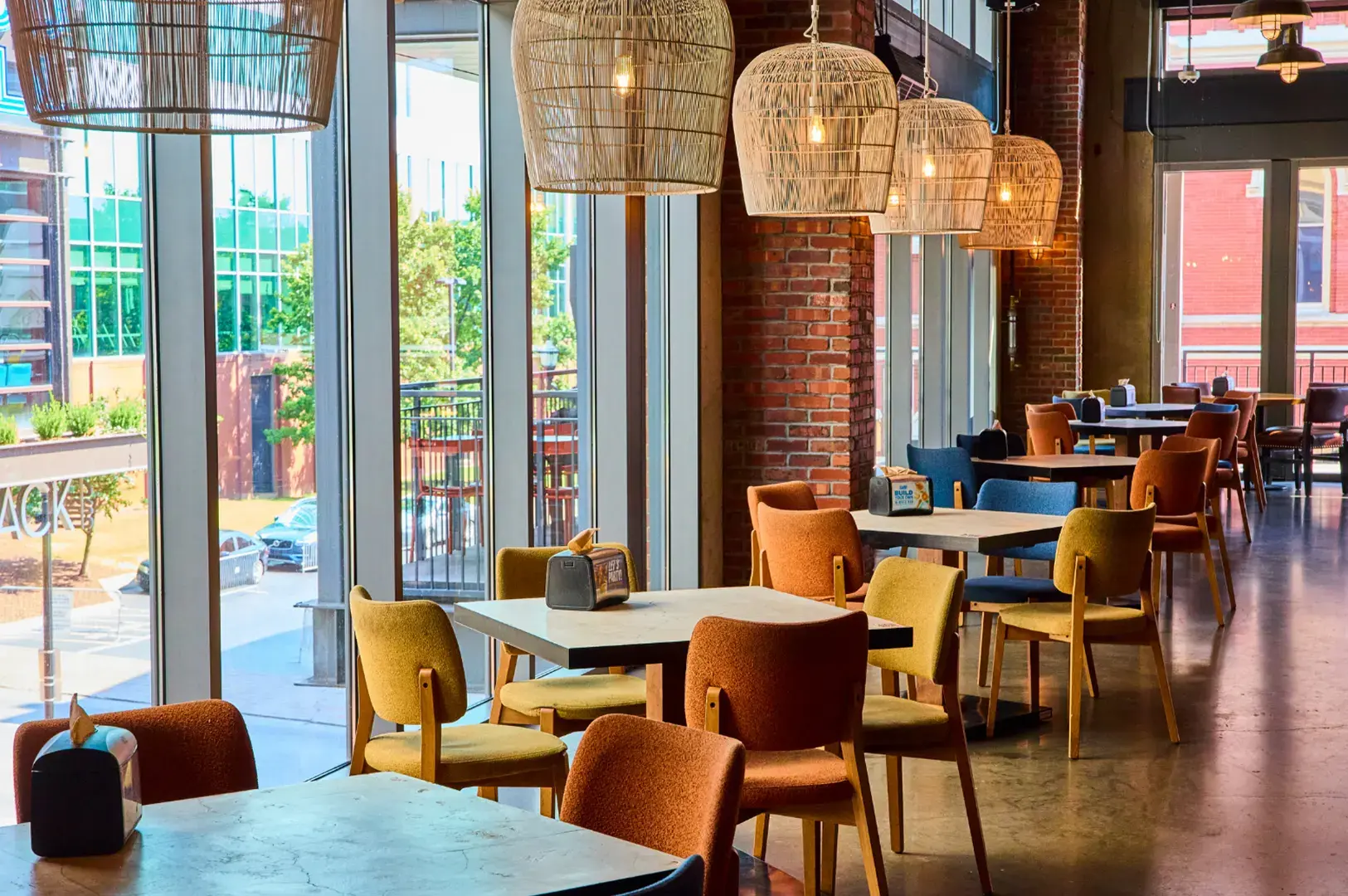
The first time I understood this, I was sitting in a heritage shophouse café in Tiong Bahru. It was an ordinary morning. Natural light came in sideways through the tall windows and settled on old wooden furniture and a worn wooden table. I ordered a latte, lifted my camera out of habit, and started shooting.
The photos had no soul.
I changed angles seven, maybe eight times. I fiddled with the aperture. The frame stayed flat. Lifeless. So I put the camera down and just sat there. About ten minutes later, an old man took the table beside me and unfolded a newspaper. Steam rose slowly from his cold brew coffee, right into that beam of light on the wood. I almost held my breath as I pressed the shutter.
I still keep that photo.
That was when it sank in: an instagram worthy cafe is rarely about the coffee. It’s about light. About space. About how cafe design quietly holds an ordinary moment in place.
What Actually Makes the Best Cafes Photogenic
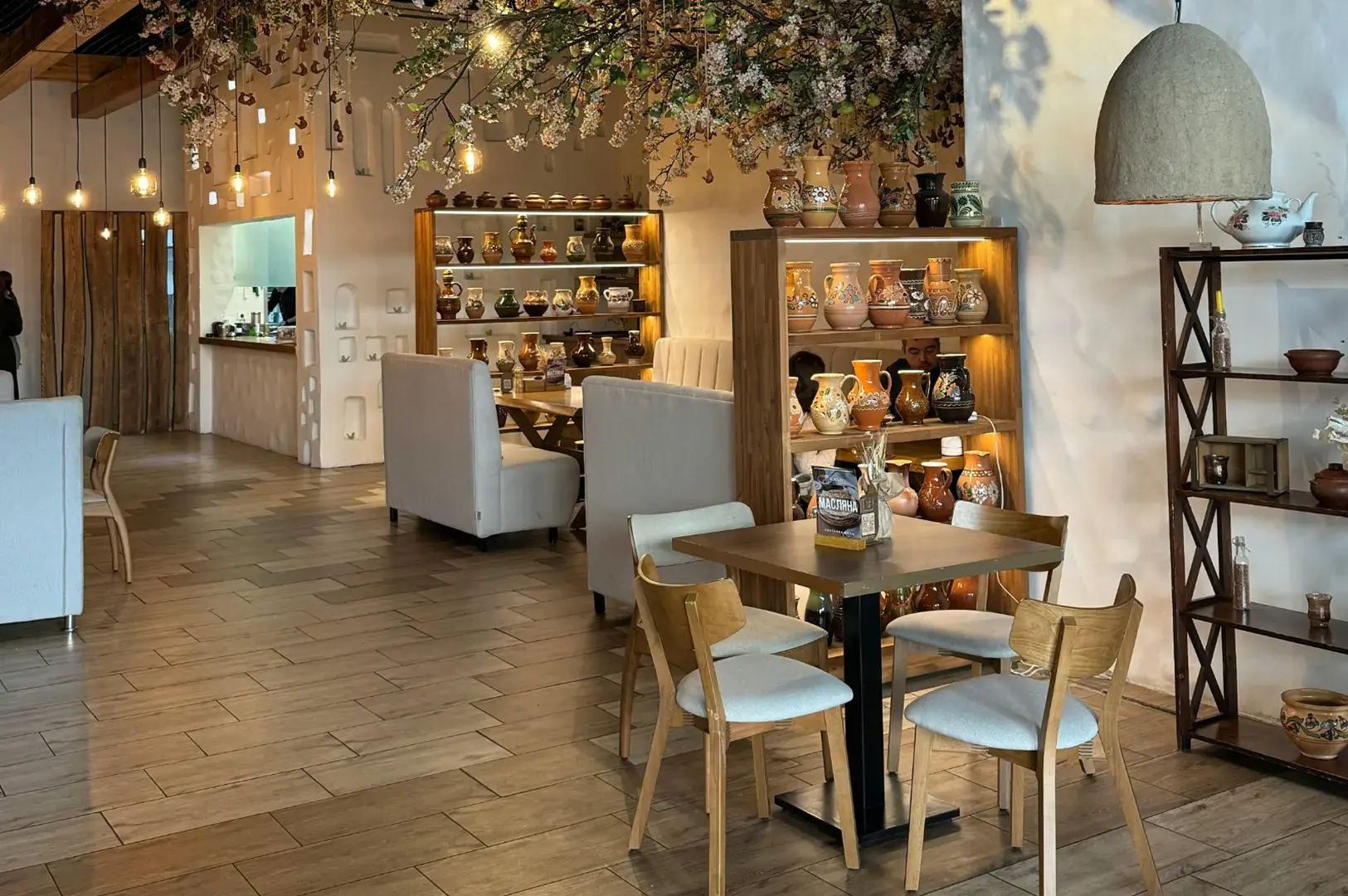
We get this wrong all the time. We assume “photogenic” means beautiful furniture, expensive décor, or a big following online. I fell into that trap early. I chased the popular spots and came home with photos that all looked the same. Pretty, but empty. What I’ve found is that photographers care about quieter things.
1. The quality of natural light
This is the foundation of everything.
Cafe design is really just a decision about how light moves — how it falls, how the walls absorb it, how it rests on marble tables or wooden elements. A beautifully plated matcha ice cream, pasta dishes, or specialty drink in bad light photographs worse than a plain cup in a space that understands light.
I prefer soft, diffused light. Side lighting especially. It brings out texture, depth, and mood. Light hitting your subject head-on flattens everything.
2. Depth in the space
A strong photo usually has three layers: foreground, subject, background. When everything sits on one flat plane, the frame feels stuffed. I look for spaces that breathe — three outlets, tables set apart, and a beautifully presented room for your eye to travel further in.
3. Colour harmony
The most beautiful cafes, for me, keep a restrained palette. Cream walls. Warm wood. Muted ceramics. A few green plants, or autumn leaves, a whole botanic gardens, and a small lush greenery. Those colours already agree with each other. You barely have to do anything and the frame feels balanced.
3. Texture and negative space
The grain of old wood. Worn vintage tiles. Rough concrete. These honest textures hold your gaze longer than any polished surface.
And negative space — the empty parts, where nothing happens — is exactly what lets a photo breathe.
Pro tip
Don’t try to fill every corner. I’ve found that one table, one beam of natural light, one quiet nook carries more weight than the whole busy room. Quality beats quantity, every time.
The Cafe Nomad Process
Step 1: Do your homework before you go
Before I visit, I check a few things:
- Interior style and cafe design
- Where the windows sit for natural light
- The seating layout with wooden furniture or marble tables
- Peak hours
- Whether it takes reservations
Step 2: Pick the right time
This is where I’ve made the most mistakes.
Best: Weekdays, 9:00–11:00 AM. Just a sweet note, during this time, the light is soft, the crowd is thin, the tables are clean, and the mood is relaxed. You don’t have to fight for angles or worry about disturbing anyone.
Also good: 3:00–5:00 PM, depending on which way the windows face.
Avoid: Weekend brunch.
Crowds, long queues, difficult compositions, constant interruptions. I once rushed to a café on Craig Road on a Sunday and stood waiting forty minutes. I didn’t come away with a single frame I liked.
Step 3: Observe before you shoot
This is the most important thing I can tell a beginner.
Sit down. Don’t reach for the camera yet. Spend five to ten minutes just watching:
- Which direction the light moves
- How people move through the room
- Where the reflections are
- What’s cluttering the background
Step 4: Work with the light that’s already there
Singapore cafés are built around ambient and natural light. So skip the flash.
Flash kills the atmosphere, disturbs the people around you, and throws harsh reflections across glossy surfaces. It fights the room instead of joining it.
If you’re wondering why some of your favourite café photographs still look beautiful despite visible grain, it’s often because photographers choose to preserve the atmosphere rather than eliminate noise. In Understanding Film Grain: When Noise Improves Restaurant Photography, I explore how imperfections can strengthen the mood of an image.
A Word on Gear (Keep It Simple)
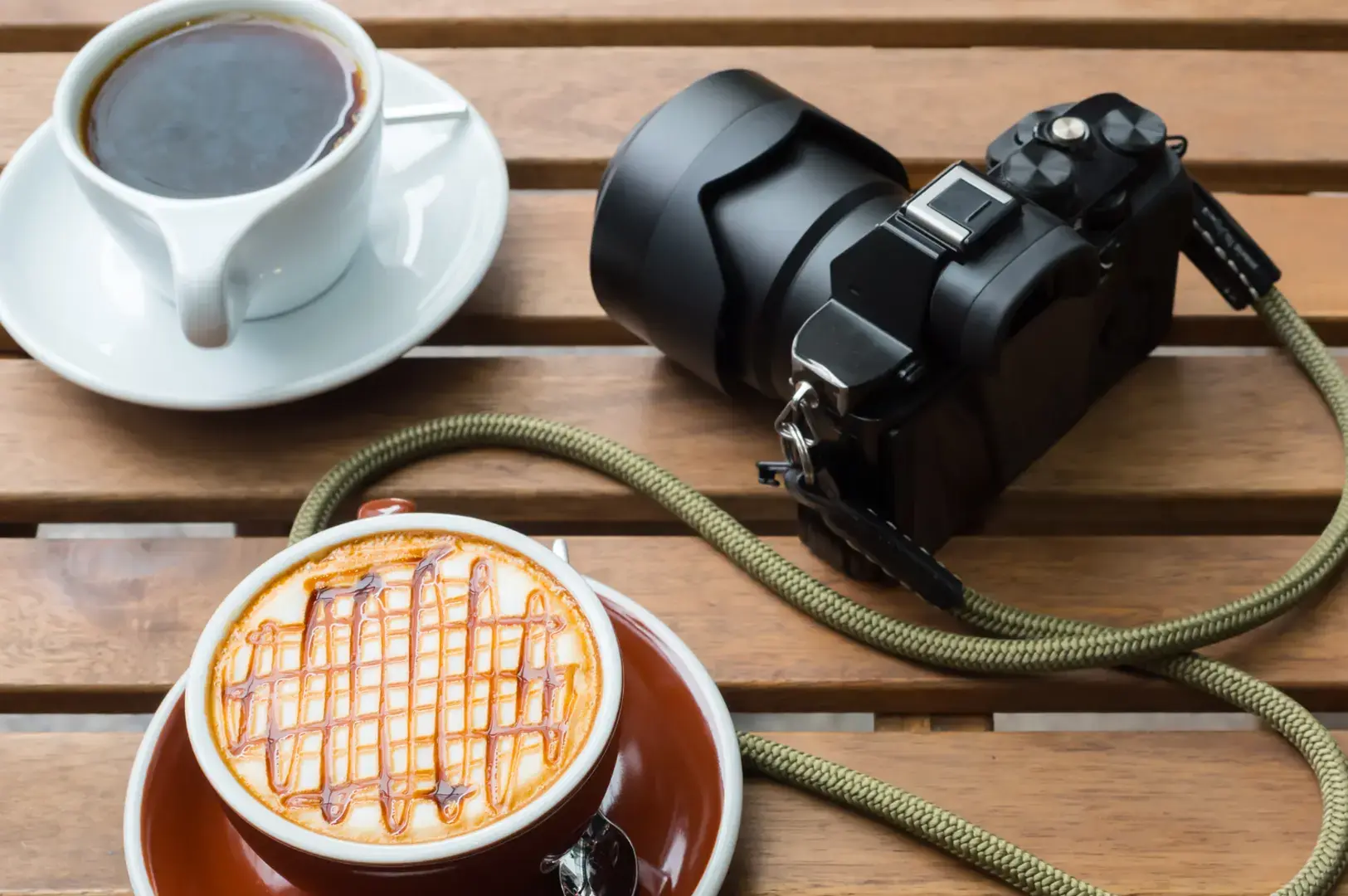
You don’t need a bag full of equipment.
I usually bring one body, one lens. A 35mm or a 50mm as a great alternative. Those two focal lengths sit closest to how the eye actually sees — natural, honest, unexaggerated.
Optional extras: a small notebook, a lens cloth, a spare battery.
Leave behind: tripods, large lighting rigs, reflectors — unless you’ve been given permission. Honestly, a phone is more than enough. A well-designed space does most of the work for you.
Let’s Talk Honestly About Money
I want to be straight with you. Walking into a café to shoot doesn’t make it your free studio. Here’s roughly what you’ll spend:
- Specialty coffee: SGD $5–8 (try the iced matcha latte or cold brew)
- Pastries and plated desserts: SGD $4–9
- Brunch or lunch from the food menu: SGD $18–35 (think eggs benedict, creamy eggs, or french toast with maple glazed bacon and maple syrup)
- A full café visit: about SGD $25–45 per person
Common Mistakes to Avoid
- Assuming bigger windows are always better. Not true. Large west-facing windows in the afternoon give you harsh highlights, deep shadows, and uneven exposure. Diffused light is almost always kinder.
- Trying to photograph every corner. I used to document every table. Now I pick one or two considered angles and let the rest go. Restraint is a skill.
- Believing an empty café makes the best photo. It doesn’t. A little human presence often feels more honest — someone reading, a barista pouring espresso, steam lifting off a cup, a laptop beside a pastry. These add a story.
- Firing off shots the moment you sit down. The image usually comes after the waiting, not before.
- Photographing strangers up close without asking. Café culture here values quiet — conversation, remote work, reading, sandwiches, coffee. Respect people’s space. If you want someone in the frame, ask first.
Pro tip
If a café has only overhead spotlights, mirrored walls everywhere, dominant neon, or cramped seating with busy backgrounds, I usually walk on. Those spaces fight you. The ones worth staying in tend to have large north-facing windows, natural materials, warm indirect light, and a bit of architectural character.
Singapore Neighbourhoods Worth Walking Slowly Through: Tanjong Pagar Coffee Shops, Merci Marcel, Apartment Coffee
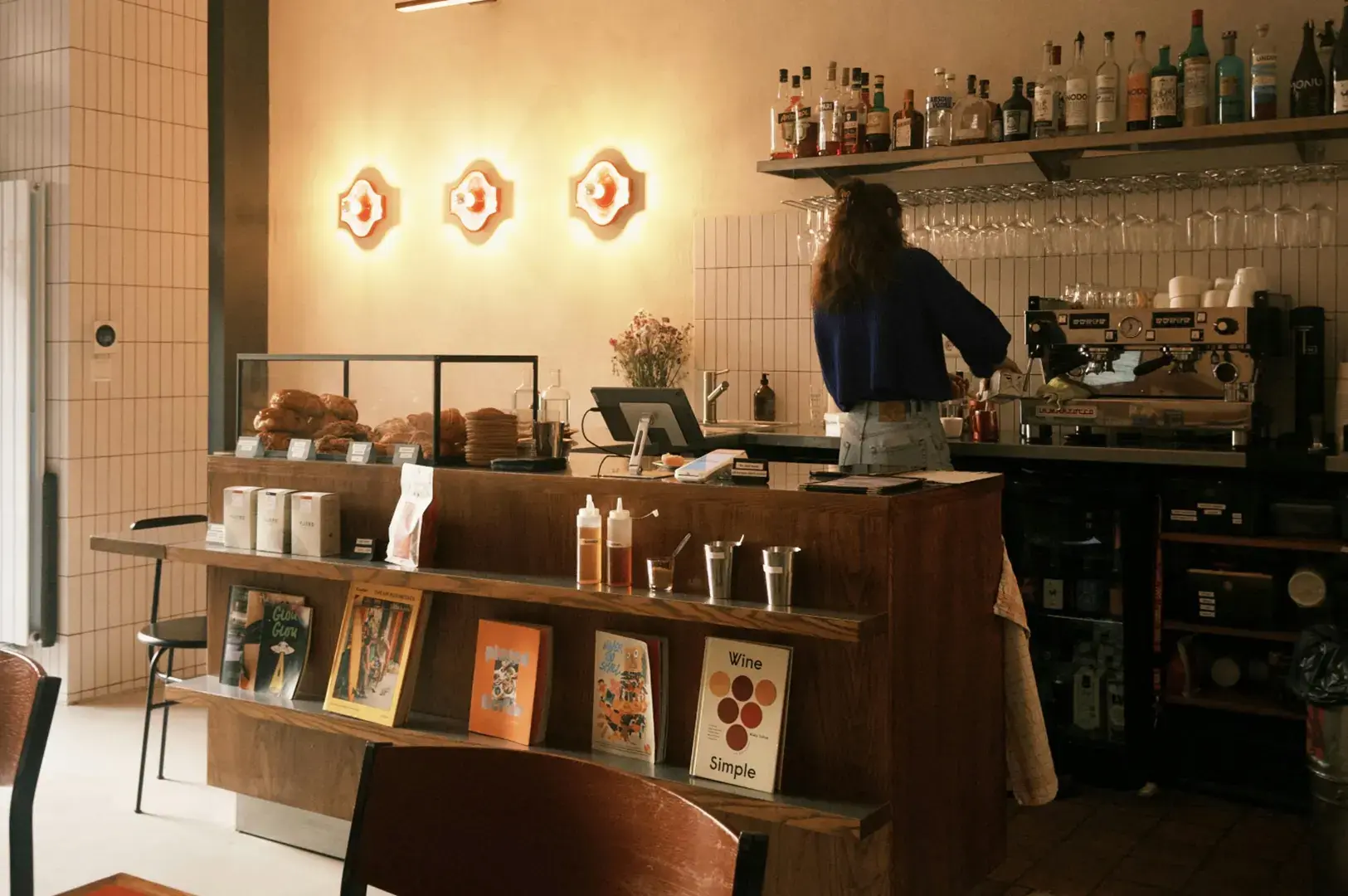
Rather than chasing whatever’s trending, I go to areas with real architectural character and cafes that truly understand cafe design.
- Tiong Bahru — Art Deco shophouses, soft daylight, that quiet heritage feeling. This is always my starting point.
- Everton Park — A calm little specialty coffee pocket with intimate interiors.
- Joo Chiat & Katong — Colourful Peranakan façades and textured streetscapes along East Coast Road.
- Keong Saik Road — Restored shophouses, layered light, refined café design.
- New Bahru — Old buildings given new life. Minimalist, design-forward coffee spaces.
- Duxton Hill — Narrow lanes, small boutique cafés, and evening light that’s genuinely beautiful.
- Chinatown and Kampong Glam — Old architecture sitting right beside modern cafés. The contrast makes for strong frames.
- Orchard Road and Ion Orchard — Chic cafes with marble tables and beautiful places to dine.
- Marina Bay Sands — The ground floor cafes here offer a stunning backdrop for your instagram feed.
A note on our climate: Singapore’s tropical sun shifts fast and midday light is intense. I lean toward mornings, late afternoons, and overcast days. And you’ll notice how our cafés borrow from all over — Japanese minimalism, Scandinavian interiors, industrial concrete, Peranakan heritage, biophilic greenery. Each style changes the colour, the contrast, the mood. Learn to read that, and you’ll know what a space wants from you.
A Few Questions People Ask Me About Cafes in Singapore
Does cafe design actually make photos look better?
Yes. Design decides how light behaves, how the background separates from your subject, and how the eye travels through the frame. A plain cup in a thoughtful space beats a stunning latte in bad light.
Do I need to shoot in an expensive café?
No. Some of the best cafes in Singapore are modest neighbourhood coffee shops — interesting window light, aged wooden furniture, old tiles, honest textures. Photography values atmosphere far more than luxury.
What if I feel awkward with a camera?
Almost everyone does at first. Good etiquette solves most of it. Order something, keep your movements small, don’t block walkways, don’t move furniture around, and never crowd another customer’s table. When you’re respectful, people barely notice you.
I’m in a crowded café and can’t get a clean shot. What do I do?
Stop trying to capture the whole room. Focus on one table. One interaction. One beam of light. Smaller stories almost always make stronger images.
Before You Go to a New Cafe
Here’s the thing I keep coming back to.
Great café photography is rarely about the good coffee, scrambled eggs, or a mont blanc. The drink just anchors the scene. The photo works because the light, the design, the people, and the rhythm of the room all quietly agree with one another.
So slow down. Do a little homework. Go on a weekday morning. Sit for ten minutes before you lift the camera. Order a specialty drink like an iced matcha latte or a pour over from Apartment Coffee or Atlas Coffeehouse, and actually drink it.
The best café photographs begin long before the shutter — they begin the moment you start paying attention to how a space was meant to be felt.
Go find your beam of light on an old wooden table or a marble table. It’s waiting for you somewhere in this city, maybe at Merci Marcel, French Fold at Palais Renaissance, or Chye Seng Huat Hardware.
It’s waiting for you somewhere in the ultimate list of beautiful cafes in Singapore.